One Triton Square joins London’s best-connected buildings with Vorboss 100Gbps connectivity through British Land partnership

In our building better series, we sit down with some of our team members to reveal how we've built a very different type of commercial internet company.
Our Head of Partnerships, Michelle Andrew, listens to our customers problems and pain points to ultimately offer them solutions. Vorboss approaches this very differently from traditional telecoms companies, and this also extends to who and how we hire.
Building better: introducing Michelle
Michelle tells us why she's throwing away the mould when it comes to recruiting for her team, what she looks for when hiring, and her vision for her teams as we grow.
'From the product we're developing to the network we're developing, we're approaching business needs from a multitude of backgrounds and experiences.'
Looking ahead
We want Vorboss to be the best job our employees ever have. We talk to leaders in the organisation to ensure that topics including diversity, equality, and inclusion, development and training, and company values always remain at the top of the agenda as we scale.
Sound like a company you might like to join? We're hiring!
In our building better series, we sit down with some of our team members to reveal how we've built a very different type of commercial internet company.
Our CEO, Tim Creswick, is committed to making Vorboss a fantastic place to work so employees have an experience they are proud of.
The Vorboss Commitments
As a telecoms disruptor, we need the best talent, a dedicated team, and people who really care about what we're trying to achieve here at Vorboss. Tim continues the series by discussing the two commitments we make to everyone who works at Vorboss, and why they are so important to our success.
Looking ahead
We want Vorboss to be the best job our employees ever have. We talk to leaders in the organisation to ensure that topics including diversity, equality, and inclusion, development and training, and company values always remain at the top of the agenda as we scale.
Sound like a company you might like to join? We're hiring!
In our building better series, we sit down with some of our team members to reveal how we've built a very different type of commercial internet company.
Our CEO, Tim Creswick, is committed to maintaining company culture as we scale.
Maintaining company culture
220 was an important employee milestone for us. Learn why it matters in terms of our employees' experience at Vorboss.
Looking ahead
We want Vorboss to be the best job our employees ever have. We talk to leaders in the organisation to ensure that topics including diversity, equality, and inclusion, development and training, and company values always remain at the top of the agenda as we scale.
Sound like a company you might like to join? We're hiring!
Meet Millie, our wonderful People & Culture Assistant. Millie works alongside the People & Culture team to ensure our workforce are successfully onboarded and setup for success here at Vorboss. Millie joined Vorboss late in 2020 and we've seen her go from strength to strength!
Millie leads all our induction days, which keeps her pretty busy as we've hired and on-boarded over 200 people in 2021! Millie's friendly nature and understanding manner puts our new starters at ease, whilst ensuring everyone understands our company policies and procedures so they can hit the ground running from day one. Millie also leads our benefits program, meaning she's our go-to for any questions about the perks that come with working at Vorboss, these include Vitality Health, access to free therapy, financial well-being advice and much more.
We make two commitments to our staff when they join our team; firstly, that we'll work to make Vorboss the best job you'll ever have, and secondly, that we'll never lose track of our staff as individuals. Millie's work is so important for us delivering on those promises and we'd be lost without her!
Millie's favourite thing about working at Vorboss is seeing people settle into their new roles. Seeing the skills, talent and personality that they bring to their teams, the awesome things they can achieve once they’re here and how that all relates back to the business plan.
Below she gives us a small insight into what our onboarding process is like, why we know it's important to look beyond a CV and what her team look for when hiring for new roles.
Vorboss is a fast moving, dynamic organisation building a high-capacity enterprise fibre network across the UK. We are doing things differently by challenging the status quo and we are proud of that. Our mission is to build better connection, and our customers’ needs are at the core of everything we do.
To best serve our customers we never accept the default. We always ask questions, and we take pride in our small, everyday innovations that translate into very real differences and changes for our customers and employees.
If Vorboss sounds like a place you'd like to work, check out our vacancies section for available roles and details on applying.

At Vorboss developing people is built into our DNA. Since our inception 15 years ago we've always prioritised training our teams, and we've never been afraid of hiring junior people and training them up. At the start of 2021 we launched The Vorboss Training Academy, a four week intensive program that takes people with no previous experience and teaches them everything they need to know to graduate as a Vorboss Installation Technician.
We work with The ITP to recruit apprentices and trainees to join the academy, with 20 people joining the academy each month. Alongside the ITP we are working to get more women into fibre, an industry traditionally dominated by men. Our Female First campaign aims for a 50/50 gender split with our academy intakes, but the campaign goes beyond a quota.
Internally we're working hard to make the build environment a more inclusion place for women. Initiatives include creating a welcoming environment for women out in the field by sourcing tools designed for women, finding uniform that is sized for women, introducing Period days, part-time working patterns and ensuring we have a welfare van out with teams each day.
As 2021 draws to a close we look back at the incredible success stories that have come out of our academy and share a few highlights below.
Are you looking for a new challenge? Find out more about joining our academy here, or email academy@vorboss.com for more information.


You may think this can be organised after you have moved in but leaving your connectivity until this late stage can have some upsetting consequences for your finances, productivity and sanity.
That is why you should consider how you will be connected several months before moving day; not during the weeks after. In this post, we are going to cover the perks of preparing for your connection in advance and the painful drawbacks of not doing so.
Moving Day
Picture the scene: you are a couple of weeks away from moving into a bigger and better office. With your company growing rapidly, you could not have picked a better time to move. This action tells the world you are attracting talented employees and prestigious clients, and you have got the ambition to match them. After all the stress that came with finding a place in the right location, that fits within your budget, you are finally ready to reap in its rewards.
As the day gets closer, you have been ticking off the items on your moving day to-do list: who sits where, who gets which office, where the printer goes and so on. But there is one item you have not crossed off yet: your internet connection. You may have assumed you can take care of this after you have settled in. Connectivity is everywhere these days, so how hard can it be to set up? As it turns out, this is not always a straightforward process.
Fibre connections, which provide the speeds most people expect, take around 30 - 90 working days to install. Roads have to be dug up in order for the cables to be laid down and connected to your building. And before that can happen, you have to get permission from the relevant authorities. It is an administrative headache and one you do not need after you have just settled into your new workspace.
Read more: leased line comparison - what you need to know
Connectivity Chaos
Here is the situation you will be dealing with: you will move into your new office, only to find there is no connection. Or there might be, but it is far from suitable for how your employees need to use it. We have seen this happen plenty of times and the consequences are always punishing. One company we know had to move into a temporary workspace while they were waiting for their connection to be installed. So they ended up paying for two offices, one of which they could not even use for a couple of months.
Their phone lines depended on this connectivity too. So the delay in moving meant they were uncontactable as well. And the ripple effect that came with no phone connection was drastic. Productivity began to plummet, as did the amount of revenue they were bringing in. Pile this on top of the costs they had already paid for moving - twice - and as you can imagine, they were feeling pretty stressed.
But this horrible situation is totally avoidable. With some careful planning and research in the months before you move, you can install the connection you need to run your business on a day-to-day basis. A good conversation or two with your new building’s landlord can go a long way in helping you to be prepared and avoid any connectivity chaos.
Plan, Plan, Plan
Before you even consider signing for a new office, you should find out what kind of internet connections it can support. And what kinds of connection it cannot. Cost and location become irrelevant if you cannot run, or have to pause, the day-to-day activity of your business while you wait for the internet to be connected.
Once you know what your options are, your next step is to find out how long it will take for it to be connected. Like we said before, most fibre connections take around 30 - 90 working days to install. wibre™, our signature wireless internet service, can be installed in as little as 7 working days. Timing has to be part of the equation before you move, in order to avoid a connectivity disaster.
Get Connected In Time
You cannot just assume your new office will support the connection you need and come with an easy install. Plan for it in advance and you can avoid suffering unnecessary stress and extra financial costs.
We have got several connectivity options at Optimity and we can help you find the right one for your business. We will get to know what you do and how you use the internet, so that we can recommend the best connection for you. Take a look at our full range of connectivity services.
Latest from the press room
London, UK, 13 August 2026:
Vorboss, which owns and operates London’s dedicated business fibre network, has connected One Triton Square at Regent’s Place with 100Gbps connectivity, delivering exceptional digital capacity to one of the capital’s most exciting new destinations for science, technology and innovation.
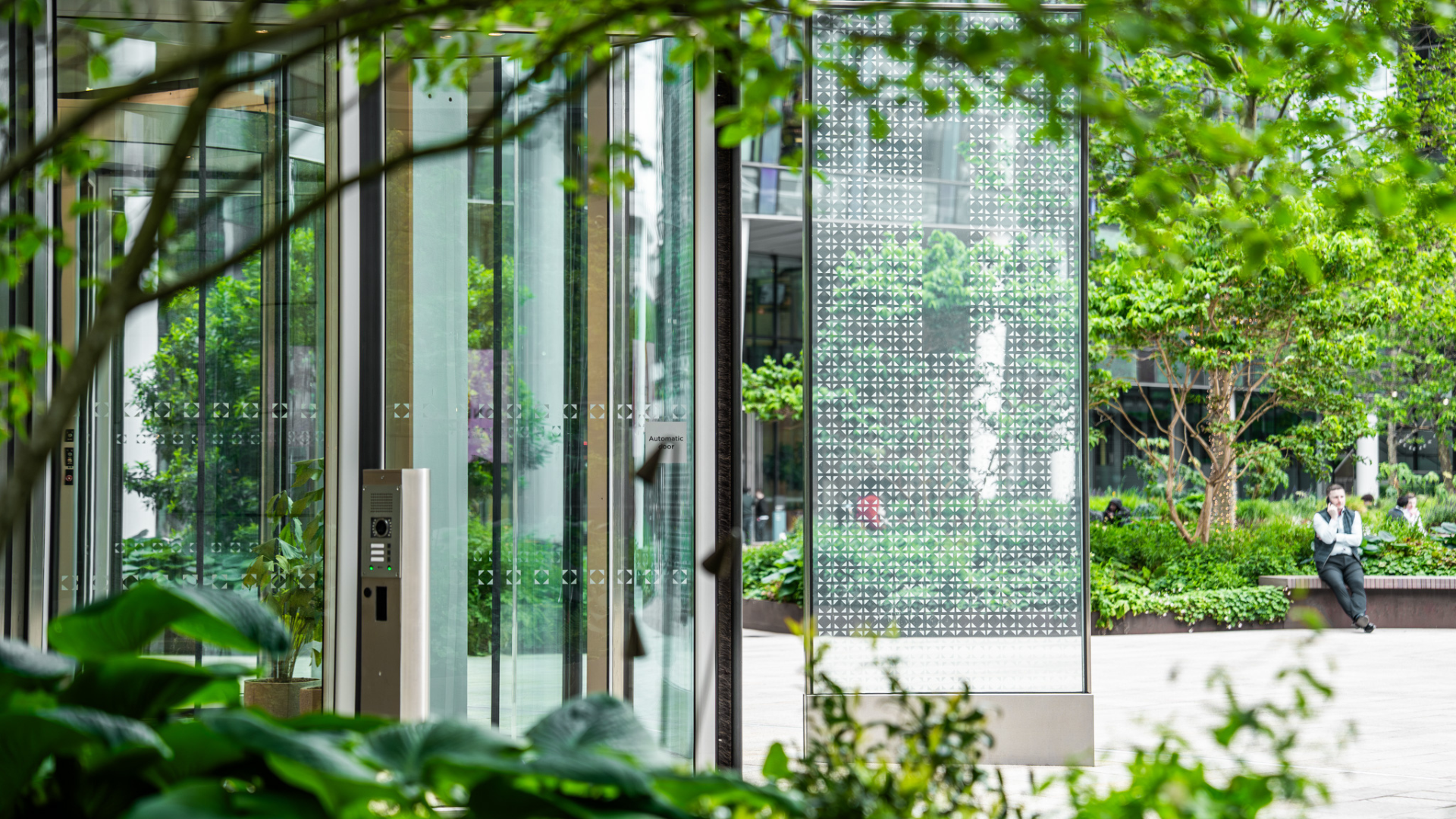
The flagship British Land and Royal London Asset Management building provides more than 300,000 sq ft of purpose-built space, bringing together fitted laboratories, flexible workspace, premium dedicated offices, and shared meeting and event space.
Located in the heart of London’s Knowledge Quarter, One Triton Square is designed to support ambitious businesses at every stage of growth. Flexible floorplates, advanced digital infrastructure and exceptional on-site amenities create an environment where emerging organisations can scale alongside established global leaders. It is workspace built for collaboration and long-term success.
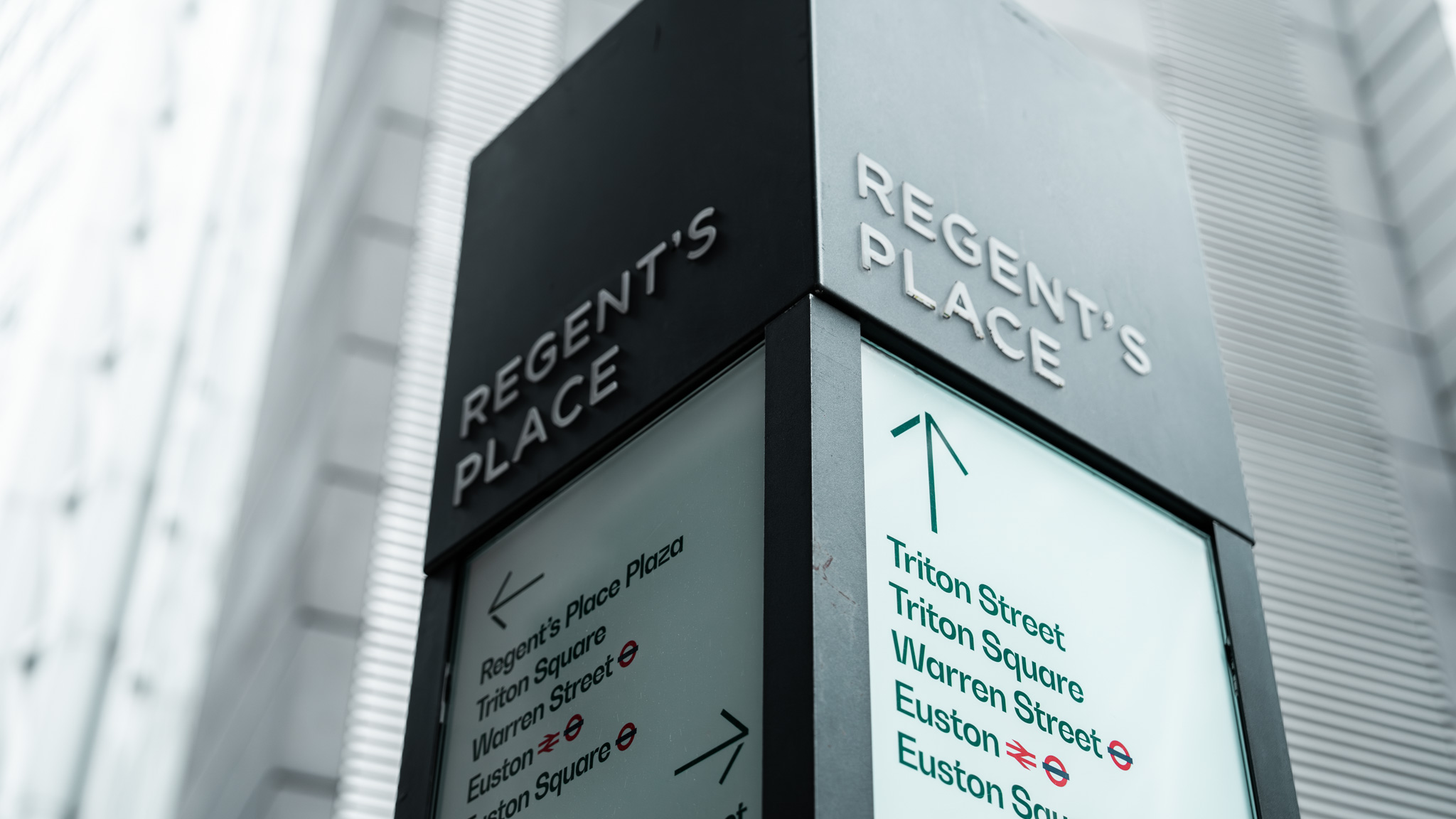
100Gbps is independently available on each floor, providing the capacity occupiers need to support increasingly data-intensive work and emerging technologies. The 100Gbps connection further reinforces One Triton Square’s position as a future-ready commercial destination.
Rhod Morgan, Co-CEO, Vorboss adds:
“Connecting One Triton Square with 100Gbps gives its occupiers the capacity they need not only for the way they work today, but for the technologies and opportunities that come next. It perfectly complements the vision British Land and Royal London Asset Management had for the building – a space designed around the needs of ambitious, innovation-led organisations”
“One Triton Square sits at the centre of London’s science and technology ecosystem, and we’re incredibly proud to be providing the infrastructure it needs to thrive.”
Simon Hepher, Head of Asset Management, Regent’s Place and Innovation Assets, British Land:
“One Triton Square is a landmark new building at the heart of Regent's Place, designed to support ambitious businesses at every stage - from agile start-ups to established global leaders. Alongside best-in-class laboratories, workspace, and offices, the building will now also offer some of the best digital connectivity in London, with 100Gbps providing occupiers the capacity they need for increasingly data-intensive work as they scale and grow.”
Mark Carroll, Property Development Director, Royal London Asset Management:
“As a long-term investor, we are focused on creating places where businesses can thrive. This investment in digital infrastructure further enhances One Triton Square's appeal to science, technology and innovation-led occupiers and supports its long-term success.”
The connection at One Triton Square forms part of Vorboss’ commitment to ensuring London has the serious digital infrastructure required to remain a leading global centre for business, science and technological innovation.
Ends.
The experience driving our growth
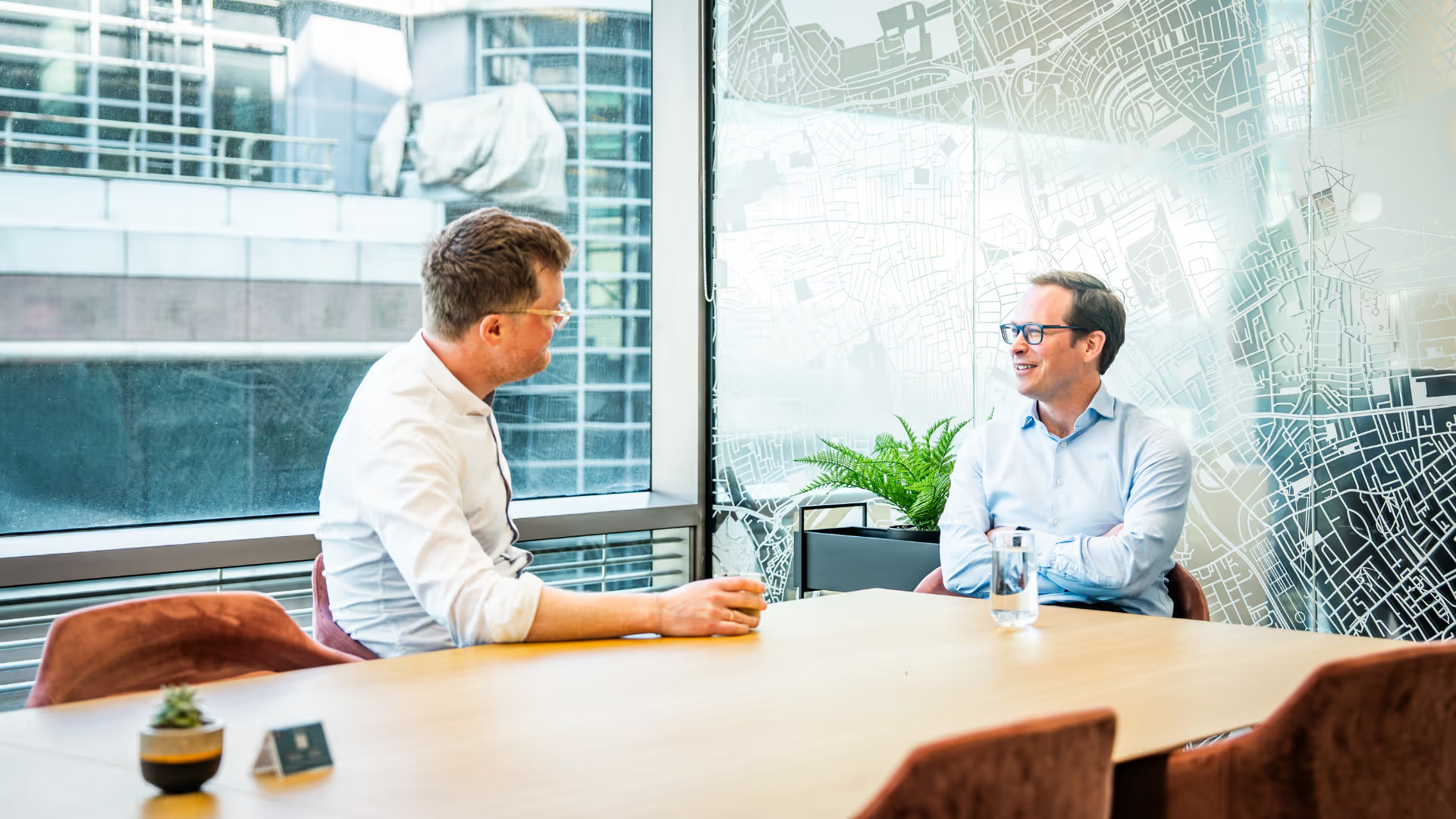
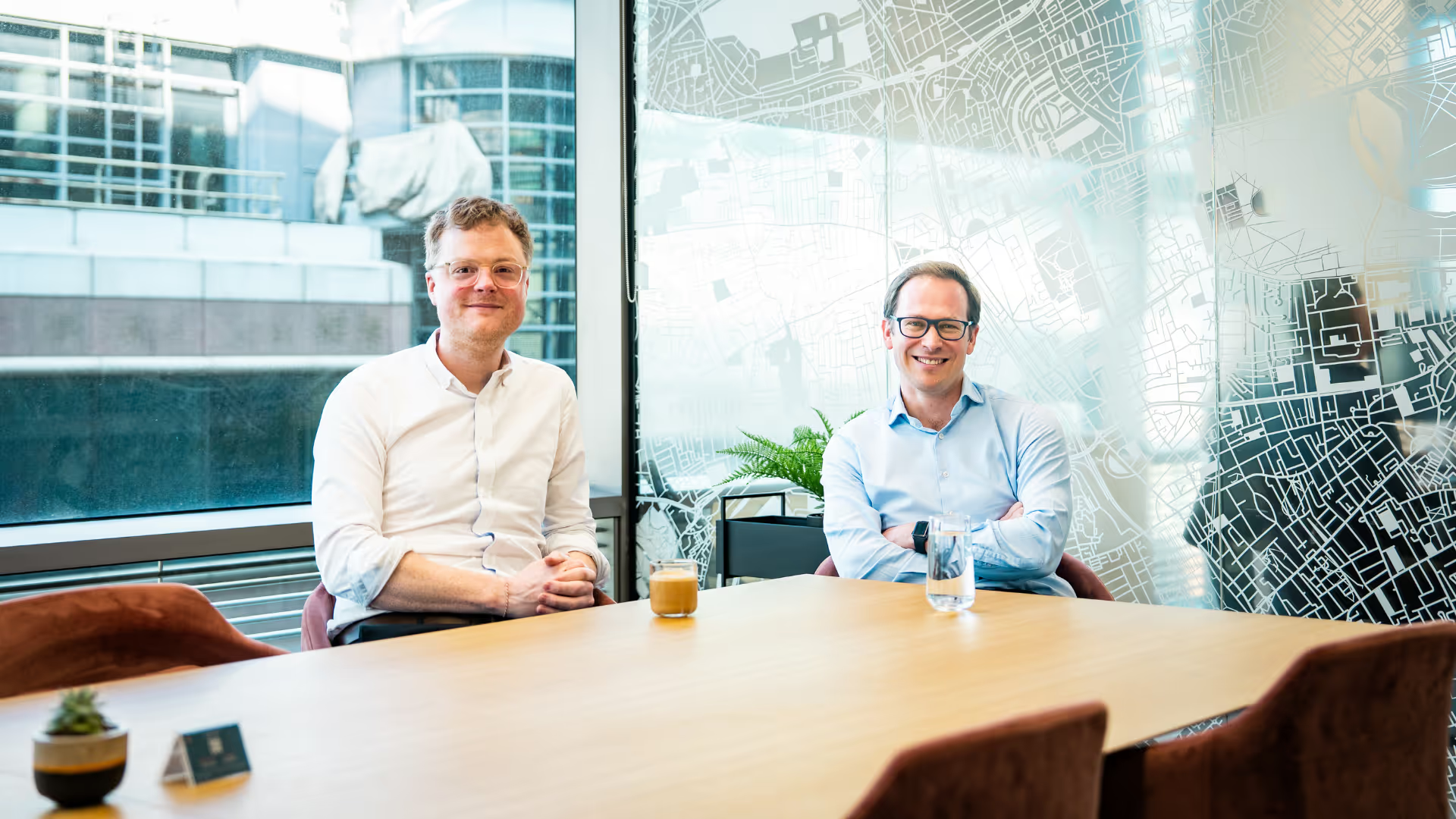
David has been central to our success as our Chief Financial Officer. Drawing on his experience at Zayo Group and RBC Capital Markets, he brings strong insight across large-scale infrastructure, investment banking and managed services. As our CFO, he’s been instrumental in shaping a commercial model that supports businesses as they grow, giving our customers the certainty and simplicity they expect.
Rhod has played a pivotal role in operations at Vorboss since 2020. He led the build of our network, now spanning over 900 km, and has raised industry standards across quality and efficiency, making sure our customers have a flawless experience. With previous roles at companies like Arup and WeWork, Rhod understands the complexity of London commercial real estate and knows exactly what it takes to deliver world-class technology in a fast-paced city.
The next chapter
Under David and Rhod’s leadership, we are doubling down on our commitment to keep things simple for our customers and remain the transparent, accountable provider ambitious businesses rely on as they grow.
“Vorboss is on path to becoming one of the UK’s leading B2B connectivity and managed service providers,”
says Adam Dunlop, Operating Partner at Octopus Capital and Chair of the Vorboss Board.
“With David and Rhod’s leadership, and the strength and commitment of the team across the business, I am genuinely excited about what lies ahead.”
Vorboss is part of the Fern Trading Group, managed and advised by Octopus Investments. This partnership, backed by £250million in funding, enabled us to build an independent, 100Gbps London fibre network and connect thousands of businesses across the capital. Having expanded our offering with a range of cybersecurity and managed technology solutions last year, we continue to do things differently by delivering everything end-to-end through our in-house teams.