One Triton Square joins London’s best-connected buildings with Vorboss 100Gbps connectivity through British Land partnership

If you’ve ever tried to tweak a setting in Microsoft Edge and found yourself lost in all the options, this one’s for you.
Microsoft is cleaning up the Settings page, so you’ll no longer need to dig around in endless menus to find the setting you need.
What’s changing?
You’ll see a new quick access panel under the main Settings menu, giving you shortcuts to the features you’re likely to use the most.
Settings will also be split into smaller submenus, like “System and Performance” and “Appearance”, making it easier to find exactly what you want.
Better yet? The submenus will have their own quick access shortcuts too.
The improvements will give Google Chrome (which has been praised for its well-organised settings) a run for its money. So if your team doesn’t already use Edge as their default browser, it’s a great time to give it another try.
Microsoft is currently testing the update, and it should start rolling out soon. Once it does, you can expect much smoother navigation.
If you need help making the most of the new features in your business, we can help. Get in touch.
If you’ve ever tried to tweak a setting in Microsoft Edge and found yourself lost in all the options, this one’s for you.
Microsoft is cleaning up the Settings page, so you’ll no longer need to dig around in endless menus to find the setting you need.
What’s changing?
You’ll see a new quick access panel under the main Settings menu, giving you shortcuts to the features you’re likely to use the most.
Settings will also be split into smaller submenus, like “System and Performance” and “Appearance”, making it easier to find exactly what you want.
Better yet? The submenus will have their own quick access shortcuts too.
The improvements will give Google Chrome (which has been praised for its well-organised settings) a run for its money. So if your team doesn’t already use Edge as their default browser, it’s a great time to give it another try.
Microsoft is currently testing the update, and it should start rolling out soon. Once it does, you can expect much smoother navigation.
If you need help making the most of the new features in your business, we can help. Get in touch.
Whether you’re drafting emails, writing reports, or creating presentations, spelling mistakes and typos can easily be missed. This means you run the risk of looking unprofessional, especially when communicating with clients or business partners.
Here’s the good news: Windows 11 comes with built-in spell check and autocorrect tools that can put an end to embarrassing spelling mistakes.
These tools are easy to set up. And once that’s done, you won’t need any extra software to make sure your text always looks clear and professional.
Want to know how to use them?
First, open Windows Settings. Then select Time & Language and click on the Typing page. From there, you can turn on options like ‘Autocorrect misspelled words’ and ‘Highlight misspelled words’.
These features will work across most apps, fixing errors and flagging possible spelling mistakes.
You can even get word predictions as you type by enabling text suggestions.
Does your business run in multiple languages? Be sure to switch on the ‘Multilingual text suggestions’ feature. This will bring up word suggestions in whatever language you are using.
While the spelling tools built into Windows 11 will work across most apps once enabled, some apps (like Notepad and Outlook) need a little extra set up.
For example, in Notepad, you’ll need to click the gear icon for settings to switch on the spell check feature.
Your team probably spends a lot of time in Outlook sending emails, so it’s well worth switching on grammar tools here. Go to Editor Settings under the Options tab. From there, you can turn on features like autocorrect, text predictions, and even tone adjustment.
And if your team uses Microsoft Edge for browsing, you can set up spell check and grammar tools there as well. Just head to Settings, click on Languages, and turn on the grammar and spell check options.
By setting up spell check and autocorrect in Windows 11, you’re not just avoiding small mistakes - you’re helping your business run more smoothly.
If you need a hand with this or want more advice on how to save time in your business, we can help. Get in touch.
If you’ve ever had the misfortune of seeing the dreaded Blue Screen of Death (BSOD) on your computer, you know just how frustrating it can be. It’s that moment when your screen turns an ominous shade of blue, and you’re left wondering what went wrong and how much work you’ve just lost.
For businesses, these crashes are more than just annoying – they can be disruptive and cost money.
Recent research highlights just how common BSODs have become, with one in 200 devices crashing under normal use. And it gets worse. During the recent CrowdStrike outage, that number shot up to one in ten devices.
While the tech industry seems to be hit the hardest, with more than 15% of devices affected monthly, even sectors like healthcare and retail, which are less prone to these crashes, still get about 8-10% of devices displaying the dreaded blue screen.
So, what’s causing all these crashes? And more importantly, how can you reduce the risk of them happening in your business?
The good news is that about half of these incidents are avoidable.
The bad news is that many businesses simply don’t have the tools or strategies in place to prevent them.
One of the key takeaways from the study is that many BSODs are linked to a few common issues. Problematic hardware, poorly managed Windows updates, and misconfigured drivers for things like graphics cards, networks, and audio systems are among the top culprits.
When these aren’t working properly, it can lead to system instability, which often manifests as a BSOD.
For business owners, this means taking a proactive approach to IT management is crucial.
Instead of waiting for something to go wrong and then scrambling to fix it, businesses should focus on identifying potential problem areas before they lead to a crash. By monitoring the health of your devices and making sure that updates and drivers are properly managed, you can significantly reduce the likelihood of BSODs disrupting your operations.
The research suggests that with the right preventative measures, businesses could cut the number of BSOD incidents in half, reducing the occurrence to about one in 400 devices. This not only minimises downtime but also frees up your IT team to focus on more strategic tasks rather than constantly putting out fires.
Unfortunately, many businesses lack the necessary tools to identify these risks early on. In fact, most companies don’t even know which of their devices are at risk right now, let alone which ones might crash in the future.
To move from a reactive approach to a proactive one, invest in tools that can provide insights into your IT systems. These tools allow you to make data-driven decisions, which can reduce costs, relieve employee stress, and ultimately increase productivity.
Better still, get experts to do it for you. Our approach is proactive IT management. This prevents problems before they can interrupt your work.
Let us keep your business crash-free. Get in touch.
With the end of support for Windows 10 just over a year away, many business owners are starting to wonder why they haven’t upgraded to Windows 11 yet. Are you one of them?
Research shows that most businesses could make the switch, but a surprising number are still holding back. This despite the upgrade being free and easy.
A recent survey of more than 750,000 Windows 10 systems found that 88% are on hardware that’s fully capable of moving to Windows 11.
Yet, 82% of businesses haven’t taken the plunge.
This is worrying, especially with the clock ticking down to the deadline in October 2025. After then, Windows 10 won’t get any more free updates, including all-important security patches. That could leave your business exposed to risks.
So, what’s the hold-up? For many, it’s the fear of disrupting business operations. Upgrading an entire business’s operating system might sound like a hassle, with concerns about downtime or technical headaches.
But the truth is, upgrading to Windows 11 can be a lot easier than you think, especially with expert assistance (contact us if we can help you with this).
And there’s more to it than just avoiding the risks of sticking with an outdated system. Windows 11 comes with so many benefits:
- Better security to keep your business safe from modern threats
- Improved performance to boost productivity
- And a sleek, intuitive interface that makes work easier for your team
Plus, if you are using newer hardware, Windows 11 will let you make the most of it.
The upgrade from Windows 10 to 11 is free if your devices meet the requirements.
With so many advantages and the deadline fast approaching, there’s no reason to wait.
We help make all upgrades as easy as possible. Let’s jump on a call and we’ll tell you about our extensive preparation, when we schedule upgrades, how we train your team – and answer all your questions.
Our goal is to get you up and running on Windows 11 without disrupting your daily operations. Let’s talk.
If you've installed version 24H2 of Windows 11 for your business, you might have noticed an annoying glitch in File Explorer.
File Explorer is that familiar window you use to browse your files and folders. Normally, it’s straightforward – but some people are running into issues with the “See more” menu after downloading this update.
The menu, which is marked by three little dots, usually pops up below your mouse cursor, giving you options like “Select All” or “View Properties”.
But thanks to a recent bug, the “See more” menu is flying up to the top of the screen, often disappearing out of sight. And if you’re using File Explorer in full-screen mode, some menu options might not even be visible.
Frustrating, to say the least.
Luckily, there’s a simple workaround: Just make sure you’re running File Explorer in windowed mode where it shares the screen with other applications. To do this, click the square icon in the top-right corner (next to the “X” you’d click to close it).
You can then resize the File Explorer window, allowing you to use the “See more” menu, even if it’s still misbehaving.
The good news is that Microsoft are aware of the problem. They’re working on a fix.
Little glitches like this can be a nuisance when you and your team are trying to get things done.
Can we help you squeeze more productivity out of your applications? Get in touch.
How cautious are you and your team with online security? You know about phishing scams, dodgy downloads, and not clicking suspicious links, right?
But an even sneakier new malware (that’s malicious software) wants to frustrate you into giving up your Google login details.
The malware doesn’t have a catchy name yet, but it’s part of a larger threat known as “Amadey”, and it’s been on the rise since August.
It forces your PC into something called “kiosk mode” (a setting often used on public computers that only lets you access one window). This allows it to lock your browser in full screen mode, hiding all your usual navigation buttons like the address bar and menus. Then you get sent to a fake Google password reset page.
Normally, you’d just hit the Esc or F11 keys to get out of full screen mode, right? Well, not this time. It won’t work if the malware has infected your PC. It wants to confuse you into thinking you must enter your password to solve the problem.
The password reset page will look like a real Google page. But the second you type in your details, they’ll be stolen by a second piece of malware hiding in the background, falling right into the hands of cyber criminals.
Pretty scary stuff.
But here’s the good news: You can break free without giving up your details.
If your browser gets stuck in full screen mode, try hitting ALT+TAB to switch tasks, or ALT+F4 to force the window to close. Otherwise, try closing it through your task manager (CTRL+ALT+DELETE).
If all else fails, just restart your PC by holding down the power button or unplugging it, then get an expert (like us) to look at the malware.
Prevention is always the best approach, though. Be wary if your computer starts behaving strangely, especially if your browser suddenly goes into full screen mode and won’t let you navigate away.
Avoid clicking on suspicious links or downloading attachments you aren’t sure about. And as tempting as it might be to get past an annoying screen, never enter your password unless you’re 100% sure the website is legit.
If you’d like us to teach your team how to avoid the latest scams, we can help. Get in touch.
Latest from the press room
London, UK, 13 August 2026:
Vorboss, which owns and operates London’s dedicated business fibre network, has connected One Triton Square at Regent’s Place with 100Gbps connectivity, delivering exceptional digital capacity to one of the capital’s most exciting new destinations for science, technology and innovation.
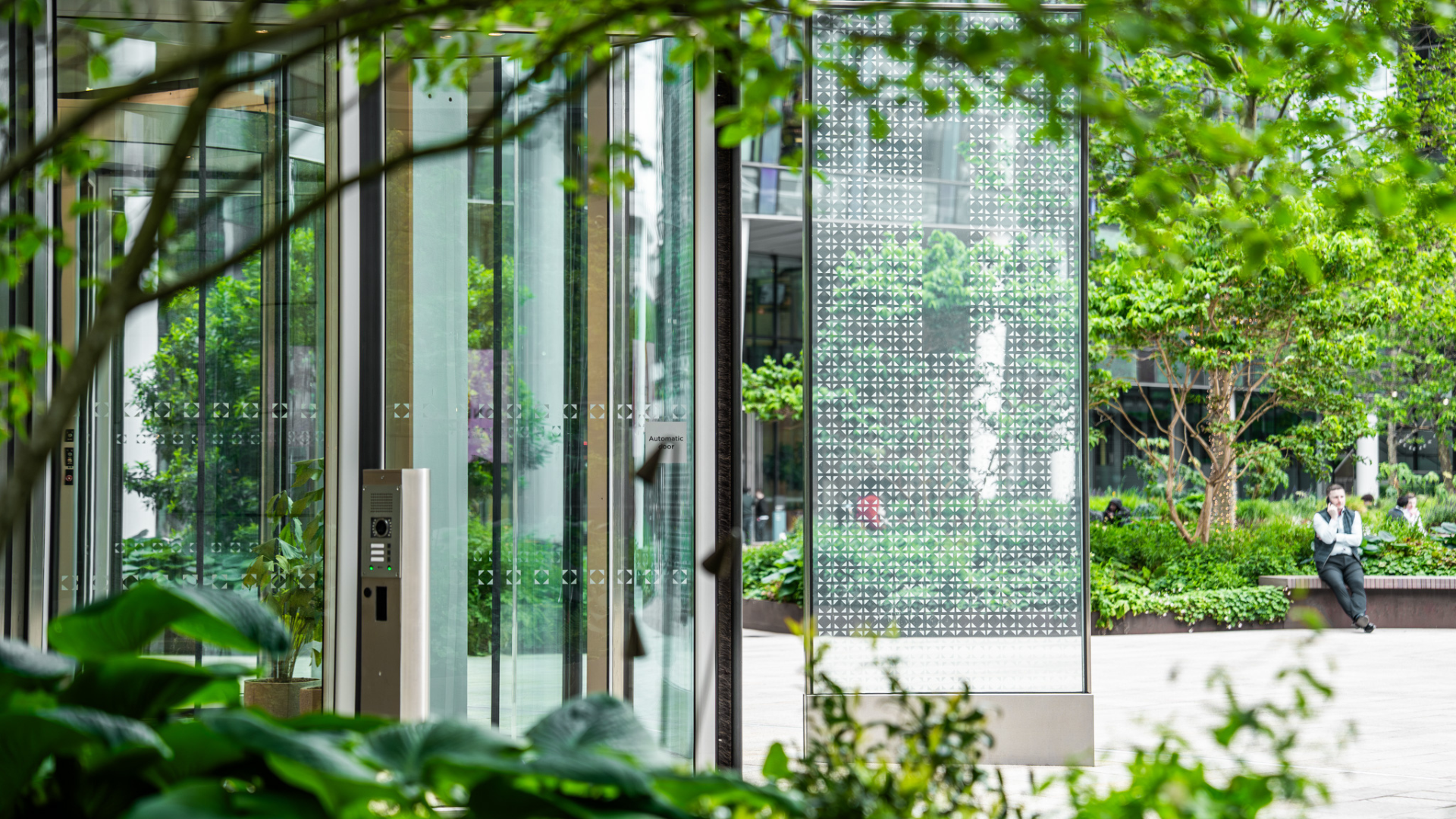
The flagship British Land and Royal London Asset Management building provides more than 300,000 sq ft of purpose-built space, bringing together fitted laboratories, flexible workspace, premium dedicated offices, and shared meeting and event space.
Located in the heart of London’s Knowledge Quarter, One Triton Square is designed to support ambitious businesses at every stage of growth. Flexible floorplates, advanced digital infrastructure and exceptional on-site amenities create an environment where emerging organisations can scale alongside established global leaders. It is workspace built for collaboration and long-term success.
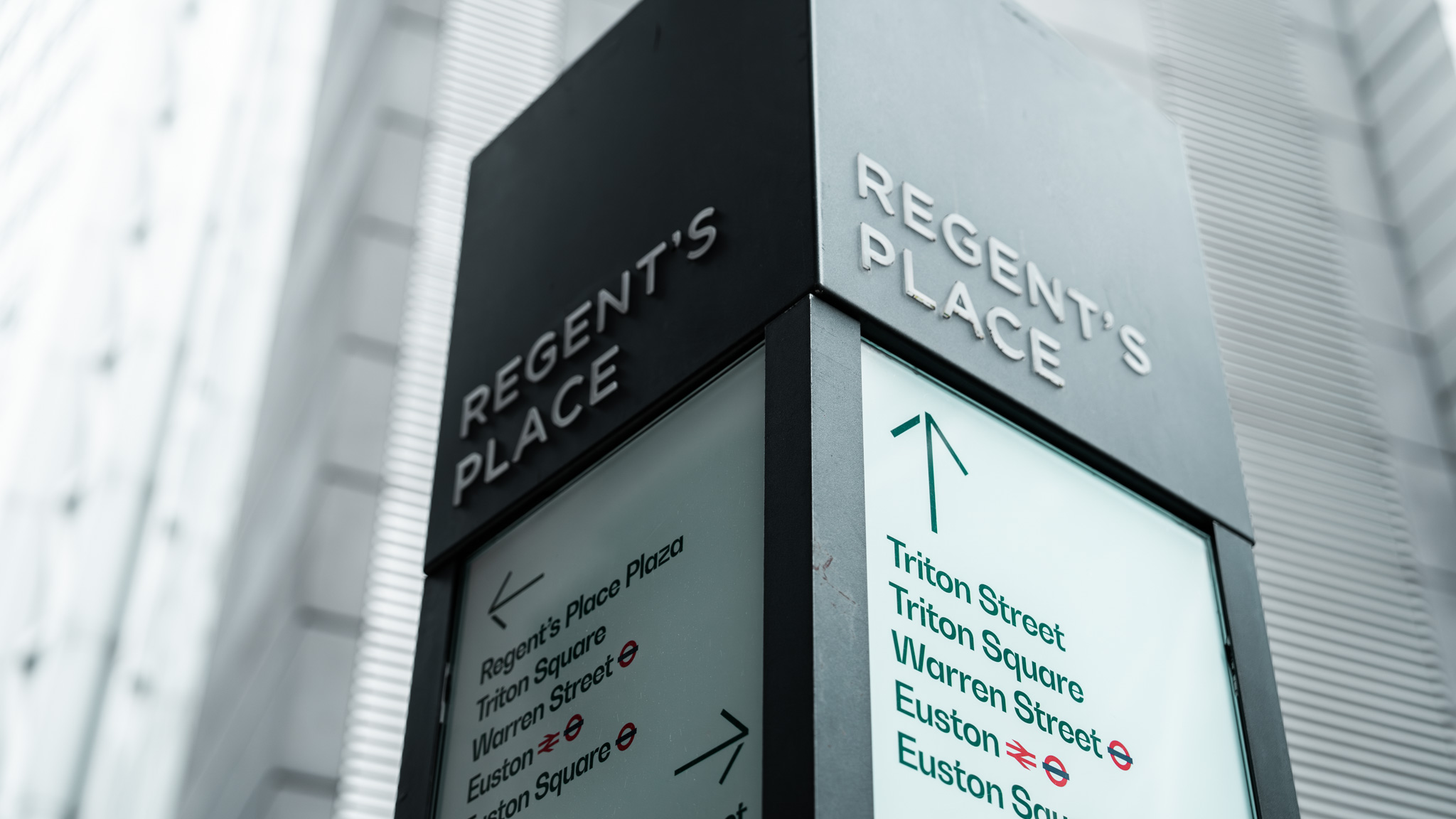
100Gbps is independently available on each floor, providing the capacity occupiers need to support increasingly data-intensive work and emerging technologies. The 100Gbps connection further reinforces One Triton Square’s position as a future-ready commercial destination.
Rhod Morgan, Co-CEO, Vorboss adds:
“Connecting One Triton Square with 100Gbps gives its occupiers the capacity they need not only for the way they work today, but for the technologies and opportunities that come next. It perfectly complements the vision British Land and Royal London Asset Management had for the building – a space designed around the needs of ambitious, innovation-led organisations”
“One Triton Square sits at the centre of London’s science and technology ecosystem, and we’re incredibly proud to be providing the infrastructure it needs to thrive.”
Simon Hepher, Head of Asset Management, Regent’s Place and Innovation Assets, British Land:
“One Triton Square is a landmark new building at the heart of Regent's Place, designed to support ambitious businesses at every stage - from agile start-ups to established global leaders. Alongside best-in-class laboratories, workspace, and offices, the building will now also offer some of the best digital connectivity in London, with 100Gbps providing occupiers the capacity they need for increasingly data-intensive work as they scale and grow.”
Mark Carroll, Property Development Director, Royal London Asset Management:
“As a long-term investor, we are focused on creating places where businesses can thrive. This investment in digital infrastructure further enhances One Triton Square's appeal to science, technology and innovation-led occupiers and supports its long-term success.”
The connection at One Triton Square forms part of Vorboss’ commitment to ensuring London has the serious digital infrastructure required to remain a leading global centre for business, science and technological innovation.
Ends.

The experience driving our growth
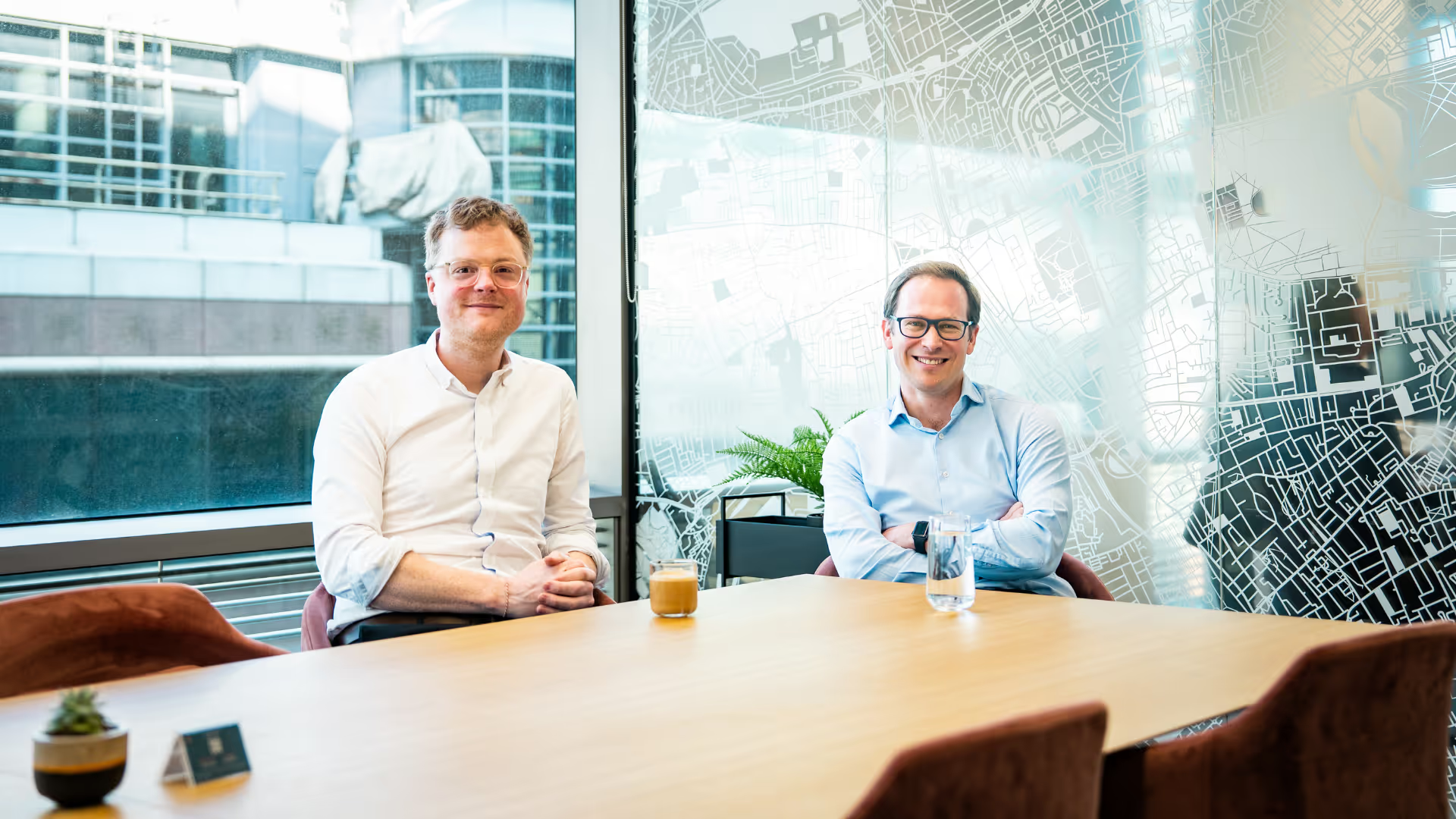
David has been central to our success as our Chief Financial Officer. Drawing on his experience at Zayo Group and RBC Capital Markets, he brings strong insight across large-scale infrastructure, investment banking and managed services. As our CFO, he’s been instrumental in shaping a commercial model that supports businesses as they grow, giving our customers the certainty and simplicity they expect.
Rhod has played a pivotal role in operations at Vorboss since 2020. He led the build of our network, now spanning over 900 km, and has raised industry standards across quality and efficiency, making sure our customers have a flawless experience. With previous roles at companies like Arup and WeWork, Rhod understands the complexity of London commercial real estate and knows exactly what it takes to deliver world-class technology in a fast-paced city.
The next chapter
Under David and Rhod’s leadership, we are doubling down on our commitment to keep things simple for our customers and remain the transparent, accountable provider ambitious businesses rely on as they grow.
“Vorboss is on path to becoming one of the UK’s leading B2B connectivity and managed service providers,”
says Adam Dunlop, Operating Partner at Octopus Capital and Chair of the Vorboss Board.
“With David and Rhod’s leadership, and the strength and commitment of the team across the business, I am genuinely excited about what lies ahead.”
Vorboss is part of the Fern Trading Group, managed and advised by Octopus Investments. This partnership, backed by £250million in funding, enabled us to build an independent, 100Gbps London fibre network and connect thousands of businesses across the capital. Having expanded our offering with a range of cybersecurity and managed technology solutions last year, we continue to do things differently by delivering everything end-to-end through our in-house teams.