One Triton joins London's best connected buildings with Vorboss 100Gbps


At Vorboss, we have completely transformed business connectivity in London. By building a vertically integrated organisation, we have created a dedicated business fibre network that is driving London towards 10Gbps as a standard, a change that businesses desperately need.
Our innovative business model has allowed us to build a network with significantly more capacity, we start where others top out, connecting customers up to 100Gbps at market-leading rates. We also get customers connected much faster than the current industry standard, setting us apart.
Why did we throw out the traditional telecoms playbook? So we could redefine what's possible for London's underserved businesses. The Vorboss way isn't just a different way, it's a better way, and this is how we did it.
Building a disruptive business model

Building London's best full-coverage business fibre network was no small feat. 70% of the UK's connectivity demands are in Central London, but an ageing incumbent internet operator serves 80% of that market. It can't meet the needs of modern businesses, which is why we came in and built our network with the latest technology and newest design.
We built a future ready network that serves ambitious businesses. To date, we've deployed over 500 km of network in three years—a scale no other fibre company has taken on in Central London, especially in such a short amount of time.
We achieved this through vertical integration; by owning the entire value chain from fibre to service delivery, we have complete control over the quality and build of our network. We offer our customers the highest levels of reliability and flexibility, which isn’t possible with a traditional telecoms model.
Putting customers first
Unlike most telcos, we started by thinking about customers’ needs and worked backwards. A laser focus on market-leading bandwidth, capacity, and delivery has resulted in unassailable products for London's enterprises.
Vorboss is the only vertically integrated Internet Service Provider (ISP) dedicated to business in London. Our people-focused operational model maximises efficiency and delivers an outstanding customer experience.
Powering an unconventional model

Our belief that people come first and assets second led us to create an unconventional model for powering our network.
Creating a motivated workforce
To be truly vertically integrated, we had to start with our workforce. We created a certified training academy that takes people with zero telecoms experience and qualifies them to build our network. We are one of only a few UK ISPs that do all their training in-house; while it may not be the easy option, it is the only way to deliver the quality standard necessary for our ambitious customers.
Keeping our training in-house allows us to build diversity and inclusion into our team, addressing the industry's significant diversity problem from the ground up. By looking at real-life people rather than numbers, we have created a team that is engaged, motivated, and willing to think differently to solve problems for customers. This approach makes good business sense, but it's also the right thing to do; future decision-makers will want to buy from companies that share their values.
From planning to customer support, it is an exceptional customer experience from end-to-end. Our customers will only ever speak to members of the Vorboss team, not contractors.
Moving people and assets separately

Many of our employees are young Londoners who rely on public transportation to get around the city. Rather than limiting our talent pool to those who can drive, we developed a system where we separated personnel and resources.
Our model enables Installation Technicians to travel to site via public transportation. We hire professional drivers to transport tools and equipment to workers in the field. This separation allows our teams to deliver a better product by moving faster and working more efficiently.
Building our own software
Early on, we saw that we needed more than off-the-shelf software solutions to power our innovative model. We have assembled a team of 25 Software Developers (and growing), led by our Chief Information Officer, so we can move at speed and build customer-facing products that are fit for purpose.
Our Software team has built a data management platform that sees the relationships between all business data. They build tools to aid deployment and network operation; for example, they developed a tool that finds all customers affected by a given fault. Using low-code prototypes, business problems are solved in minutes rather than hours.
By having a dedicated Software team working on our core business functionality, we increase yield for the rest of the business. This allows us to operate with agility, build solutions that our customers need, and make strategic decisions based on real-time data.
Setting a new standard

Our organisation is made for change. Our network will accommodate the evolving economic climate, as well as the growing needs of our customers, to secure London’s position in the global economy.
After growing a workforce of around 400 and building the ability to connect over 120,000 businesses in Central London, we can safely say that our model works. Backed by the Fern Trading Group, which is advised by Octopus Investments, our fresh approach and extensive premium network, combined with a team that reflects the communities it serves, has made our business-only fibre network the industry leader in Central London.
If you would like to learn more about getting connected with us, speak to one of our experts today.

This recognition reflects Vorboss’ commitment to the highest standards across the City and its ongoing contribution to making London a better connected, future-ready capital. The scheme challenges engineering teams to exceed legal requirements when working on streets and pavements in the Square Mile, aiming to ensure safety, minimise disruption, and improve conditions for everyone who lives, works, or travels through the area.
Participating companies are assessed on planning and coordination, accountability, responsiveness, and alignment with the City’s business priorities.
Rhod Morgan, Chief Operating Officer at Vorboss, credits the achievement to the company’s investment in its people:
“This award is a direct result of our strategy to train, and support our in-house teams. We’ve hired and built a talented and diverse workforce, and we’re proud that our training academy continues to raise the bar for quality delivery in the City."

Headquartered in the Square Mile, Vorboss remains at the forefront of delivering high-performance, reliable internet to businesses across London. This recognition reinforces Vorboss’ role in shaping the City’s digital infrastructure and supporting its future digital capabilities, with the company investing over £250 million in its dedicated network.
The company’s field technicians are trained at an in-house academy that offers a clear career path into telecoms. More than one-third of the team are women, and Vorboss is proud to be a London Living Wage employer.
Ends
For more information, contact press@vorboss.com
About Vorboss
Vorboss is a network that is purpose-built for London's most ambitious businesses.
Designed with London’s future in mind, it is providing businesses direct access to critical fibre infrastructure, with simple, transparent pricing.
Vorboss is unique in owning its network and service end-to-end, and offers 10Gbps, 25Gbps and 100Gbps connections.


Gone are the days when SME businesses could view cybersecurity mostly as a concern for big corporations with global exposure and dedicated IT resource. Today, cybercrime is a multi-billion pound ‘industry’, with small and mid-sized businesses most often in its sights.
And the risks are very real. In the past year alone, brands including M&S, Co-op, Harrods, and even major railway stations have made headlines due to cybersecurity incidents. These high-profile cases show that no organisation, regardless of size or sector, is immune. They also serve as reminders of how disruptive and damaging an attack can be.
So, who is it that poses the threat? The answer is highly organised criminal groups, generally based overseas, running lucrative cybercrime business models, all on their own. With ransomware now a billion-pound industry, these groups buy and sell stolen data, lease out attack tools, and target companies whose stolen data indicates their capacity to pay.
According to HMRC, 70% of UK SMEs were hit by cyberattacks last year. Yet half of all UK and US businesses, mostly smaller firms, still don’t have a response plan in place.
So let’s look at why SMEs are at such risk, what today’s most common threats look like, and the practical and affordable steps you can take to protect yourself if you run a business.
These insights emerged from a fascinating recent panel discussion which our very own Aaron Rice, CIO, hosted at Vorboss HQ, featuring leaders from cybersecurity firms Wavenet and SE LABS. If you’re running an SME and don’t yet have a clear cybersecurity plan, this is the place to start.

Not ‘if’, but when. The case for ‘resilience’
Cybersecurity used to be about trying to build an impenetrable wall around your systems, but as the threat landscape has changed, so has the mindset. Today, it’s less about preventing every attack and more about being ready to respond when something does get through.
This concept - resilience - came up repeatedly as Wavenet’s CISO, Paul Colwell, and SE LABS’ CEO, Simon Edwards, shared their views. Their message for SMEs was clear. It’s not a question of if you’ll be attacked, it’s a matter of when. How well you bounce back may be the difference between a brief disruption and a long-term crisis.
Perhaps the first question to ask in any cyber incident is “Do we have backups?”. If your systems are compromised or locked down, having secure, up-to-date backups can be the difference between getting back to work or being forced to pay a ransom to regain access. Backups don’t stop an attack, but they’ll make recovery easier.
A cyberattack doesn’t just target your systems, it puts your entire business at risk. Downtime, financial loss, and damaged customer trust are all on the table.
The good news is that becoming resilient doesn’t involve making huge investment into high-end technology. With a little planning, it’s entirely possible to build a strong line of defence, and a solid plan for recovery, without excessive cost. In fact, with fewer systems, simpler structures, and the ability to act quickly, smaller businesses often have an advantage over large enterprises when it comes to putting effective measures in place.
The most common cyber threats to SMEs
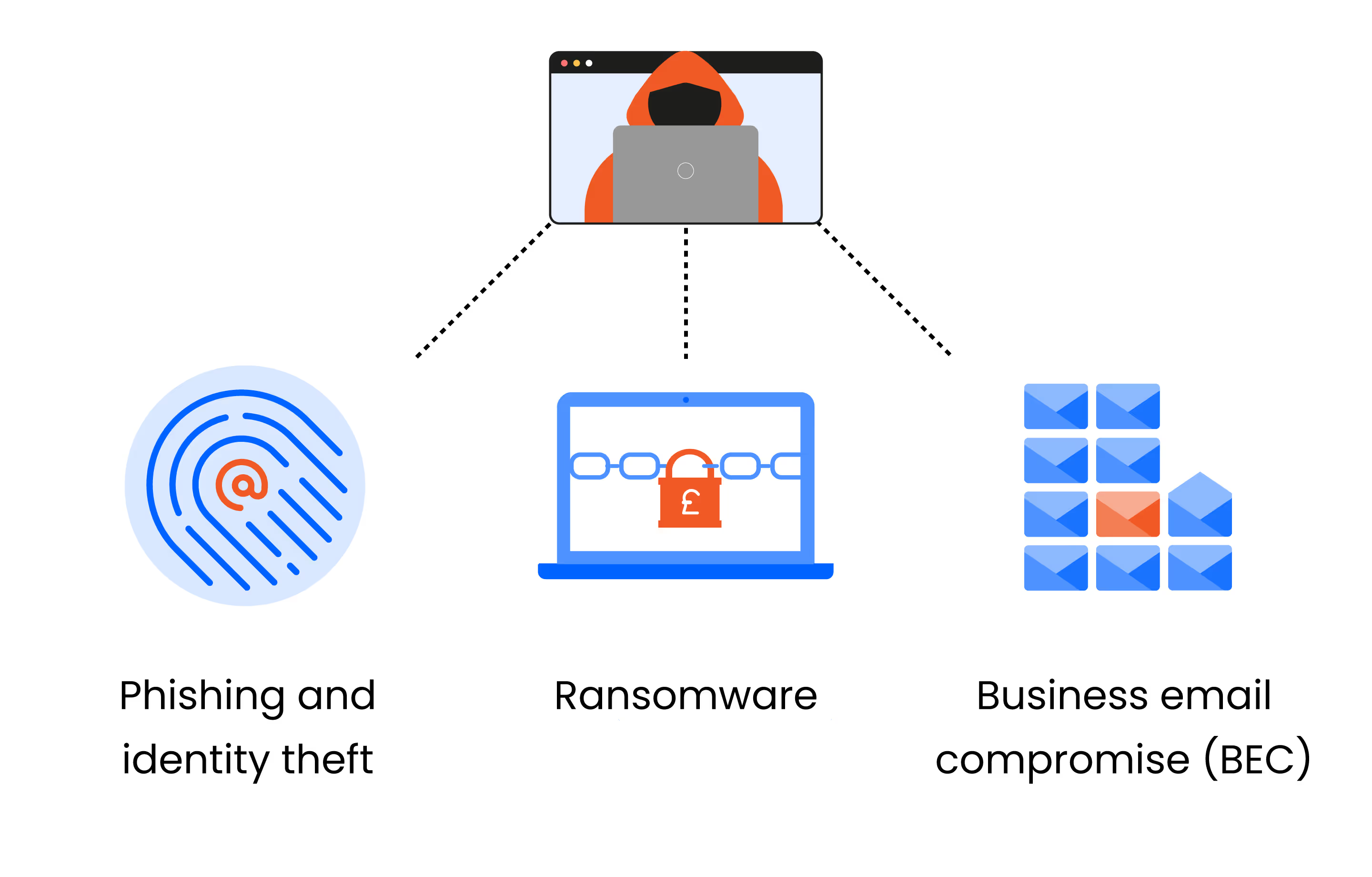
As most SMEs don’t have the time or budget to keep up with every new cybercrime threat, they make attractive targets for hackers, and though cyberattacks come in all shapes and sizes, certain threats show up again and again.
So, what are the most common cyber threats facing SMEs?
Phishing and identity theft
This is where it usually starts. A staff member receives what looks like a legitimate message, usually impersonating a colleague, a supplier, or even a client. It might ask them to click a link, update some details, or approve a payment.
If they take the bait, attackers can obtain access to login credentials, email accounts, or sensitive data, all without needing to “break in”. In the words of SE LABS’ Simon Edwards, “Hackers don’t break in. They log in.”
Ransomware
Ransomware is a frighteningly effective criminal business model, whose use against SMEs has escalated dramatically. Attackers encrypt your data, lock your systems, and demand payment (usually in Bitcoin) to let you back in. In 2023 alone, ransomware was already estimated to be worth over £1bn a year.
While paying the ransom may seem to be the quickest way out, it can open your business up to serious legal and ethical risks, especially if you have no visibility on where the money you’re paying over is going to.
Business email compromise (BEC)
BEC attacks are clever, patient and, again, highly lucrative. Hackers gain access to an internal email account and often set up automatic forwarding to an external address, allowing them to silently monitor conversations over time. They gather intel, study genuine correspondence, and then strike, perhaps by sending a fake invoice or redirecting a payment. It’s why fake emails are so convincing: these criminals aren’t guessing, they know exactly what you’re expecting and exploit timing and trust with precision.
Cyber hygiene. Arranging simple, powerful protection
Cybersecurity doesn’t have to start with technology. It starts with behaviour; simple, everyday habits that make it harder for attackers to get in.
Unlike big organisations with complex systems, SME management teams are usually free to set rules, enforce good habits, and make changes without needing to go through layers of approval.
The number one non-technical thing an SME can do to protect itself? Simon Edwards didn’t hesitate: “Easy. Cyber hygiene and the Cyber Essentials programme.”
So, what does good, basic cyber hygiene look like? A good way to think about it is via ‘The 3 Ps’, as the industry refers to them.
Passwords
Make sure everyone in your business is using strong, unique passwords, and that these aren’t shared or reused across different systems.
A strong password should:
• Be at least 12 characters long
• Use a mix of uppercase and lowercase letters, numbers, and symbols
• Avoid personal details or common words
Next, enforce multi-factor authentication (MFA) wherever possible. It’s one of the simplest and most effective ways to stop unauthorised access.
Phishing
Your team is your first line of defence. Train your people to recognise suspicious emails, double-check unusual requests, and report anything that doesn’t feel right. Most phishing attacks rely on urgency or familiarity to bypass common sense, so encouraging people to pause and consult with managers or appropriate colleagues before taking any action in response to a suspect email can make all the difference.

Patching
Every piece of software has flaws, and cybercriminals are quick to exploit these. Keep all your systems up to date. That includes operating systems, email tools, cloud platforms, routers, and printers. When a zero-day vulnerability is announced, fast patching is critical. It could be the difference between staying secure or becoming one of the first victims.
None of these steps requires major investment. All that’s needed is a clear policy, regular reminders, and a commitment to taking security seriously.
Certifications that help protect and reassure
Even when you recognise the danger of cyberattacks and have measures like these in place to reduce your exposure, how can you evidence this to clients and customers, as well as your employees?
It doesn’t have to be complex - there are certification schemes built specifically for SMEs.
At a basic level, they help you cover the fundamentals. But they also send a clear signal to clients, partners, insurers, and suppliers that you’re serious about reducing risk.
The three most widely recognised certifications are:
Cyber Essentials
The entry point for most UK organisations, and a great starting place for SMEs. Cyber Essentials is a government-backed scheme that covers the basics: secure configuration, access controls, software updates, and protection against common threats. It’s a self-assessed process and, once certified, you’ll receive a badge that shows you’ve met the standard. Clients like it. Insurers like it. And it’s easier to attain than you think.
Cyber Essentials Plus
This is the next step up. It includes everything in the basic Cyber Essentials scheme but adds an independent audit and technical testing. If your business handles sensitive data, works with regulated industries, or simply wants more assurance, then this is worth considering.
ISO 27001
Recognised internationally, this is the gold standard for information security management. It’s more involved and more expensive than Cyber Essentials, but if your business is growing fast or you’re working with enterprise clients, it can be a significant asset.
Whatever level of certification you feel is appropriate for your business, try not to treat it as a one-off box-ticking exercise. It’s a chance to improve your practices, strengthen your culture, and set a clear security baseline that will protect you as you grow.

Vorboss is disrupting the telecoms status quo as we build London’s only dedicated fibre network for businesses. We are growing a team as diverse as the communities we serve.
Our annual gender pay gap report gives us a moment to take stock, celebrating the progress we’ve made towards equity and sharpening our focus on where we still need to go, especially when it comes to equal representation of women at every level of the business.
In an industry that has long lacked diversity, we’ve spent years raising the bar. Equity, inclusion, and diversity are embedded in how we operate - from opening doors through our in-house academy, to designing tools, kit, and PPE with real comfort and usability in mind.
Read the full report here.

Moving office is a big deal for any business, it's also a brilliant opportunity to create a workspace that better supports your people and your ambitions.
Done right, it can strengthen company culture, improve collaboration, boost productivity and scale seamlessly well into the future as your business evolves.
Whether you're upsizing, relocating or upgrading your existing space, this guide will help you plan a smooth move, stay on schedule and within budget.
Why planning ahead pays off
Better control over costs
A detailed budget that covers everything from moving services and IT setup, through to utilities and office redesign helps avoid surprises and keeps spending under control.
No delays
A well-planned move means fewer slowdowns. Splitting tasks into clear stages with defined responsibilities keeps the move on schedule.
Fewer unexpected lease costs
Landlords may require repairs, cleaning, or the office to be restored before you leave. Factoring in potential costs like dilapidations early helps avoid surprises later.
Better lease terms
Planning ahead gives you more time to explore your options and negotiate flexible lease terms that accommodate future growth, changing business needs or another move, without costly penalties.
Smooth tech switchover
Getting internet, IT, and security systems set up before move-in helps keep your team productive and avoids disruption for customers.
Better coordination
Getting colleagues, suppliers and landlords involved early helps everyone understand their responsibilities and keep the move running to schedule.
A well-planned office move keeps your team productive, your business running and your customers unaffected throughout the transition.
How to plan an office move: a quick checklist

A successful office move starts with understanding what your business needs, both now and in the future.
Here's a handy checklist to make sure nothing gets missed:
- Define your business goals - Before looking at properties, be as specific as you can about what you want to achieve. Is it supporting growth, improving collaboration, attracting talent, boosting productivity or bringing teams together? Think about where you want your business to be in the next few years, and keep those goals front and centre when choosing your new workspace.
- Set your timeline - Start with your moving date, then map out everything that needs to happen before it. This gives you enough time to organise suppliers, notify customers and partners, and prepare your team for the move.
- Put together a ‘moving team’ - Assign specific responsibilities, whether that's internal team members or external suppliers. Clear ownership helps keep the move on schedule.
- Audit your current space - Go through your existing furniture, equipment, and storage before the move. Decide what you'll be keeping and what may need upgrading.
- Evaluate suppliers - Look for providers with experience supporting office relocations, clear service guarantees and the flexibility to meet your needs as your business grows.
- Review your IT requirements - Consider everything your new office needs, from internet bandwidth and Wi-Fi to devices, software licences and cybersecurity. Think about what you'll need now and as your business grows.
- Schedule utilities and services early - Arrange utilities like electricity, water, internet and other key services as early as possible, some lead times may surprise you!
- Plan your new layout - Develop a floor plan that'll optimise the space for how your team will use it. Don’t forget to map out where the IT infrastructure will sit, including Wi-Fi access points.
- Keep everyone informed - Tell all your clients, suppliers, and service providers that you are moving office ahead of time to avoid disruption.
A typical office relocation timeline
Every move is different, but here's a rough guide to what needs to happen and when.
6-12 months before the move
Define your space requirements
Create a list of must-haves for the new space. Think about your business goals, floor size, location, and required facilities to ensure the new space will meet your business needs well into the future.
Secure your new location
With demand for quality office space remaining strong across London, it's worth starting your search early to give yourself the best choice of locations, facilities and lease terms.
Establish a budget
It should include moving costs, IT setup, utilities, fit-out work, and contingency funds for unexpected expenses.
Review your existing technology
Take stock of your current internet connection, devices, software licences, cybersecurity and IT support. What's working well? What needs upgrading or replacing? Are you paying for services or licences you no longer need?
Use the relocaiton as an opportunity to build a stronger foundation for growth.
3-6 months before the move
Research suppliers
Compare the best movers, fit-out contractors, and IT partners.
With some suppliers, internet installations can take around 12 weeks, sometimes longer if additional infrastructure, building access permissions or wayleave agreements are required.
Starting early gives you time to account for potential delays and keep your move on schedule.
Design your new IT setup
Work with an expert partner to plan the connectivity, office network, Wi-Fi coverage, meeting room technology and cybersecurity for your new space. Make sure everything is designed around how your team works, and simply flexes as your business grows.
Share updates with your team
It's handy to keep an up-to-date timeline of key milestones.
1-3 months before the move
Plan your tech switchover
Pro tip: Choosing one provider for your internet, IT and cybersecurity means fewer suppliers to coordinate and one team responsible for managing the technology side of your move.
Begin packing
If doing it yourself, organise your packing process systematically. Label boxes clearly with their contents and their destination within the new space.
Update addresses
Notify your customers, suppliers, and service providers of your change of address. Prepare to update your business listings, website and marketing materials.
Test IT systems
Arrange for your IT and connectivity systems to be tested rigorously before moving across. This way, you can be sure that critical services such as the internet and phones are operational before your team arrives. Any good connectivity supplier should offer to connect your office ahead of your move-in date to ensure a smooth transition, wavering the cost of any cross-over to avoid being double-charged.
Moving day
Oversee the process
Assign a trusted team member (even if that is yourself) to supervise the move. Choose someone who can handle unexpected issues and ensure that everything arrives at, is installed into, and functions correctly in the new location as planned.
Test your essential systems
Check your internet, Wi-Fi, phones, and key IT systems as early as possible on moving day to make sure your team is able to work.
Do a walkthrough
However thoroughly you planned your office move, once you are in you need to inspect the new space carefully to ensure everything is in order. Check for damage, missing items, and other issues that need immediate attention.
Post-move
Celebrate with your team - you’ve earned it!
Trust us, working through these stages will enable you to reduce stress (both for yourself and your colleagues) and set the business up for a flying start in its new home.
What to look for in a technology partner when moving office
Moving office is stressful enough, that's why you need a reliable partner who can take things off your hands and offer expert advice on what solution is best suited for your business ambitions.
Before you sign anything, here are five things to check:
Contract flexibility
Not all contracts end when you expect them to. Some providers automatically renew you into another long-term agreement without much warning, making it hard to leave when you need to. Check the small print, notice periods and renewal terms before committing.
Scalability
How easy is it to increase your internet bandwidth, add software licences, connect new devices or extend your cybersecurity coverage as your business grows? Look for providers that make it simple to upgrade your services without lengthy delays, expensive changes or switching contracts.
Clear service guarantees vs marketing buzzwords
Connectivity contracts might say you’ll get ‘up to’ a certain speed, but is that guaranteed or just a target? If a stable connection is critical for your business, look for "guaranteed speeds" in the Service Level Agreement and watchout for makreting buzzwords.
If you’re buying a broadband service, your upload/download speeds are almost definitely not guaranteed, so make sure your connection is dedicated to your business.
Accountability
If your internet goes down, will your provider compensate you automatically, or will you have to fight for it? Some suppliers make you jump through hoops to claim what you’re owed, knowing most businesses won’t have the time. A good provider makes things right without the headache.
If you have problems with your IT, is your provider easy to reach, is the help desk UK-based? How long will it take to resolve your issue?
End-to-end ownership
You want an accountable, proactive partner that takes the technical bits off your plate. Look for providers that own their network and manage their services end-to-end. This way there are no third-party contractors involved and no grey areas when it comes to responsibilities. You'll also most likely get a way better customer experience and shorter lead times.
Bottom line? Don’t just sign what’s put in front of you. Ask questions, push for clarity, and make sure your IT setup works for your business - not the other way around.
2026 commercial real estate trends to think about
An increased demand for sustainable, premium offices

Market consolidations

Hybrid working

Expert support every step of the way
We support you throughout the entire relocation process, from early planning and infrastructure reviews through to installation, setup, and ongoing support.
A dedicated account manager helps coordinate the move, making sure your internet, devices, and cyber protection are all ready when your team arrives.
Need an internet connection in less than a week?
If you're on a time crunch, or maybe your previous provider let you down, our rapid install service can get you online in as little as 48 hours.
A simpler way to get connected, supported and secure
Because Vorboss owns and operates its own fibre network, we’re able to support businesses directly across connectivity, managed IT, and cybersecurity without relying on multiple third parties.
That means fewer handovers, faster support, and a more joined-up experience throughout your move and beyond.

Vorboss Wins Best Enterprise ISP 2024 at the ISPA Awards
We’re delighted to announce that Vorboss has been voted Best Enterprise ISP at the ISPA Awards! This recognition highlights our unwavering commitment to delivering exceptional connectivity solutions that enable businesses to thrive in an ever-evolving digital landscape.
The ISPA Awards celebrate excellence across the UK’s internet industry, and winning the Best Enterprise ISP category is a testament to our team’s dedication to innovation and reliability. From supporting businesses with high-performance connectivity to helping them achieve their goals with confidence, we’re proud to be at the forefront of modernising the internet industry.
We were also pleased to receive the award for Best Diversity, Equity & Inclusion, reflecting our ongoing efforts to foster an inclusive environment both within our company and across the wider tech sector.
Thank you to the ISPA for this recognition and to all our partners and customers for being part of the journey. Together, we’re shaping the future of connectivity.
Latest from the press room

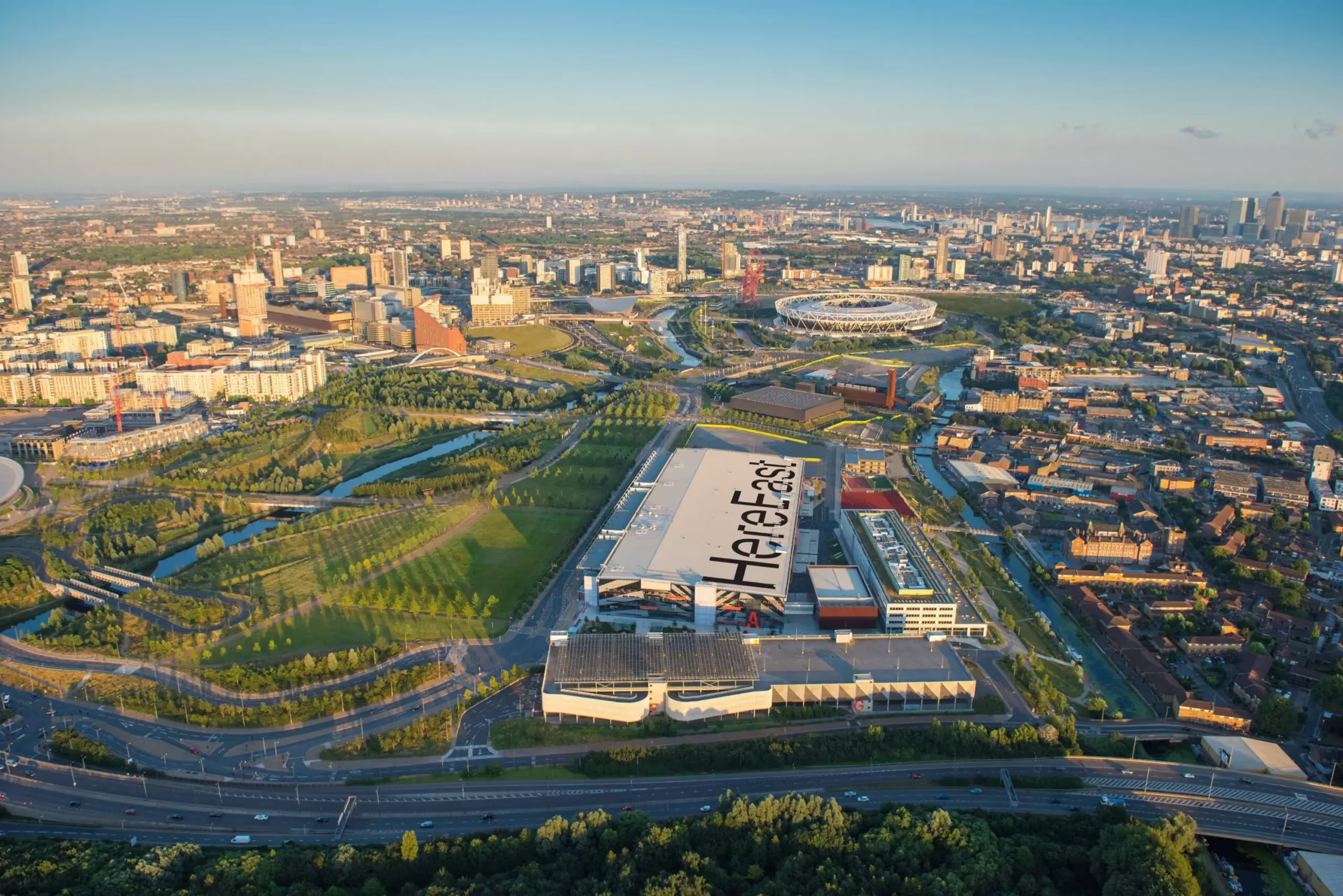
LONDON, UK: 15 September 2026 – Here East, the multi-award-winning hub for innovation and creativity, today announces a strategic partnership with Vorboss to deliver dedicated 400Gbps fibre connectivity across its campus.
With demand for ultrafast, enterprise-grade connectivity accelerating, the investment will elevate the campus’s digital backbone to world-class standards, enabling organisations to innovate without limits and scale at speed.
The partnership comes as Here East cements its position as one of Europe’s most ambitious and globally competitive innovation ecosystems, with rapid growth in world-leading organisations spanning AI, advanced content production and emerging technologies.
The announcement lands at a defining moment for London’s innovation economy. In 2026 alone, the capital attracted $12.6bn in tech investment - the third highest of any city globally and the highest in Europe - while producing 12 new unicorns, more than any other European city.
Vorboss will install a core network node at Here East. Unlike a standard fibre connection, where traffic is carried back to a provider's data centre or telephone exchange, a Vorboss node means internet connectivity effectively originates from within the campus itself. This delivers dedicated 400Gbps fibre connectivity, exceptional speed, low latency, resilience and performance at a scale rarely available in urban campuses.
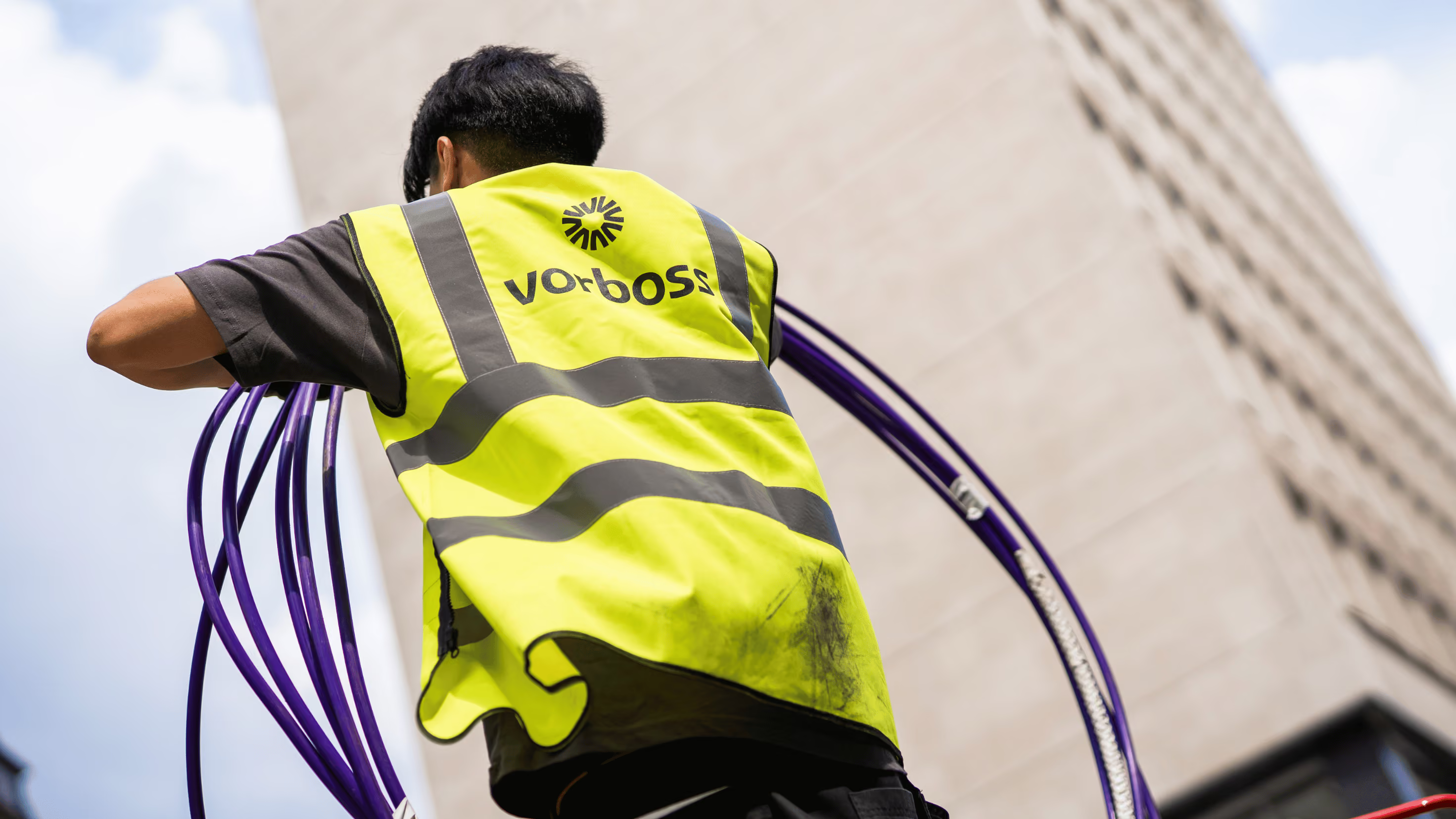
The upgrade significantly enhances Here East’s ability to support organisations operating at the frontier of innovation, from high-growth start-ups to global industry leaders. Unlike traditional providers, Vorboss owns and operates its network end-to-end, ensuring unmatched control, accountability and consistently high performance.
Located in the Queen Elizabeth Olympic Park, Here East is home to a unique concentration of pioneering institutions, global brands and creative leaders, including V&A East Storehouse, Sports Interactive, Ford Mobility, Hawk London and six global universities. More than 7,000 people collaborate, experiment and build the future on site each day, making it one of the most vibrant and influential innovation and creative communities in Europe.
By integrating Vorboss’s cutting-edge fibre network, which was built to power London’s data-hungry businesses, Here East is setting a new benchmark for connected campuses, ensuring its community can handle exponential data growth, accelerate innovation cycles and unlock entirely new frontiers of opportunity.
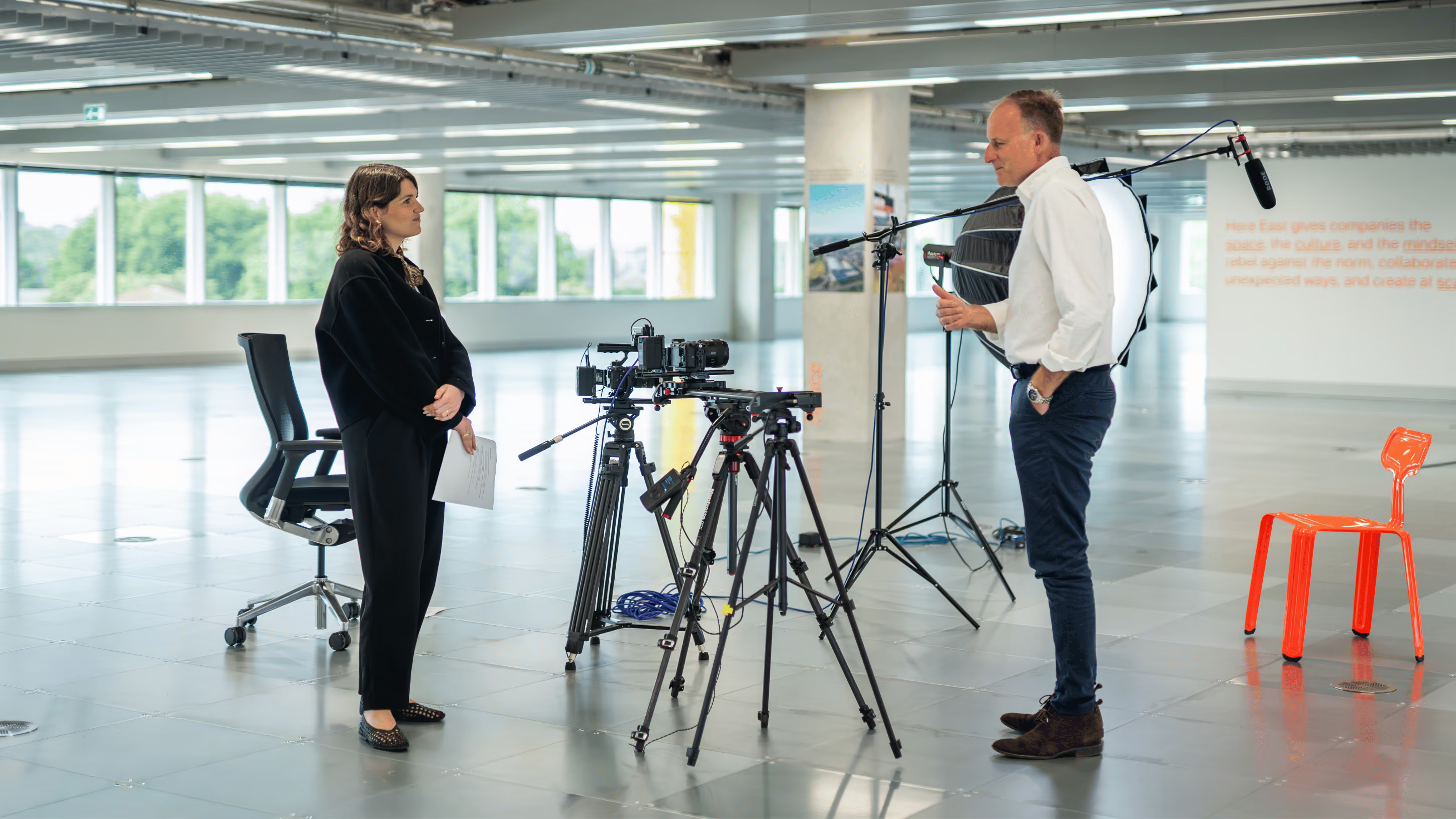
Gavin Poole, CEO of Here East, commented:
“Businesses working at the forefront of AI, data and content creation need infrastructure that can match their ambition and pace of change.
Here East was created to bring together the industries shaping the future - from advanced technology to the creative sector - in a single, collaborative environment. Delivering on that vision means providing not just exceptional space, but infrastructure of a truly global standard.
Our partnership with Vorboss ensures that as our ecosystem continues to grow, it is supported by the speed, scale and resilience required to lead on the world stage.”
Rhod Morgan, Co-CEO at Vorboss, added:
“Here East is exactly the kind of place our network was built for: ambitious, data-hungry organisations that need infrastructure that keeps pace with their growth.
Connecting the campus with 400Gbps means we’re bringing high-capacity infrastructure directly to one of London’s most important innovation hubs. With dedicated capacity, Here East’s tenants get the speed, resilience and headroom they need to scale without being held back by connectivity.”
ENDS
Notes to editors
About Here East
Here East is London’s multi-award-winning campus, home to more than 7,000 people working and studying on site to create at scale: from global technology companies and start-ups, to major academic institutions and pioneers in the creative industries.
Designed for cultural institutions and businesses that want the freedom to experiment, collaborate, and grow, the 1.2 million sq ft campus offers a spectrum of spaces, from creative offices to expansive warehouse studios.
The ecosystem is home to over 30 organisations, including Plexal, the innovation centre and co-working space; Sports Interactive; FORD, Human Centred Design Complex; Studio Wayne McGregor; and The Trampery on the Gantry, which provides low-cost studios for creative businesses and artists. Five of the UK’s leading universities are also based on campus, including UCL and Loughborough University London, along with major cultural institutions including the V&A East Storehouse.
Built within the former Olympic Press and Broadcast Centre, Here East is owned by clients of Delancey, a specialist real estate investment advisory company. It has been recognised by the International Olympic Committee as one of the most successful post-Olympic regeneration projects in the world.
About Vorboss
Vorboss owns and operates London’s leading dedicated business fibre network, built from the ground up for the city’s most demanding organisations. Its high-performance infrastructure delivers the speed and resilience needed by businesses working with AI, advanced content production and data-intensive technologies.
Vorboss also provides IT and Cybersecurity support and services giving businesses greater control over the technology they rely on, backed by one expert team, one number to call, and support from people who take it personally.
Media contact
For press inquiries, interviews, or further information, please contact:
● Email: press@hereeast.com
● Website: www.hereeast.com/press