Cybersecurity in the age of AI: What can businesses do to protect themselves?


Key highlights
Recent news about critical security flaws discovered in PHP, a programming language used by a large proportion of the world's websites, has made global headlines. We sat down with Rob Hatch, Chief Information Security Officer at Vorboss, to discuss how AI is changing cybersecurity and the simple measures every business should have in place to protect itself.
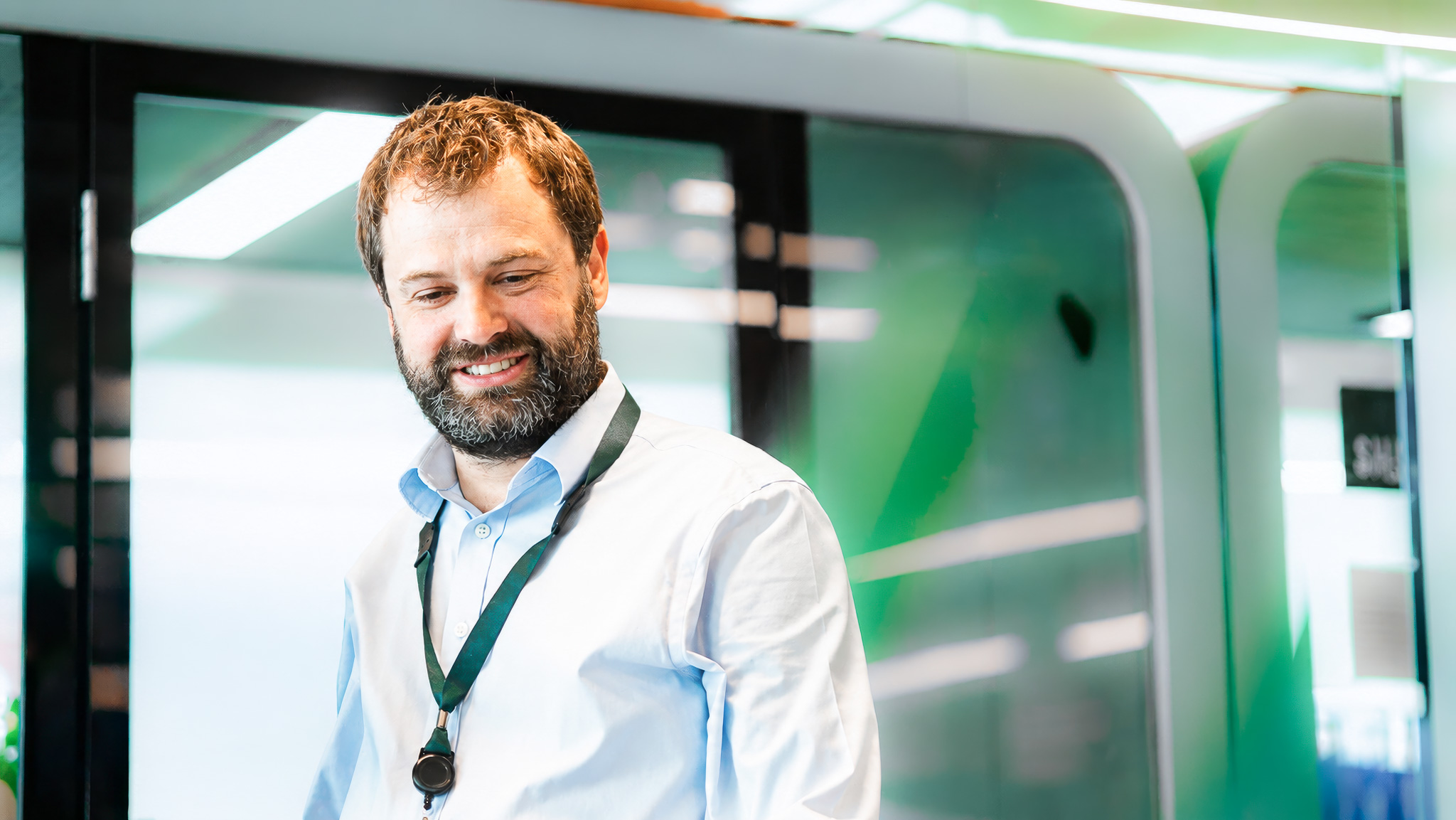
Rob, why have the recent PHP discoveries made headline news?
Rob: The flaws attracted significant media attention because of how serious they were. Security vulnerabilities are essentially weaknesses in software or systems that attackers can take advantage of.
In this case, the potential risks were serious enough for some organisations to temporarily take their websites offline while they applied security updates. That's why we saw hundreds of websites being down.
What made this particularly significant was the role AI played. Researchers used it to examine software code and identify these vulnerabilities.
Talk to us about how AI is changing the security landscape
Rob: The biggest change is speed.
Security vulnerabilities have always existed, but traditionally, finding them could take days or even weeks of examining code and testing different approaches.
AI is making that process much faster. Researchers can use it to analyse huge amounts of code and identify potential weaknesses in a fraction of the time, which is a really positive development.
The flip side is that attackers can use the same technology. That means businesses have less time to respond between a vulnerability being discovered and someone attempting to exploit it.
Should businesses be worried about this?
Rob: Businesses certainly need to be aware of the risks, but you don't necessarily need an entirely new cybersecurity strategy because of AI. The good news is that many of the measures businesses can take to protect themselves are already well established and widely available.
So, what is the absolute minimum every business should be doing?
Rob: Getting the fundamentals right is the single most important thing you can do. There's little point investing in expensive security tools if you've got software that's out of date or systems nobody's keeping an eye on. This applies to businesses of all sizes. You don't need to be a large enterprise to be targeted.
I'd start with three things.
First, understand where you're exposed
You need to know what technology your business relies on, from laptops and applications to servers, websites and network equipment. Pay particular attention to anything that's accessible over the internet. If you don't know a system exists, it's very difficult to protect it.
Second, regularly check for vulnerabilities
New weaknesses are discovered all the time, including in software you've been using for years. Regular vulnerability scanning can help identify these weaknesses and prioritise which ones need attention.
Third, keep your systems updated
When a critical security update becomes available, particularly for something exposed to the internet, you want to get that applied as quickly as possible.
And where you can, automate the process. This is called 'automated patching and monitoring'. This will take a lot of the work off your team's hands and reduce the chances of human error.
What if a business has a small IT team, or no dedicated cybersecurity team at all?
Rob: That's very common, particularly among smaller and growing businesses.
The reality is that most IT teams already have a lot on their plates. They're looking after devices, supporting colleagues, keeping systems running and dealing with everything else that comes their way. Expecting them to manually track every new vulnerability isn't realistic. That's where automation and external support can make a real difference.
A vulnerability assessment is a good place to start. It'll help you understand where your weaknesses are, which ones pose the greatest risk and what you should prioritise.
Finally, if there's one thing you'd want businesses to take away from this, what would it be?
Rob: Don't wait until something goes wrong to find out where you're exposed to threats.
So far in 2026, more than 85,000 software vulnerabilities have been disclosed, that's close to double the number reported last year.
While not all of these were discovered using AI, the sharp increase highlights just how quickly the cybersecurity landscape is changing and why businesses need to be more proactive about protecting themselves.
Want to understand where your business might be exposed?
Vorboss cybersecurity experts combine specialist knowledge of London's threat landscape with a personalised approach, providing tailored vulnerability assessments, managed cybersecurity and ongoing monitoring to help protect your business.
Get in touch to arrange a quick chat with our team about your cybersecurity needs and how we can help.