.png)
Retail & hospitality technology: Customer experiences that set you apart


Key highlights
What makes a customer experience stand out? We sat down with PMC at Future Ready Spaces to explore how retail and hospitality brands can use technology to build trust and keep customers coming back.
In the last few years, retail and hospitality technology has advanced rapidly, and customer expectations have grown alongside it. Whether shopping online, visiting in person or using an app, people expect one consistent experience.
But are brands making the most of their technology?
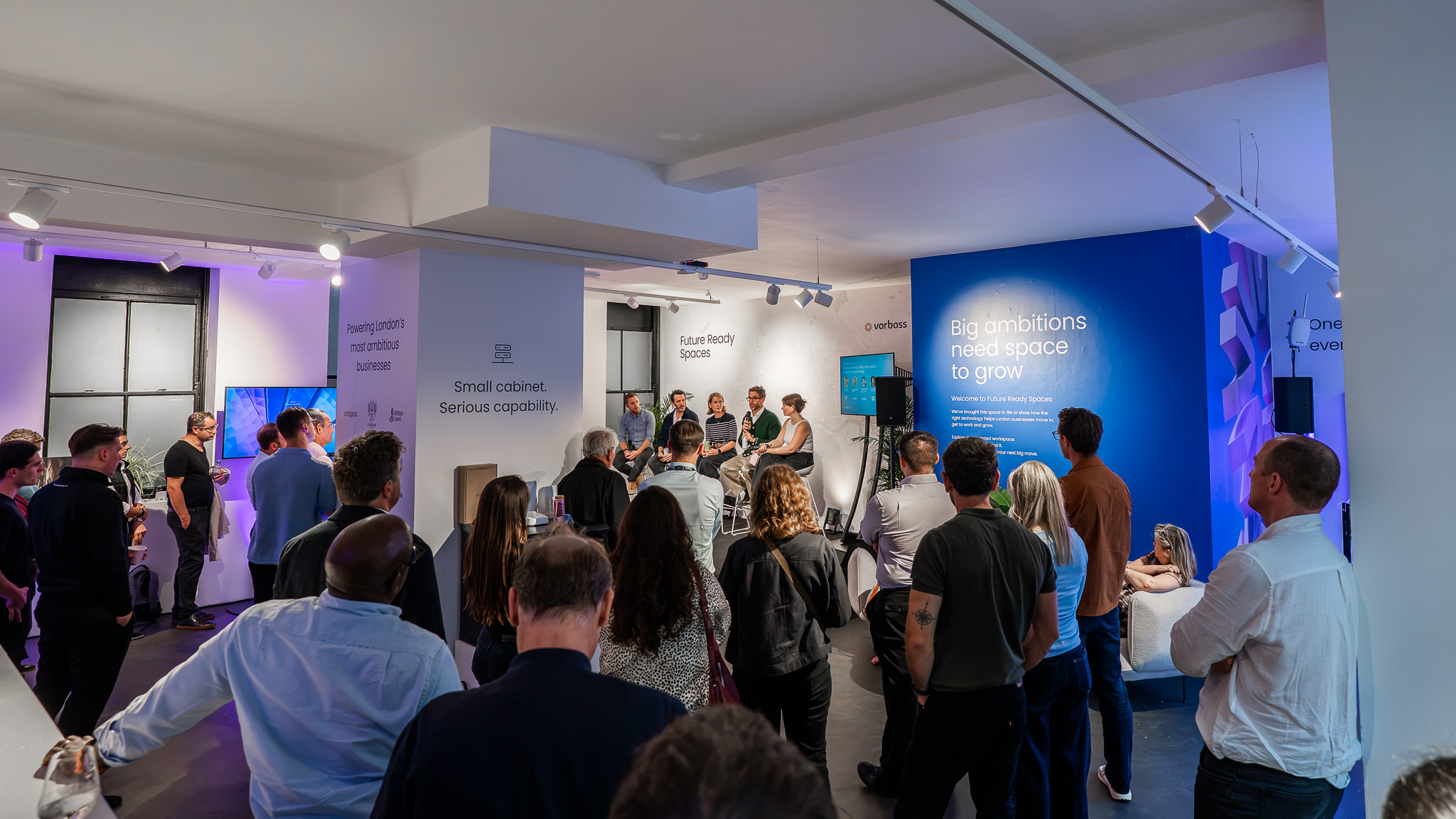
At our Future Ready Spaces panel, Margaret Wajnkaim, Content Marketing Manager at Vorboss, sat down with Elliott Winskill, Director of Technology Solutions at PMC, to explore how London's retail and hospitality businesses can deliver an exceptional experiences that build trust and loyalty.
Here's how their conversation went.
What's changed in what customers expect today compared with a few years ago?
Customers no longer think in channels. They expect brands to recognise them and know their history, wherever they interact.
Services like click & collect, live stock availability and hotels remembering guest preferences once set brands apart. Today, they're basic expectations.
Where have businesses fallen behind?
Many businesses have invested in customer-facing technology, but the systems behind it haven't kept pace.
"Customers never see your technology. They feel the inconsistencies in their experience."
says Elliott.
When stock, order and customer data aren't connected, it creates confusion, delays and a negative interaction with your brand. And with customers having less patience than ever, a frustrating encounter could be enough to stop them coming back.
.png)
How can you create an experience that will keep the customer choosing your brand consistently?
Customer data shouldn't just power marketing. It should give staff the information they need to deliver better service.
As Elliott explained,
“By empowering your people with live data, you’re giving them the tools to solve problems in real time.”
Imagine a customer returning an online purchase in store without a receipt. With access to connected data, staff can instantly find the order, process a refund and arrange a replacement.
No marketing campaign involved, just a great experience that builds trust and gives customers a reason to return.
.png)
How can businesses tell when to use AI and when customers need the human touch?
"Automate the routine, humanise the exception,"
says Elliott.
The key is understanding where customers experience friction. Follow their journey and identify where purchases are abandoned, payments fail or complaints build up.
Use AI and self-service technology to make simple tasks faster and easier, but keep human support within easy reach.
Where should businesses start when looking to improve customer experience?
It's simpler than businesses might think, says Elliott. You don't need to replace every system or invest in lots of new technology. Start by making sure your existing systems work together, with accurate, up-to-date information flowing between them.
Then pick one customer journey that needs improving, fix it, measure the impact and build from there. The same goes for AI. Without reliable, connected data behind it, even the smartest technology can only do so much.
Future Ready Spaces
A big thank you to everyone who joined us at Future Ready Spaces! It's been a brilliant two weeks of conversations exploring how technology can drive growth and support businesses across London.

.avif)