Moving with purpose: How an office relocation can become a competitive advantage


Key highlights
Planning an office move? Discover five expert tips on choosing the right space, strengthening workplace culture, avoiding unexpected costs and supporting business growth.
Beyond the location, lease negotiations and logistics of an office move lies a much bigger opportunity, one that many businesses overlook.
Think stronger culture, better collaboration, greater productivity and, most importantly, happier colleagues who genuinely want to come into the office.
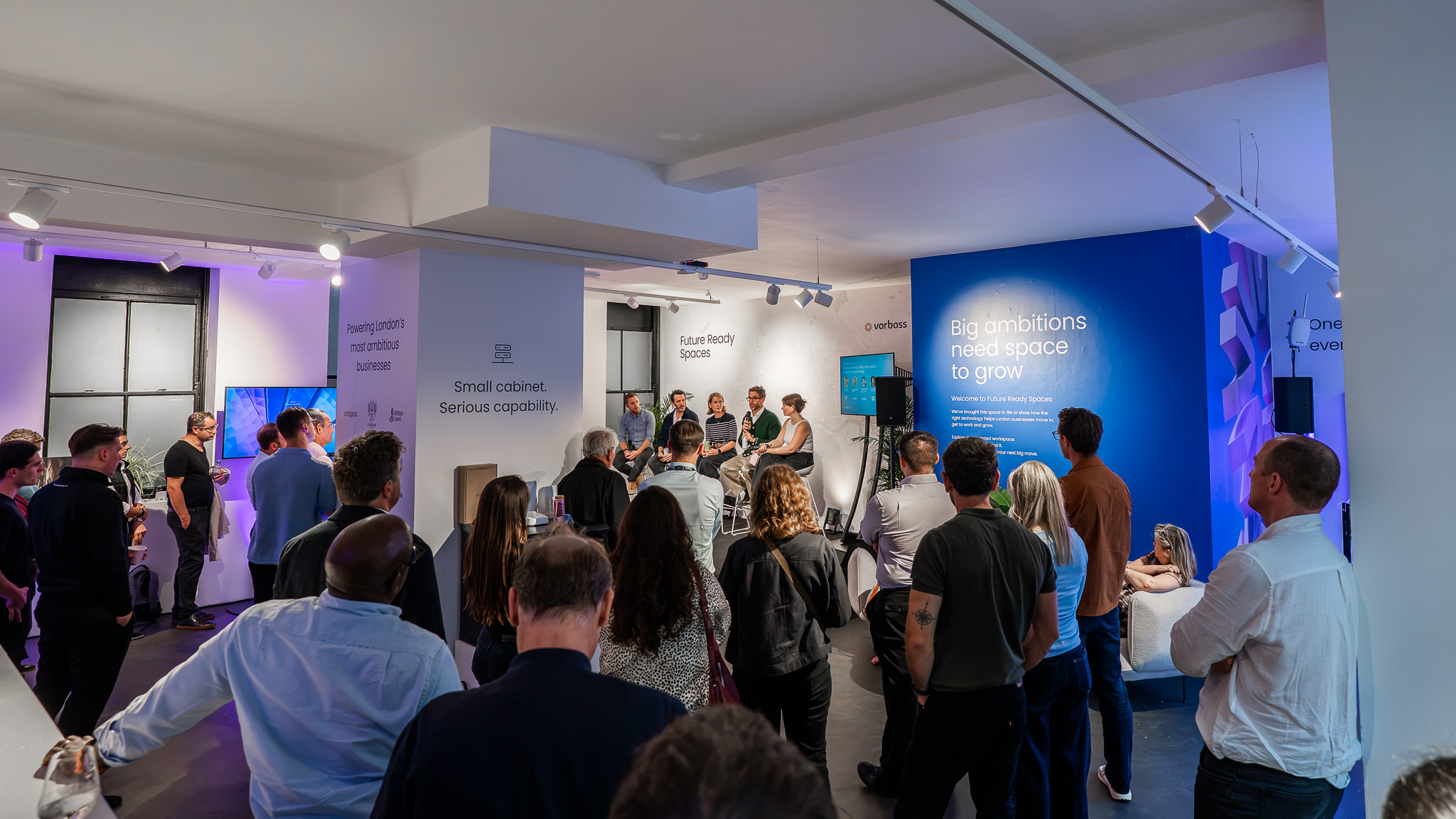
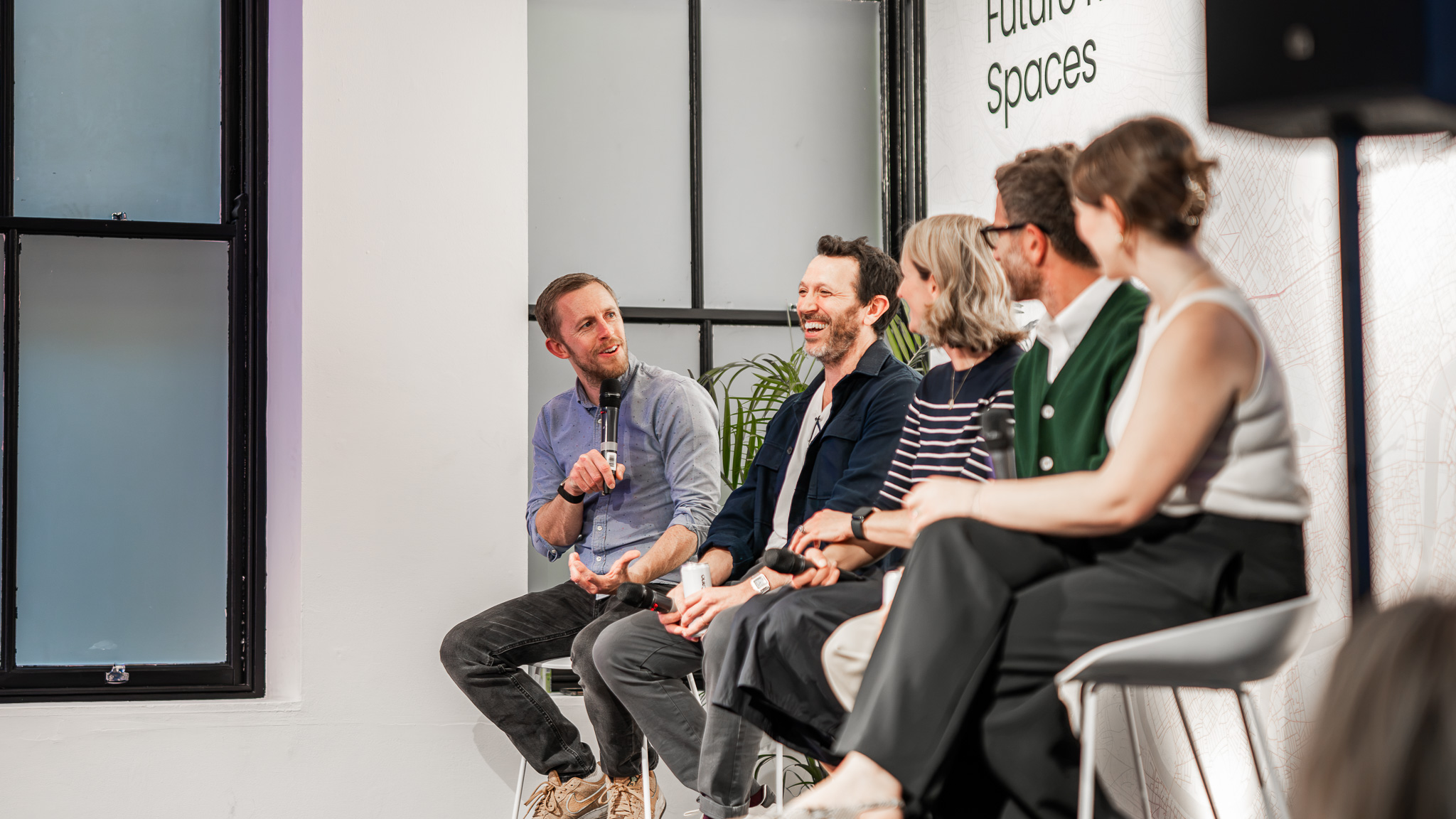
And because moving office is no small feat, we decided to get the experts in a room and gather their best tips, which we've carefully curated below.
Featuring:
- Shaun Simons, Founder, Compton
- Andy Heath, Co-Founder & CEO, Quarterback
- Katherine Harvey, Workplace Consultant, Rethink Workplace Group
- Clive Fogelman, COO, sub800
1. Start with what you want to achieve, not where you want to move
Before browsing Rightmove, Katherine, Workplace Consultant at Rethink Workplace recommends you ask yourself this: What do we want to do better as a business?
Keeping this at the forefront of making your decision will help you avoid unnecessary costs further down the line and ensure you find a space that powers your business ambitions.
2. It's like a buffet, it's important you understand what's on offer
"The amount of optionality in the middle is overwhelmingly positive."
Shaun, founder of Compton highlighted how London's office market for SMEs has evolved over the years, offering limitless choice in workspace types, contract lengths and levels of service, comparing it to a breakfast buffet! This is a great thing, particularly for smaller businesses that need flexibility as they grow.
Shaun also made the point that the property industry hasn't made navigating all this choice particularly easy. If you're speaking directly to someone advertising an office, you'll naturally only hear about what they're offering. That's why getting advice from someone who understands the wider market can be so valuable, especially if you're moving for the first time. You might discover an option you hadn't considered that suits your business better and saves you money down the line.
3. A beautiful office doesn't automatically create a great workplace culture
"Culture isn't about installing a pool table. It's about the people, how they behave and what the new space enables them to do." explained Andy, Co-founder & CEO, Quarterback.
A great workplace starts with understanding the culture you have and the one you want to create. Think about the behaviours you want to encourage, from better collaboration to stronger relationships between colleagues, and how the design of your new space can support them.
"It's a chance to re-establish your company's identity, strengthen its culture and create a springboard for the next stage of growth," said Clive Fogelman, COO of sub800.
After all, an impressive fit-out means very little if the space doesn't bring people together, enhance collaboration and drive that ambition.
4. Your CEO might not know best
Katherine made a particularly interesting point:
“A CEO doesn’t usually know how the people in the company work and move.”
So, before making big decisions, get the unfiltered truth from your colleagues. What works, what's annoying them and what would genuinely make them want to come into the office and collaborate?
5. Understand the full picture
From meeting room technology and internet connectivity to furniture and ongoing maintenance, it's easy to underestimate what getting a new workspace up and running involves.
Bring the right experts in early to scope out your requirements, get a clear picture of the costs, keep everything on track for moving day and make the tech switchover seamless.
What's our biggest takeaway? The opportunities for SMEs in London are endless; more choice, more flexibility and more ability to create a space where your people and business thrive.

.png)
.avif)