How building managers can strengthen their commercial proposition through cyber resilience


Key highlights
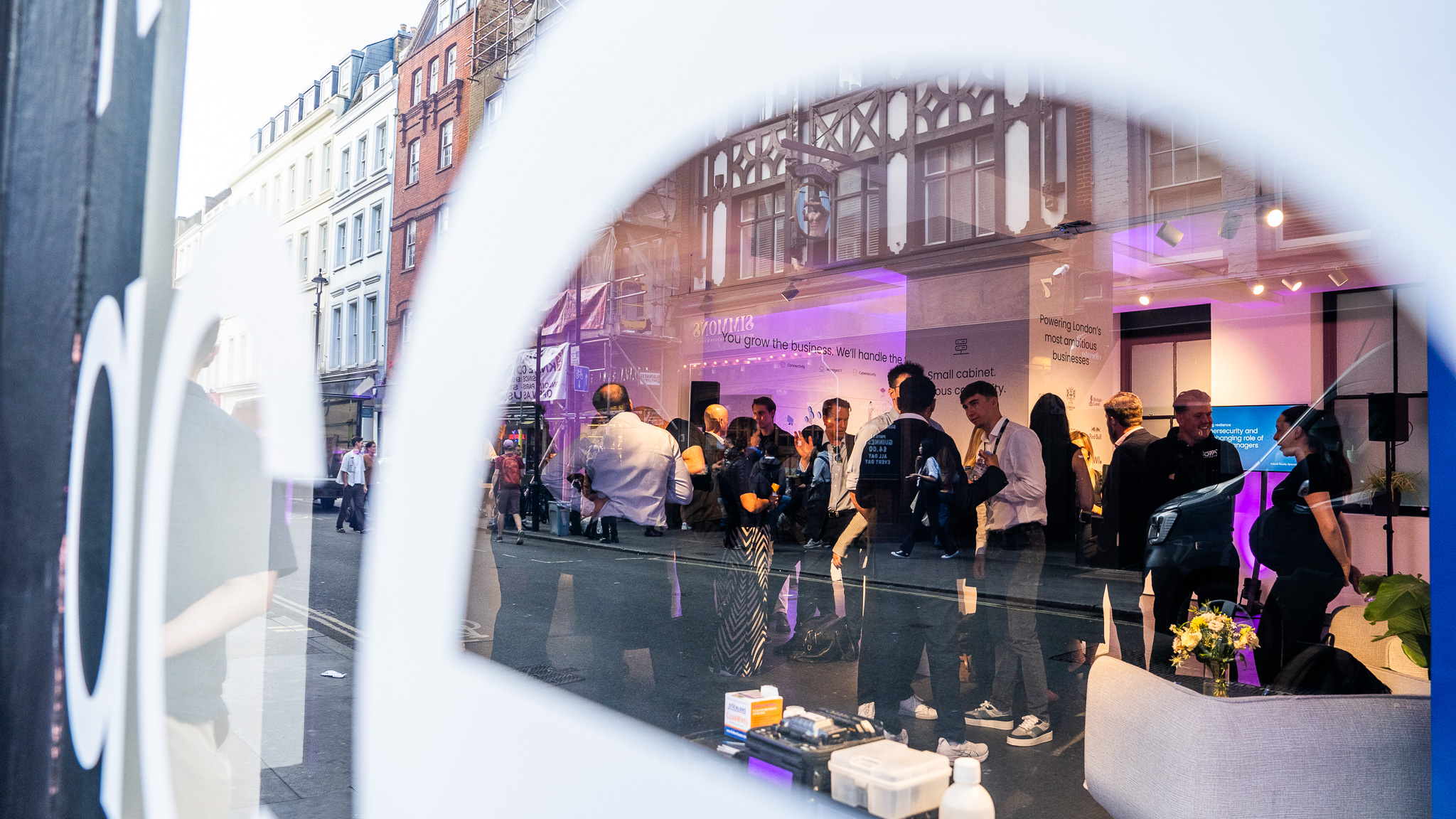
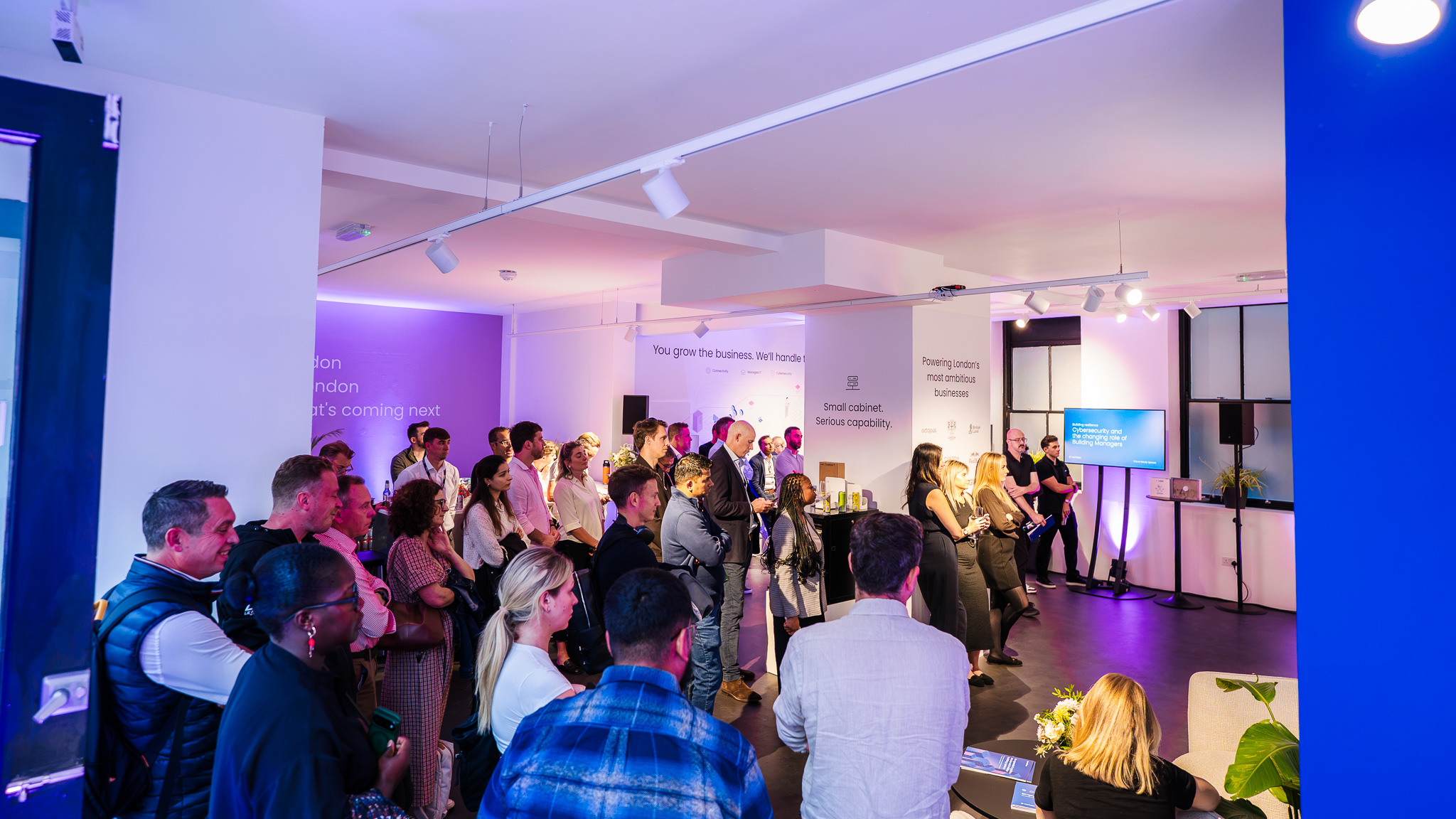
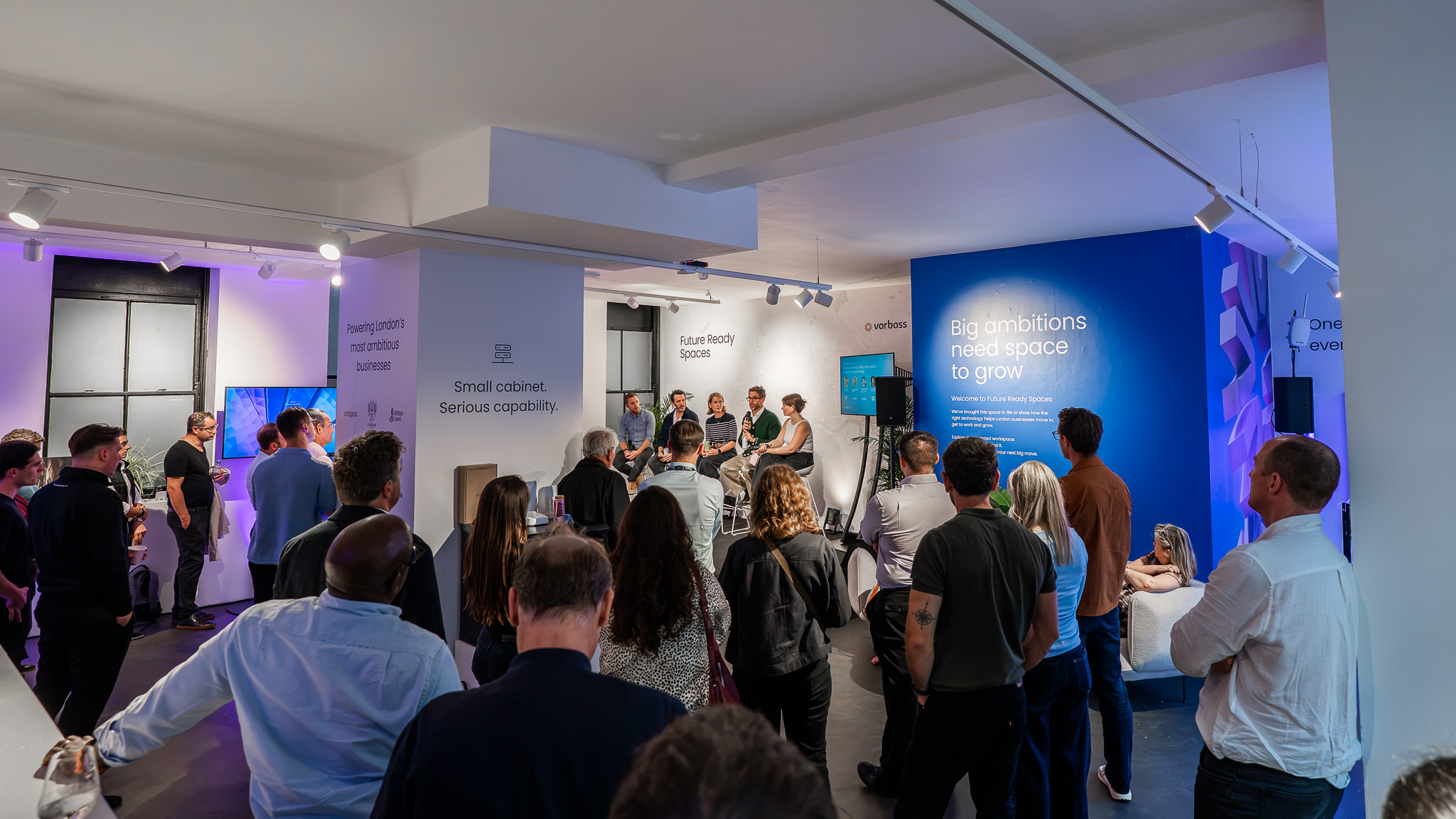
Cyber resilience is becoming an important part of how building managers meet rising occupier expectations and strengthen their commercial proposition. We brought together experts at Future Ready Spaces, our Soho panel series, to share practical ways to get ahead.
Building management systems, Wi-Fi, access control and CCTV are all standard technology in commercial buildings today.
But smarter technology doesn't mean it's safer.
So, as building systems advance and cybersecurity regulation raises expectations, how can commercial real estate developers and operators stay ahead of it all?
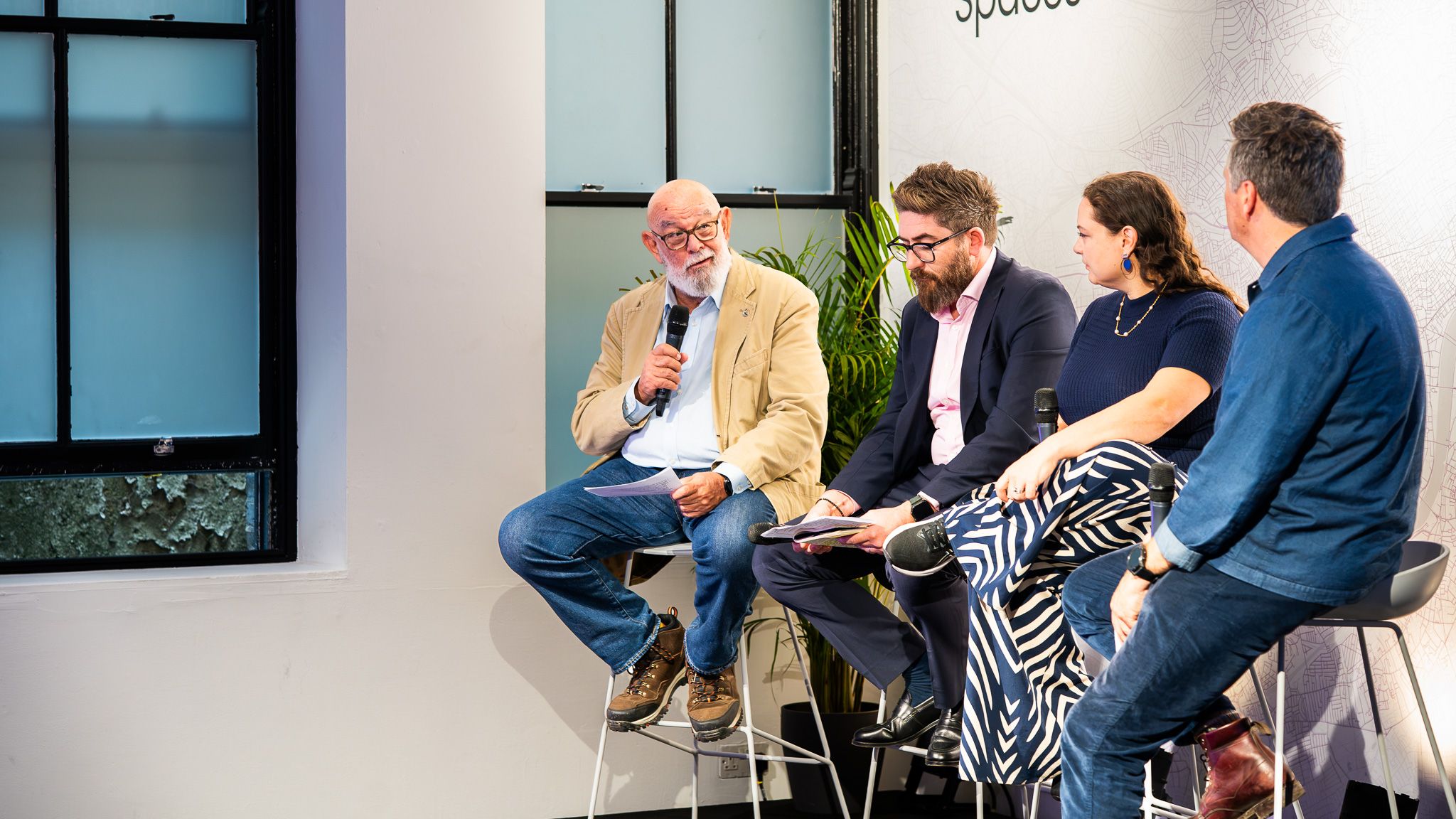
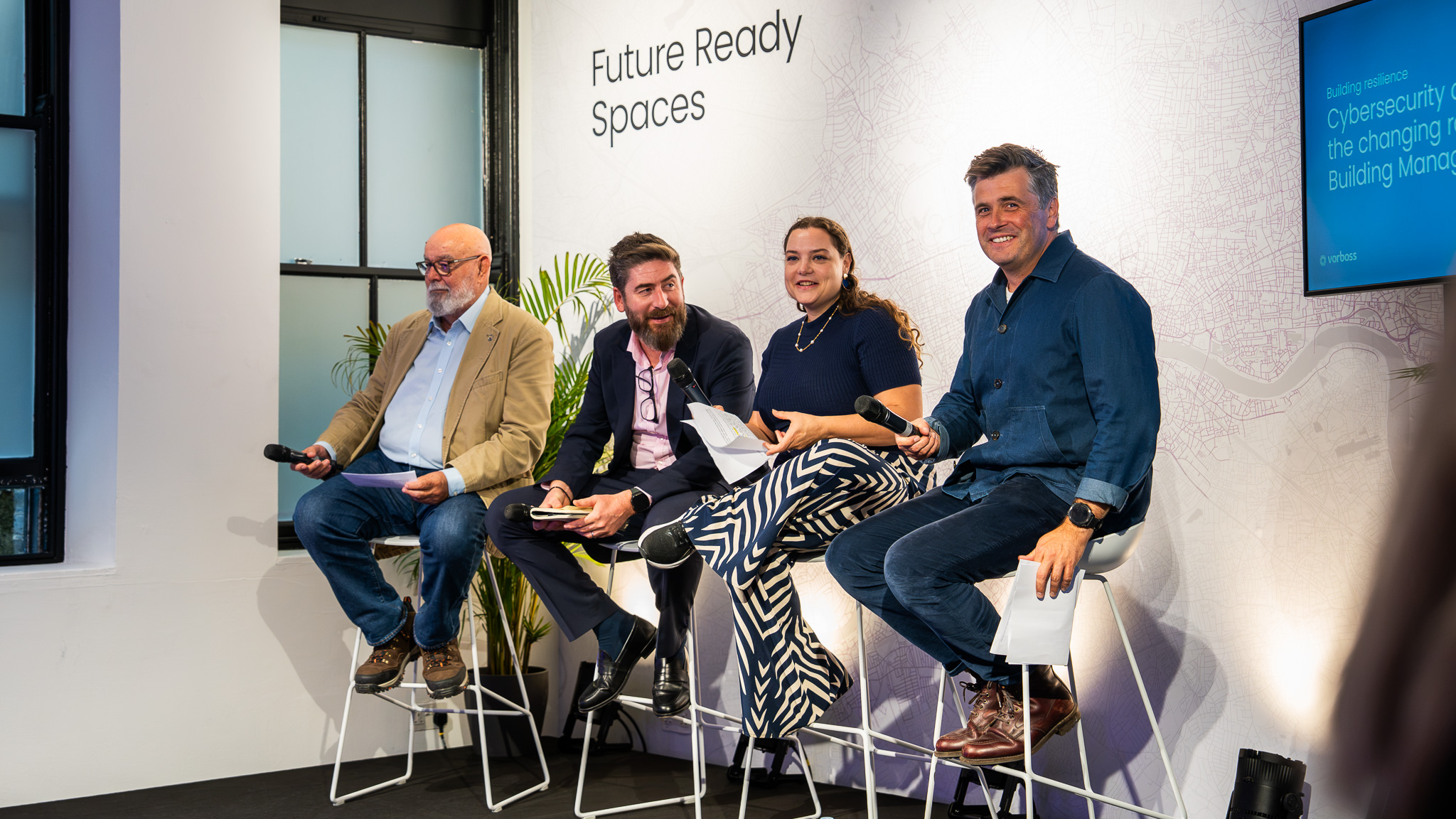
We hosted a cybersecurity panel to explore just that, featuring Bruce Braes, Head of Security Consultancy at Buro Happold, Sophie Hatch, Senior Estates Manager at Knight Frank Promise and Ian Kilvington, Principal Business Development Manager, Willmott Dixon.
Here's what we discussed.
From compliance to proposition
It's important to understand how cybersecurity regulation is changing. The Cyber Security and Resilience Bill will expand the UK’s existing cyber regulation to cover more of the digital services businesses rely on, including the digital infrastructure behind the spaces they operate from.
Not every commercial building will fall directly within scope, but landlords shouldn't wait for regulation to reach them before thinking about resilience. Tenants are already under growing pressure from customers, investors and regulators to demonstrate that they are secure. Increasingly, the building they occupy forms part of that picture.
Ian Kilvington made an interesting observation about where this is heading:
“Compliance won’t be a tenant issue, it’ll be a proposition to tenants.”
Cyber resilience will be key in creating building value, and it will truly differentiate your asset against the competition.
How your role as a building manager is changing
Tenants can’t run their businesses without a fully functional building, from internet connectivity and temperature controls to secure access. If even one of these systems stops working, the building could become inaccessible, critical equipment such as servers could be compromised and occupier operations could even come to a halt.
That's why tenants need confidence that your building's digital systems are protected. A truly cyber-resilient building is one where it’s clear who is responsible for managing each system, and there’s a plan to recover quickly if something goes wrong.
Cyber resilience: where do you start?
When asked where operators should start, Bruce Braes said:
“You can’t protect what you don’t know you have.”
As a landlord, you may have a clear view of the major systems you operate, but what about older technology, third-party suppliers, connected devices or systems installed later on?
Understanding what is connected, who can access it and who is responsible for keeping it updated is a fundamental part of keeping any building secure.
How do you prove to tenants that your building is resilient?
We're glad you asked. Our guide to secure and resilient building systems for landlords and operators covers the questions occupiers may ask, how to answer them, and the practical steps you can take to strengthen resilience across your estate.

Security improves the tenant experience
For Sophie Hatch, the conversation was not simply about reducing risk. It was also about the change in attitude and culture.
"Learning about cybersecurity can be daunting for anyone, but the buildings that will be picked over and over will be those that can adopt new technology in a way that genuinely improves the tenant experience, without creating unnecessary complexity or exposure."
Cybersecurity cannot sit separately from conversations about smart buildings, digital infrastructure or tenant experience. It needs to be considered from the beginning.
A safer building is one where tenants can operate more efficiently, enhancing not only their own experience but also that of their end customers. It's becoming part of what tenants expect from a well-managed, modern building.

.png)
.avif)