What do London's fastest-growing tech businesses want from their workspaces?


Key highlights
London's booming tech sector is creating new opportunities for commercial property. From major office deals to changing tenant expectations, we explore what growing tech businesses want from their workspaces and how landlords can get ahead.
London's tech scene isn't slowing down, and we love to shout about it!
With record levels of investment, global tech giants setting up offices and homegrown startups and scaleups expanding, there's plenty to be excited about. And for London's commercial property sector, that means growing demand for workspaces that can keep up.
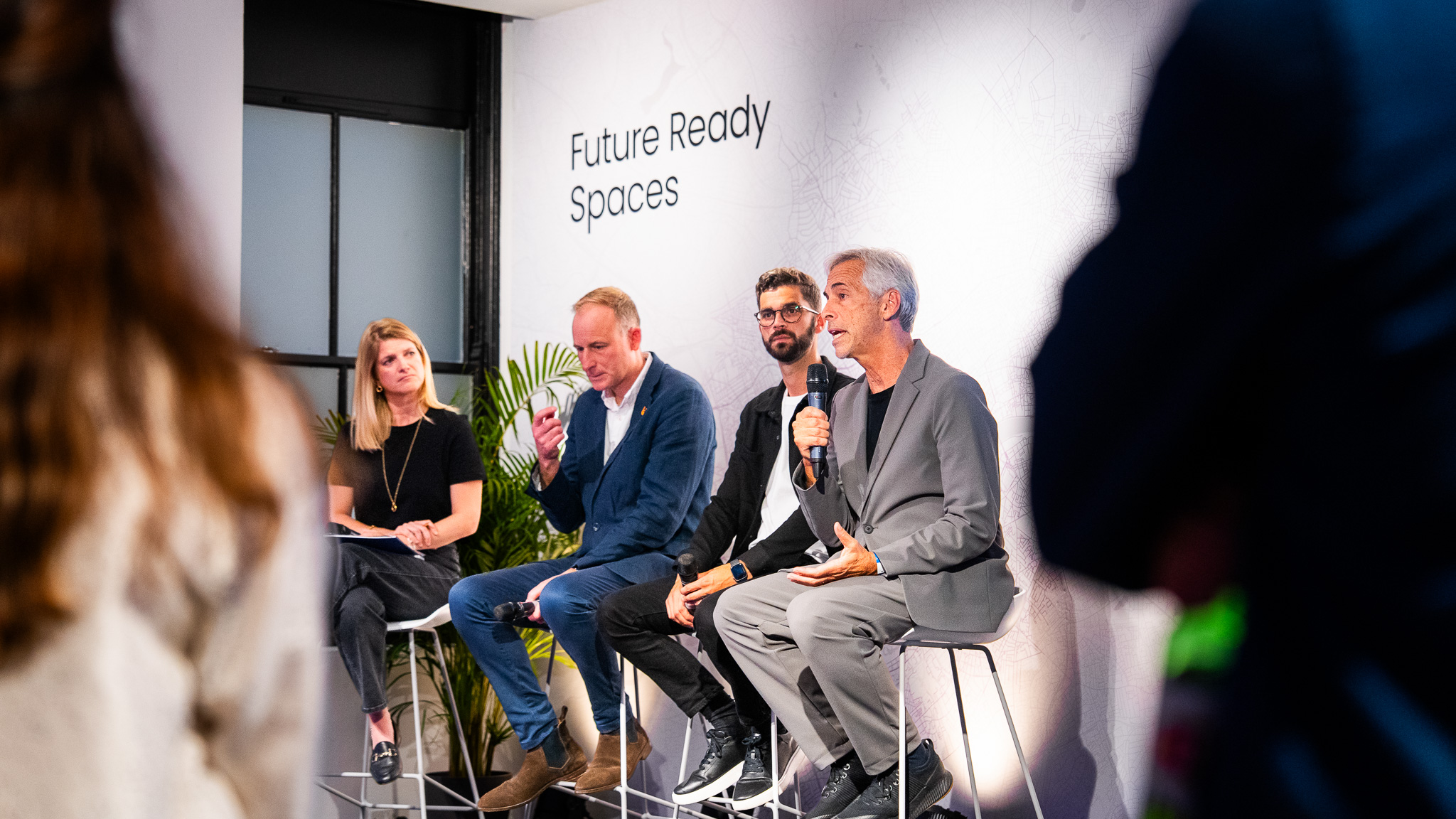
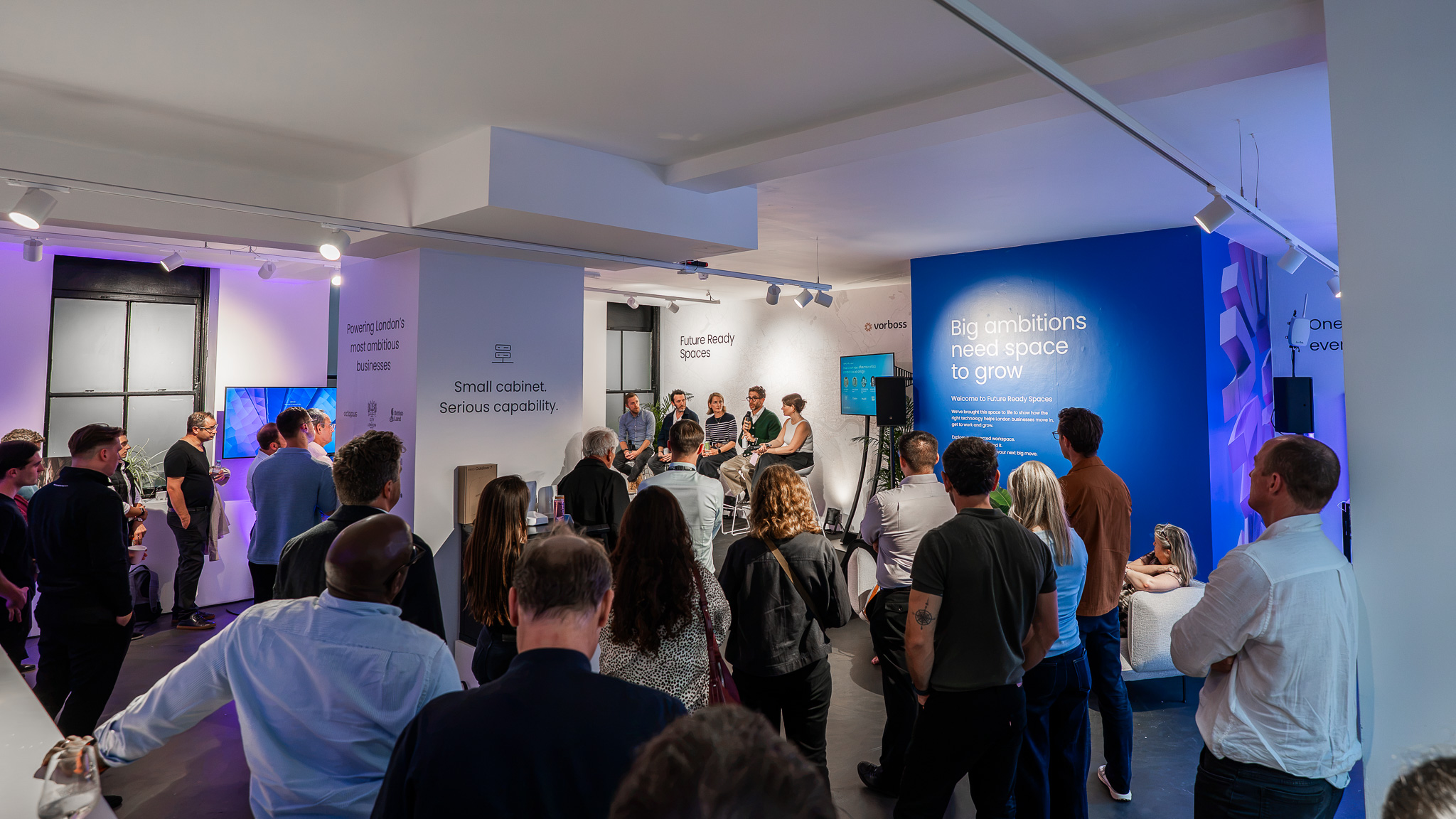
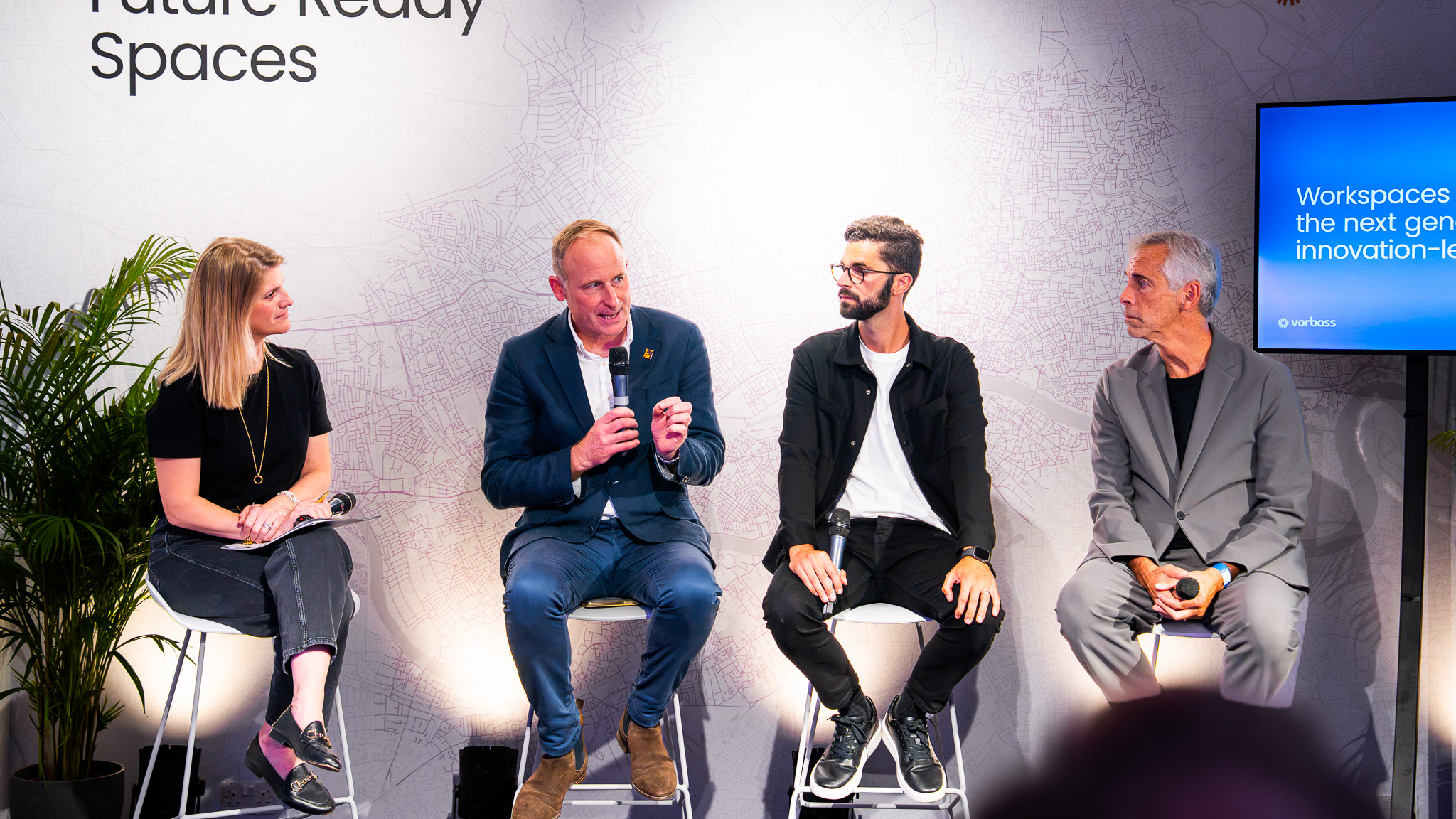
So, what are these businesses looking for? We brought together property leaders, technology experts and founders at Vorboss' Future Ready Spaces event series to explore how landlords, developers and operators can attract the next wave of occupiers.
Why is London a global tech hub?
London continues to attract investors, founders and talent from around the world. Here are some notable statistics from this year:
- $12.6bn of tech investment in the first five months of 2026, the third highest of any city globally and the highest in Europe.
- 152 unicorns call London home, including 12 new unicorns in 2026.
- 2,084 funded AI companies and 2,516 fintech companies are based in London.
And we're seeing this growth translating into demand for commercial space.
How is London's tech boom driving office demand?
Savills reports that tech and media businesses were the most active occupiers in Central London during the first eight months of 2026, acquiring 1.65 million sq ft of office space and accounting for 27% of total take-up. We've also seen some noteworthy deals happening.
In April 2026, OpenAI announced its first permanent London office, taking space across the Jahn Court and Brassworks buildings at Regent Quarter in King's Cross. Meanwhile, Anthropic secured approximately 158,500 sq ft at One Triton Square, near Euston.
Just a month earlier, in March 2026, Databricks secured 136,300 sq ft at Network W1, taking the entire office element of the development.
And more recently, the London Initiative for Safe AI (LISA) announced an 82,000 sq ft deal at TRIBECA in King's Cross, where it plans to create a dedicated hub for AI safety research and collaboration.
These are just a handful of examples and according to research from Cushman & Wakefield, they're part of a much wider trend, forecasting that AI businesses alone could generate another 3–6.4 million sq ft of London office demand over the next three years.
For landlords, developers and operators, this presents a significant opportunity. But attracting these businesses takes more than simply having office space available.
What do London's fastest-growing businesses expect from their workspaces?
"Speed is absolutely everything."
Said Michael Clark, Director, Growth & Client Development at CBRE, who works closely with fast-growing technology and AI businesses.
These companies want spaces where they can move in and get straight to work, with great amenities, high-bandwidth connectivity and the infrastructure they need already in place.
They also want flexibility. A business might start with a small team and need twice as much space just a few months later. But it's not just about the facilities.
Gavin Poole, CEO of Here East, highlighted four factors influencing where businesses choose to establish themselves:
"It's geography, it's power, it's connectivity, and it's who's around you."
As the CEO of one of London's major innovation campuses, home to organisations including Plexal and Sports Interactive, alongside leading institutions such as University College London (UCL) and Loughborough University London, Gavin sees firsthand the importance of creating spaces where businesses can connect, collaborate and grow.
Access to talent, research, customers and other ambitious businesses can be just as influential as the building itself.
How can landlords attract and retain these businesses?
1. Make it easy for businesses to move in
Having essential building services, furnished workspaces, meeting rooms, connectivity and security systems already in place can reduce setup times and make moving in much simpler.
2. Give businesses room to grow and change
Can a business expand into additional space without relocating? Can its internet capacity easily increase as its data requirements grow? Can its workspace adapt as teams and ways of working change?
Businesses may not know exactly what they'll need in two years' time. The more flexibility a building can offer, the easier it becomes for them to stay and grow.
3. Create opportunities to connect
Russ Shaw CBE, Founder of Tech London Advocates and Global Tech Advocates, highlighted how London's innovation clusters have grown beyond traditional hubs like Shoreditch and Hoxton.
"People like to be around others where they can bounce things off of them, or see what's going on."
Whether through shared spaces, events or partnerships, it's about creating an environment where businesses want to stay.
Looking ahead
London's technology sector is creating significant opportunities for the commercial property market. But the next generation of occupiers won't all look the same, grow at the same pace or have the same requirements.
The opportunity for landlords, developers and operators is to create buildings that make it easier for businesses to move in, connect with others and adapt as they grow. The most attractive workspaces will be those that support businesses long after they've signed the lease.