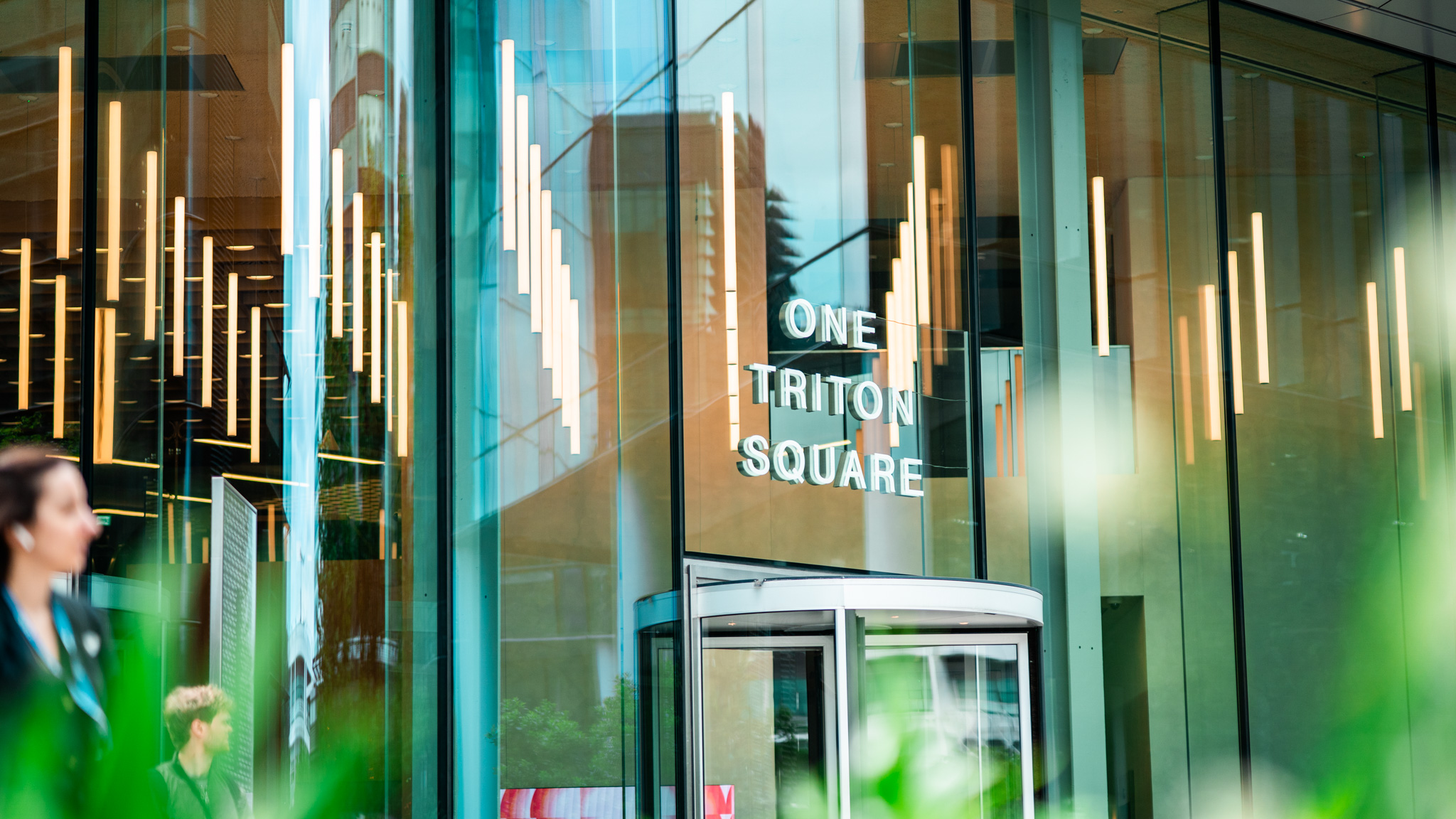
One Triton Square joins London’s best-connected buildings with Vorboss 100Gbps connectivity through British Land partnership
LinkedIn is introducing new verification features over the coming months to help tackle fake accounts.
The business-focused social platform is a fantastic place to connect with like-minded businesspeople, and to find new employees, jobs and opportunities.
But thanks to this popularity, we’re seeing an increase in fake profiles, created by scammers for more sinister purposes.
Bot-like accounts have been cropping up all over the platform. They’ve been spamming people, tricking genuine profiles into downloading malware, and scamming them into giving away personal data.
LinkedIn holds a huge amount of information on each of its members, including their job history, contact details, professional interests and places of work – all valuable data that a determined criminal could put to use.
These fake accounts can be hard to spot. They look like real people (sometimes they’re AI-generated deepfake images), they seem to work for legitimate businesses, and the profiles have been carefully curated to look like the real deal.
LinkedIn is making changes over the coming months to help tackle these fake accounts, by way of an improved account authentication process.
Microsoft, which owns LinkedIn, is partnering with secure identity platform Clear to help verify accounts using work email addresses, government-issued ID, and a phone number.
It’s initially only being tested in the US, but if it’s a success, we expect we’ll see a wider rollout over the coming months.
Once the relevant information has been provided, accounts will receive a verification mark, like the ones introduced by Twitter. However, unlike Twitter, LinkedIn will be offering verification free of charge.
We’ll keep you updated when we know more, but in the meantime, if you need help keeping all your accounts secure, get in touch.
Do you inwardly (or outwardly) groan at the thought of yet another video call?
They’re now a normal part of our working lives, but it doesn’t make them any more exciting.
Good news: Microsoft is introducing Metaverse-style avatars, called Mesh avatars, to Teams.
You’ll be able to design your own avatar, personalising its appearance, accessories, and even choosing its reaction gestures.
According to Microsoft, it’s common for us to feel stressed and exhausted after spending a long time on camera. So using a virtual representation of yourself to reduce that stress is just one application for these new avatars.
Better still, you won’t need an expensive virtual reality headset. It’s all done using the Avatars app that’s available in the Microsoft Teams app store.
Big tech is investing billions on developing the Metaverse – a 3D virtual world that mimics the real world. Within it you’ll find many of the things you’re already familiar with – shops, workplaces, and even social spaces. Some are predicting it will become ‘the new internet’ in the coming years.
It might seem wild to imagine a virtual world like this – but 20 years ago it was hard to imagine routinely having a mobile video calls with someone on the other side of the world!
Times change, and it’s really exciting.
Right now the new avatar feature is only available in the Teams preview build, but we’ll get a general release date soon.
Will you encourage your people to use personalised avatars in Teams? Want to find more ways to make work more fun for your team? We can help. Get in touch!
Microsoft has become the leader of productivity over many decades. Can you imagine doing your day to day work without their software?
So it’s no surprise the tech giant recently conducted a major new survey into productivity in the workplace – and some of the results might surprise you.
Researchers surveyed 20,000 people working for businesses in 11 different countries.
They discovered the majority of bosses don’t believe their employees are as productive when working from home.
In fact, four out of five employers said they thought their people got less done when working remotely.
On the other hand, a massive 87% of staff felt they were MORE productive when working from home.
How is there such a big disconnect?
Microsoft boss, Satya Nadella blames what he calls “productivity paranoia”. What that means is a gap between what employers expect from their people, and what employees feel.
Maybe some bosses want to go back to the way we worked before 2020… but their people prefer the flexibility of today’s hybrid working.
There’s a lot to gain from less commuting and a better work/life balance.
We believe bosses need to communicate better with their people. Yes that’s about setting clear expectations and giving feedback if they feel people aren’t performing properly.
But it’s also important to make sure your team have the right tools and technology to allow them to get things done, no matter where they’re working.
Are their devices suitable for the job they’re doing? Do they have the right applications to communicate effectively and collaborate on projects?
Take the time to discuss the tools and technology you’re using with the people who use it every day.
You should also demonstrate how much you trust and value your people. In the long-term you’ll be rewarded with a loyal and productive team.
Need a hand finding the right tools and tech for your specific kind of business? We can help – just get in touch.
We all use our phones for a lot more than sending messages and making the occasional call.
And that means most of your staff are probably using their personal mobile for work now and then. Everyone does it.
The downside of this is it puts your business data at risk. If it can be accessed on a personal mobile and that device gets breached, that’s a risk.
That’s why the upcoming Android 13 is big news for businesses.
Google’s released more information about the new features on its latest operating system for mobile devices.
There are many features aimed at keeping business data safe and secure, while also helping your people maintain a good work/life balance.
We’re already able to create separate work and personal profiles on our Android devices. This new update makes managing these profiles even easier.
For example, your team can choose which profile they open their apps in.
Let’s say they had to watch a training video for work. They can set their phone to open it in the browser rather than the YouTube app, so it doesn’t affect their personal viewing history (and therefore suggested videos).
IT admins will benefit from more control over how business devices are used. They’ll also be able to monitor security logs for Wi-Fi, Bluetooth and passwords. And install security patches faster.
But it’s not all about the control that admins have over work-issued devices. Your employees will benefit from having their data encrypted while using their personal profile.
There will also be separate photo galleries for business and personal photos; an improved Lost Mode to lock and locate lost devices; and end-to-end encryption when using the new ChromeOS integration feature.
If you have a Google device you should already have access to Android 13. Other Android devices can expect to receive the update in the coming weeks.
If you want to talk through the best way to manage mobile devices for your business, get in touch.
You could be losing a full-time working week for every member of your team, thanks to the hassle of setting up video calls.
Video conferencing has revolutionised team meetings, and saves a huge amount of travel time. But we’re still not getting the full benefit from the new technology, according to new research.
Employees aged between 18 and 24 take up to 10 minutes to get set up for each remote meeting.
Times that by a typical five meetings a week, and it’s suddenly lost you 40 hours every year. That’s a whole working week of wasted time – a figure that gets even higher when you look at older age brackets.
It isn’t necessarily a result of differing technological know-how. The research shows that employees blame the tech itself for the loss of productivity.
Almost a third of people said they didn’t have the right tools for the job, and 23% even said they felt excluded from remote meetings thanks to inadequate tech.
Employees often feel that the audio-visual (AV) technology they’re provided for remote and hybrid working simply isn’t up to the job. That means poor microphones that don’t play ball, jittery webcams that interfere with communication, or the wrong choice of video calling software. All that makes meetings harder to set up and causes them to take longer than they should.
Despite this, businesses that offer remote and hybrid working are reaping the rewards in many other areas, including staff engagement and performance.
But there is a solution.
Assess your employees’ AV technology to make sure their tools are not slowing them down – new webcams and microphones could be a cheap and simple fix.
It’s also a good idea to ask your employees to find out where they see that problems are occurring. If they are finding your existing system difficult to use, or slow to log in to, you should consider alternative options or better training.
If this is something that’s slowing you down, we can help – just get in touch.
When you think about tools for remote working and chatting online, one of the first names in your mind is Zoom.
But its popularity has opened the door for cyber criminals. They’re using its name to steal sensitive data.
Researchers have discovered at least six convincing-looking download sites. They’re not the real thing. They’re designed to tempt you into downloading FAKE Zoom software, containing ‘info stealers’ and other forms of malware (malicious software).
Accidentally use one of these sites thinking that you’re downloading a Zoom update… and you risk having sensitive data stolen. Possibly your banking info, passwords or browser history.
Some can even steal your multi-factor authentication details. That could give cyber criminals access to your most sensitive data.
The research also found these ‘stealer logs’ for sale on the dark web, where criminals can buy this information and use it to gain access to business networks.
Once a cyber criminal has access to your network, every piece of data you have stored becomes a target. In extreme cases, this can leave you vulnerable to ransomware attacks, or data theft.
While these fake sites can be incredibly convincing, take these simple steps to avoid being fooled.
- Before you download the Zoom application (or any application), double check the address of the website you’re on. Is it what you’re expecting? If you clicked an email to get to that site, are you 100% sure it’s from the real company?
- Study the rest of the web page too, looking for anything that doesn’t ring true, such as spelling mistakes or a clunky layout.
- Make sure your security software is up to date and is actively scanning for malware and suspicious downloads.
- Have a plan to roll out this advice across your business.
If you need any help or advice to keep your business protected from malware and other security threats, get in touch.
Latest from the press room
London, UK, 13 August 2026:
Vorboss, which owns and operates London’s dedicated business fibre network, has connected One Triton Square at Regent’s Place with 100Gbps connectivity, delivering exceptional digital capacity to one of the capital’s most exciting new destinations for science, technology and innovation.
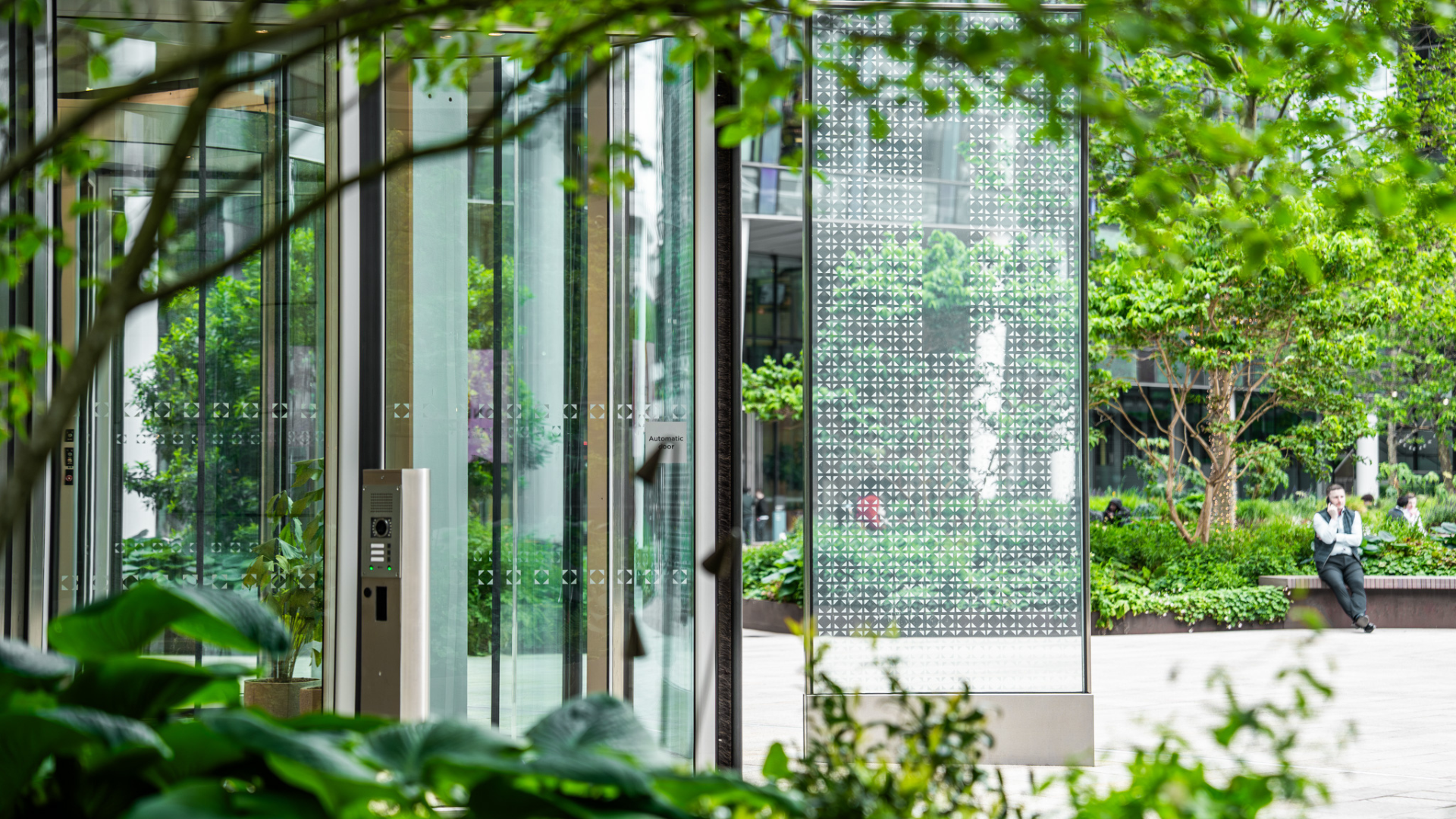
The flagship British Land and Royal London Asset Management building provides more than 300,000 sq ft of purpose-built space, bringing together fitted laboratories, flexible workspace, premium dedicated offices, and shared meeting and event space.
Located in the heart of London’s Knowledge Quarter, One Triton Square is designed to support ambitious businesses at every stage of growth. Flexible floorplates, advanced digital infrastructure and exceptional on-site amenities create an environment where emerging organisations can scale alongside established global leaders. It is workspace built for collaboration and long-term success.
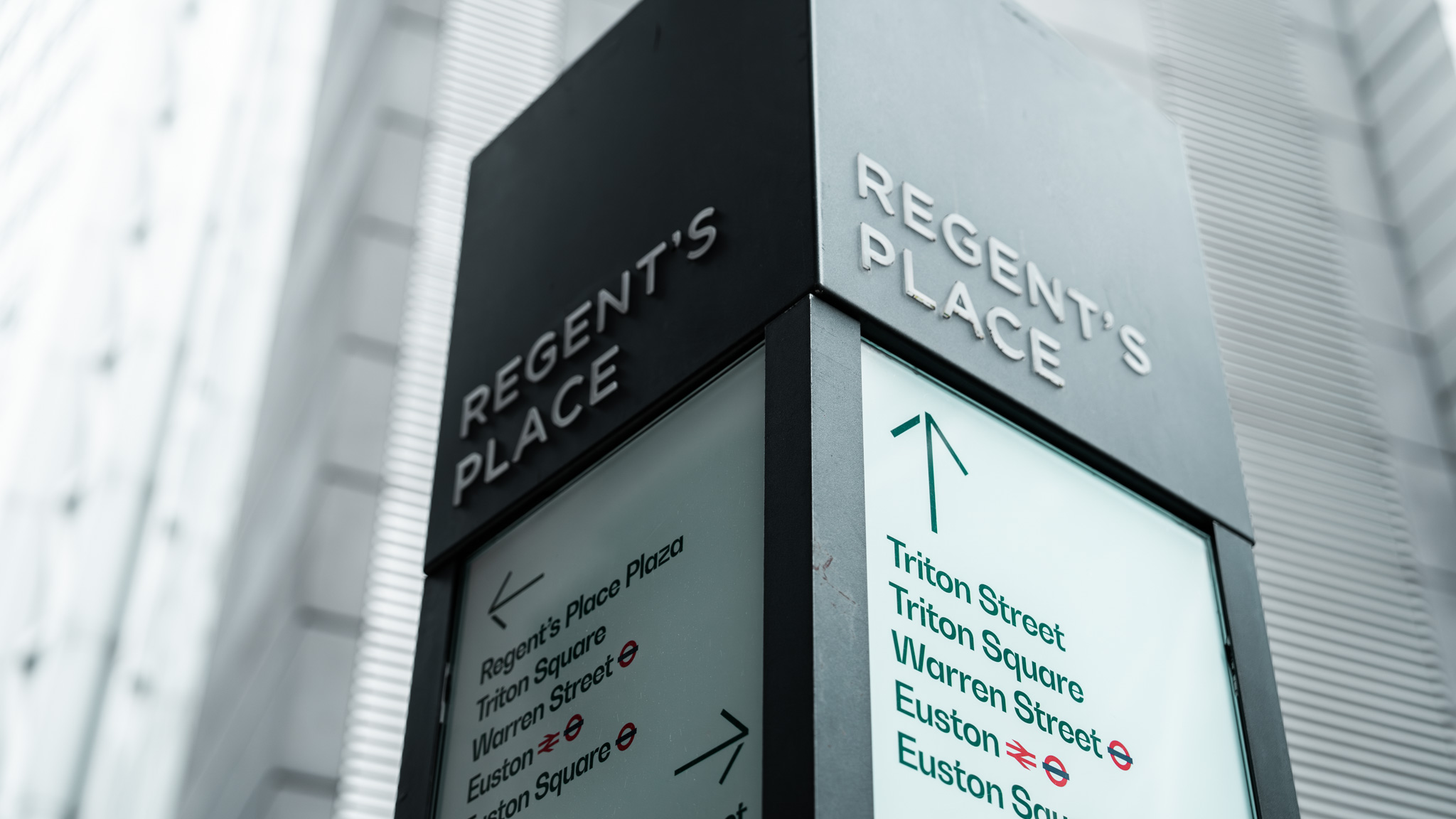
100Gbps is independently available on each floor, providing the capacity occupiers need to support increasingly data-intensive work and emerging technologies. The 100Gbps connection further reinforces One Triton Square’s position as a future-ready commercial destination.
Rhod Morgan, Co-CEO, Vorboss adds:
“Connecting One Triton Square with 100Gbps gives its occupiers the capacity they need not only for the way they work today, but for the technologies and opportunities that come next. It perfectly complements the vision British Land and Royal London Asset Management had for the building – a space designed around the needs of ambitious, innovation-led organisations”
“One Triton Square sits at the centre of London’s science and technology ecosystem, and we’re incredibly proud to be providing the infrastructure it needs to thrive.”
Simon Hepher, Head of Asset Management, Regent’s Place and Innovation Assets, British Land:
“One Triton Square is a landmark new building at the heart of Regent's Place, designed to support ambitious businesses at every stage - from agile start-ups to established global leaders. Alongside best-in-class laboratories, workspace, and offices, the building will now also offer some of the best digital connectivity in London, with 100Gbps providing occupiers the capacity they need for increasingly data-intensive work as they scale and grow.”
Mark Carroll, Property Development Director, Royal London Asset Management:
“As a long-term investor, we are focused on creating places where businesses can thrive. This investment in digital infrastructure further enhances One Triton Square's appeal to science, technology and innovation-led occupiers and supports its long-term success.”
The connection at One Triton Square forms part of Vorboss’ commitment to ensuring London has the serious digital infrastructure required to remain a leading global centre for business, science and technological innovation.
Ends.
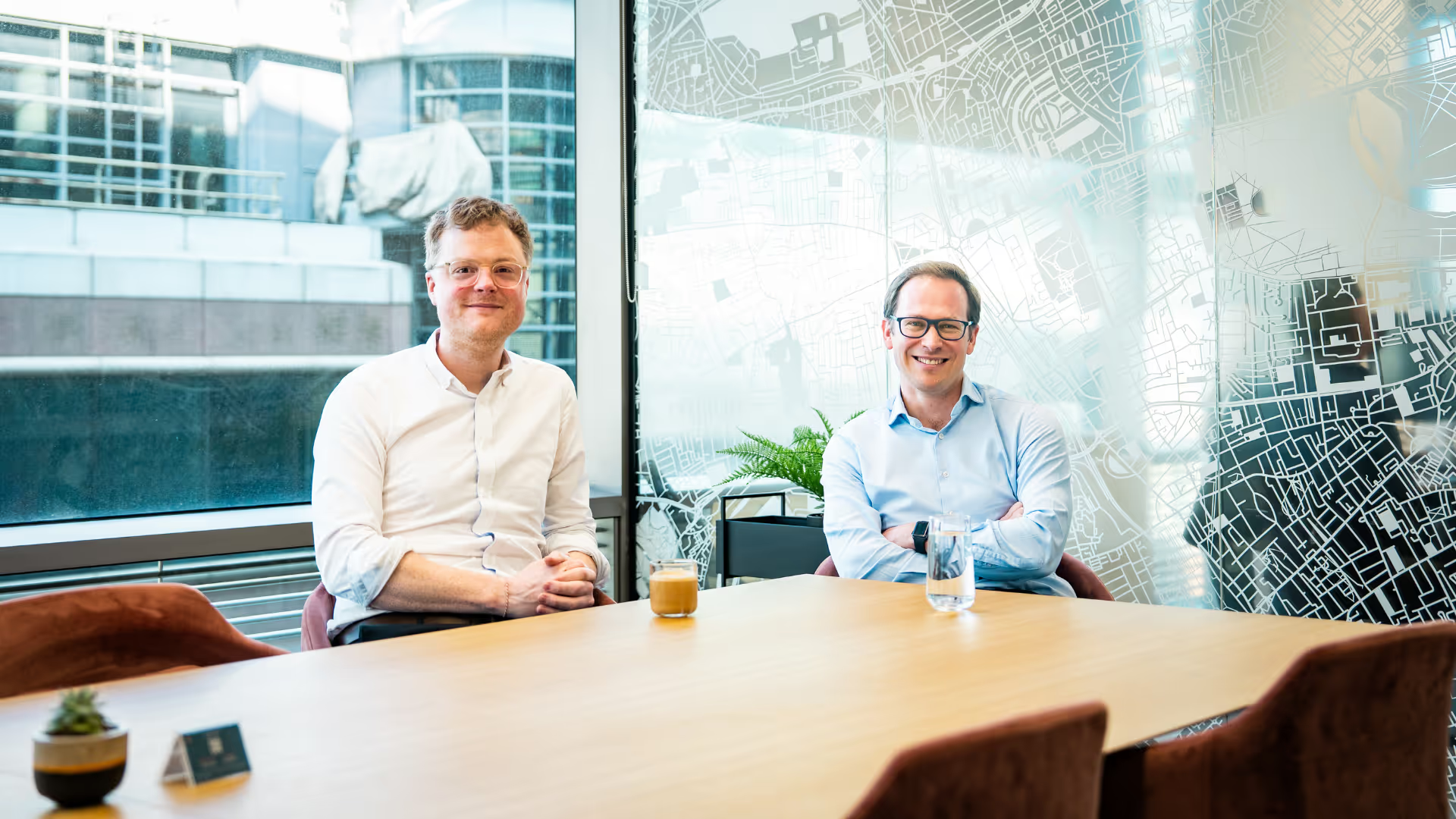
The experience driving our growth
David has been central to our success as our Chief Financial Officer. Drawing on his experience at Zayo Group and RBC Capital Markets, he brings strong insight across large-scale infrastructure, investment banking and managed services. As our CFO, he’s been instrumental in shaping a commercial model that supports businesses as they grow, giving our customers the certainty and simplicity they expect.
Rhod has played a pivotal role in operations at Vorboss since 2020. He led the build of our network, now spanning over 900 km, and has raised industry standards across quality and efficiency, making sure our customers have a flawless experience. With previous roles at companies like Arup and WeWork, Rhod understands the complexity of London commercial real estate and knows exactly what it takes to deliver world-class technology in a fast-paced city.
The next chapter
Under David and Rhod’s leadership, we are doubling down on our commitment to keep things simple for our customers and remain the transparent, accountable provider ambitious businesses rely on as they grow.
“Vorboss is on path to becoming one of the UK’s leading B2B connectivity and managed service providers,”
says Adam Dunlop, Operating Partner at Octopus Capital and Chair of the Vorboss Board.
“With David and Rhod’s leadership, and the strength and commitment of the team across the business, I am genuinely excited about what lies ahead.”
Vorboss is part of the Fern Trading Group, managed and advised by Octopus Investments. This partnership, backed by £250million in funding, enabled us to build an independent, 100Gbps London fibre network and connect thousands of businesses across the capital. Having expanded our offering with a range of cybersecurity and managed technology solutions last year, we continue to do things differently by delivering everything end-to-end through our in-house teams.