One Triton Square joins London’s best-connected buildings with Vorboss 100Gbps connectivity through British Land partnership
AI chatbots have taken the world by storm in recent months. We’ve been having fun asking ChatGPT questions, trying to find out how much of our jobs it can do, and even getting it to tell us jokes.
But while lots of people have been having fun, cyber criminals have been powering ahead and finding ways to use AI for more sinister purposes.
They’ve worked out that AI can make their phishing scams harder to detect – and that makes them more successful.
Our advice has always been to be cautious with emails. Read them carefully. Look out for spelling mistakes and grammatical errors. Make sure it’s the real deal before clicking any links.
And that’s still excellent advice.
But ironically, the phishing emails generated by a chatbot feel more human than ever before – which puts you and your people at greater risk of falling for a scam. So we all need to be even more careful.
Crooks are using AI to generate unique variations of the same phishing lure. They’re using it to eradicate spelling and grammar mistakes, and even to create entire email threads to make the scam more plausible.
Security tools to detect messages written by AI are in development, but they’re still a way off.
That means you need to be extra cautious when opening emails – especially ones you’re not expecting. Always check the address the message is sent from, and double-check with the sender (not by replying to the email!) if you have even the smallest doubt.
If you need further advice or team training about phishing scams, just get in touch!
Our phones are a goldmine of private information. Just think of all the financial details, personal messages, banking apps, photos and contact information that live behind that little glass screen.
And if your team use phones for work, they’ll often have access straight into company systems – email, contact lists, network access, file systems. So if they’re not kept as secure as any other device in your workplace, they can become a gaping hole in your cyber security.
Criminals know this, of course, which is why they target us through our phones just as much as they do through our networks and servers.
But cyber crime isn’t the only concern. Just losing your phone, or having it stolen, can put your data at huge risk.
So, whether you issue company smartphones, or your employees use their own, you should make sure everyone implements some simple security steps to protect your data and avoid disaster.
Start with making sure your people set up a PIN and a biometric login (like a fingerprint or face scan) to open the device.
Only install apps from trusted sources to make sure you’re using genuine software.
And enable Multi-Factor Authentication on all apps that store even a small amount of sensitive data.
Be careful about where you connect to Wi-Fi. If you work remotely or often connect to public networks, consider using a VPN – a Virtual Private Network – to add another layer of security. You never know who’s monitoring traffic on a public network.
Finally, ALWAYS make sure your phone is running the latest version of its operating software, and keep all apps up to date.
Smartphones have changed so much about the way we live – at home, and at work – but it’s too easy to take them for granted. And that could be a costly mistake.
If you need help to keep your smartphones safe, just get in touch.
Have you ever tried to buy tickets for a huge event and found that the seller’s website has collapsed under the weight of thousands of people all trying to do the same thing at the same time?
The ticket site falls over – usually temporarily – because the server is overloaded with traffic it doesn’t have the capacity for.
Criminal Distributed Denial of Service attacks – DDoS, for short – exploit the same principle.
When a DDoS attack targets a business, it floods it with internet traffic in an attempt to overwhelm the system and force it to fail.
This results in the business and its customers being unable to access services. That may trigger a temporary failure, or it could be more serious. Last year, the average DDoS attack lasted 50 minutes.
That may not sound like a long time, but it’s enough to create angry customers, or to bring business to a grinding halt. And downtime can be costly.
The really bad news is that DDoS attacks are not only lasting longer, but they’re becoming bigger, more sophisticated and more common.
Recently, the biggest ever reported DDoS attack was reportedly blocked. At its peak, it sent 71 million requests per SECOND to its target’s servers. Prior to that, the biggest reported incident stood at 46 million requests per second.
Worse still, more businesses are reporting being targeted by DDoS attacks where criminals are demanding huge ransoms to stop the attack.
What does this mean for you?
It’s important you check all your security measures are up-to-date and working as they should be. Are your firewalls up to the task, with DDoS monitoring and prevention tools set up? And is your team fully aware of the importance of staying vigilant?
We can help make sure your business stays protected. Just get in touch.
To protect your home from an intruder you make sure your doors and windows are all locked and secured. You might go further: build a fence around the perimeter, perhaps even get an angry-looking dog to stand guard.
But there’s no point going to all that effort if someone’s already broken in and set up camp in the basement.
Yet that’s the security policy of thousands of big businesses trying to protect their data from cyber criminals.
They do many of the right things. They invest in security software. They take a strong, multi-layered approach to security – including all the things we recommend, like multi-factor authentication, encryption, reliable backup systems and staff training.
But they don’t pay enough attention to detection and response. That involves constantly scanning systems for any sign that a crook may have gained entry somewhere, and having a process to stop an attack in its tracks.
A new study shows that only a third of businesses place detection as their main priority, while two thirds say prevention is their primary focus.
That means, they could be building 10-foot walls around their systems with intruders already inside.
In-house security teams might be super-confident in the security measures they’ve put in place. But the data suggests that they’re being too complacent. The study reveals that more than eight in ten businesses experienced more than one data breach last year – even with good security in place.
Criminals are constantly finding ways to evade security. That tells us that we need to take a rounded approach, with strong prevention AND detection policies providing the best protection against today’s determined criminals.
If you need world-class security, get in touch today!
If we talk about ‘bots’ you’d be forgiven for thinking of the amazing AI chatbots that have been all over the news lately.
But this isn’t a good news story. Bots are just automated programs, and bot malware is a worrying new security risk you need to defend your business against.
Malware bots are particularly dangerous because they steal whole user profiles – that’s a complete snapshot of your ID and settings. This potentially allows cyber crooks to bypass strong security measures like Multi-Factor Authentication (MFA).
Usually, if a criminal steals your username and password, they still can’t access your account because they don’t have access to your MFA authentication method. But with your whole profile available to them, using your cookies and device configurations, they can trick security systems and effectively switch off MFA.
Once profile information is stolen, it’s sold on the dark web for as little as £5.
And it’s not even super-sophisticated cyber criminals deploying this technique. Just about anyone can obtain your details and use them for phishing emails, scams, and other criminal activity.
Since 2018, 5 million people have had 26.6 million usernames and passwords stolen, giving access to accounts including Microsoft, Google, and Facebook.
All this means there are things you need to do – right now – to keep your profiles and your business protected from bot malware.
- Update your antivirus software and keep it on at all times.
- Use a password manager and Multi-Factor Authentication to keep your login credentials safer
- And encrypt all your files so that, if anyone does access your profile, there’s very little to steal.
These are the things we help our clients with every day. If we can help you, just get in touch.
Cloud computing has quickly become a popular option for businesses that want to streamline their operations, reduce costs, and become more flexible.
But are you swayed by the idea that cloud services are automatically better for the environment? Could the need to do your bit ‘cloud’ your decision-making?
Sorry. Bad pun.
It’s true that cloud services have environmental benefits compared to using your own servers. These include reduced energy consumption and a smaller carbon footprint.
Yet you shouldn’t view the cloud as a “green solution” without fully understanding the environmental impact.
One consideration of using cloud services is the location of the data centres where servers are housed. Some providers have made commitments to use renewable energy, but it’s not a guarantee. It is essential to do your research and choose a provider that sources renewable energy and uses energy storage where possible.
When thinking about switching to the cloud, there are other benefits besides environmental sustainability. They include improved data security, ease of collaboration, and scalability as your business grows.
Another key advantage of cloud computing is data backup and recovery.
With all your data stored in the cloud, the risk of data loss due to equipment failure, damage, or theft is virtually eliminated. It means that in the event of an unforeseen disaster, like a fire or natural disaster, you can rest assured your data is safe and can be quickly recovered.
Cloud computing also enables better collaboration and communication, helping your team to work together more easily and efficiently, no matter where they’re working from. This can increase productivity and reduce your costs in comparison to maintaining traditional on-site systems.
Finally, cloud services provide better scalability as you grow, with the ability to increase storage and processing power as needed.
Can you see the benefits of cloud computing are huge? It’s why so many businesses have already ditched their servers.
If you’re considering migrating, get in touch – we can talk you through the process and what happens when.
Latest from the press room
London, UK, 13 August 2026:
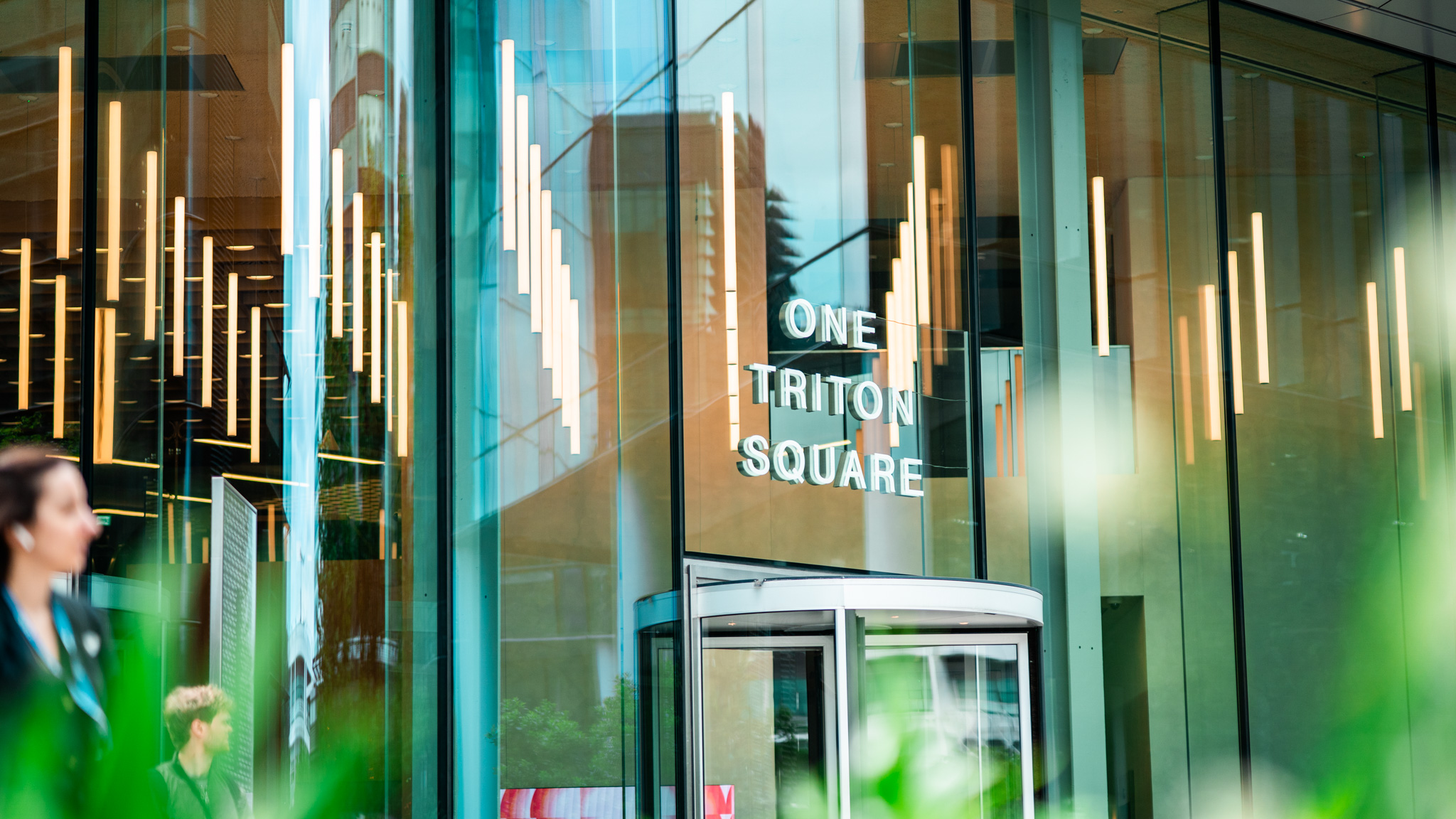
Vorboss, which owns and operates London’s dedicated business fibre network, has connected One Triton Square at Regent’s Place with 100Gbps connectivity, delivering exceptional digital capacity to one of the capital’s most exciting new destinations for science, technology and innovation.
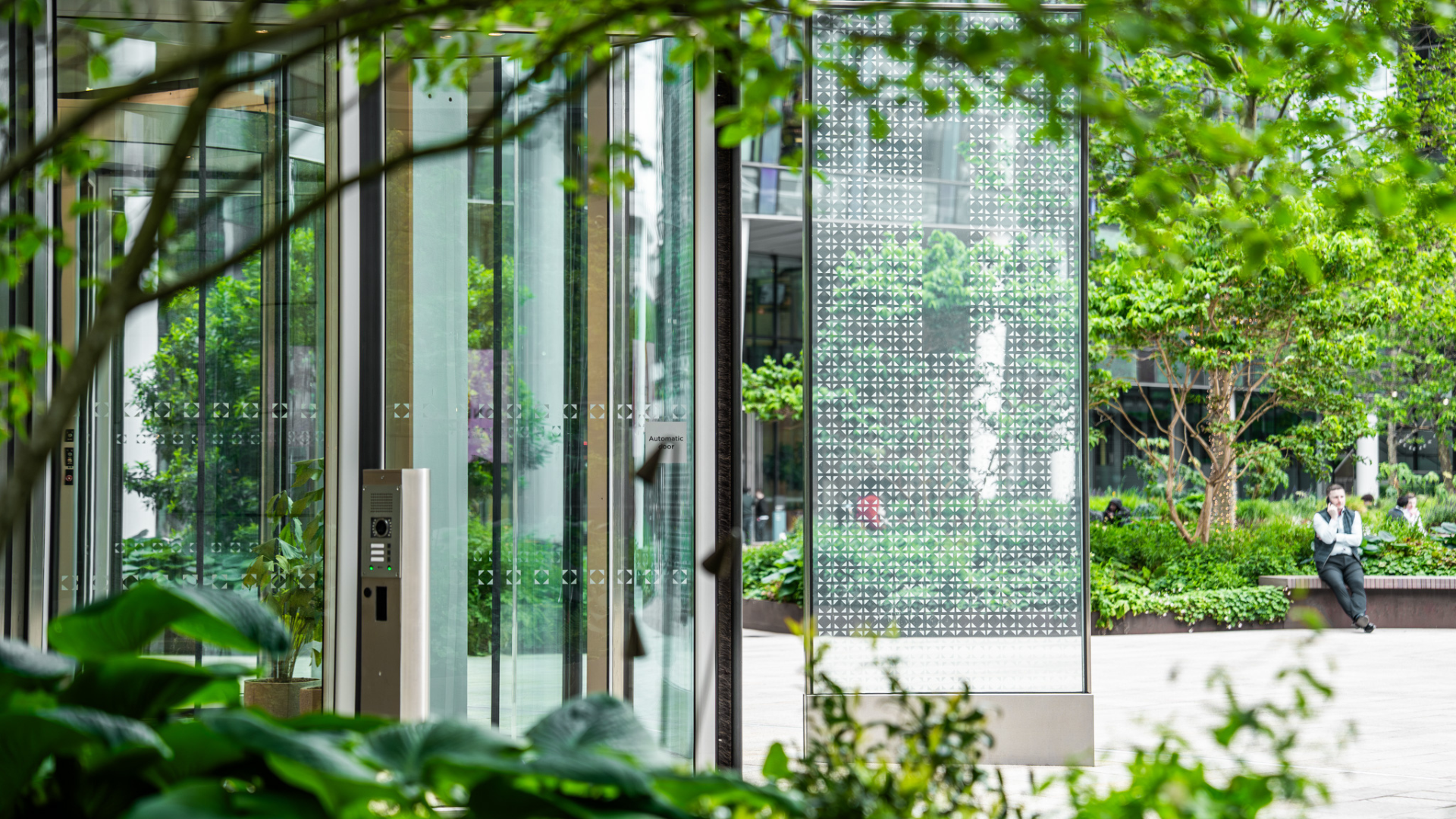
The flagship British Land and Royal London Asset Management building provides more than 300,000 sq ft of purpose-built space, bringing together fitted laboratories, flexible workspace, premium dedicated offices, and shared meeting and event space.
Located in the heart of London’s Knowledge Quarter, One Triton Square is designed to support ambitious businesses at every stage of growth. Flexible floorplates, advanced digital infrastructure and exceptional on-site amenities create an environment where emerging organisations can scale alongside established global leaders. It is workspace built for collaboration and long-term success.

100Gbps is independently available on each floor, providing the capacity occupiers need to support increasingly data-intensive work and emerging technologies. The 100Gbps connection further reinforces One Triton Square’s position as a future-ready commercial destination.
Rhod Morgan, Co-CEO, Vorboss adds:
“Connecting One Triton Square with 100Gbps gives its occupiers the capacity they need not only for the way they work today, but for the technologies and opportunities that come next. It perfectly complements the vision British Land and Royal London Asset Management had for the building – a space designed around the needs of ambitious, innovation-led organisations”
“One Triton Square sits at the centre of London’s science and technology ecosystem, and we’re incredibly proud to be providing the infrastructure it needs to thrive.”
Simon Hepher, Head of Asset Management, Regent’s Place and Innovation Assets, British Land:
“One Triton Square is a landmark new building at the heart of Regent's Place, designed to support ambitious businesses at every stage - from agile start-ups to established global leaders. Alongside best-in-class laboratories, workspace, and offices, the building will now also offer some of the best digital connectivity in London, with 100Gbps providing occupiers the capacity they need for increasingly data-intensive work as they scale and grow.”
Mark Carroll, Property Development Director, Royal London Asset Management:
“As a long-term investor, we are focused on creating places where businesses can thrive. This investment in digital infrastructure further enhances One Triton Square's appeal to science, technology and innovation-led occupiers and supports its long-term success.”
The connection at One Triton Square forms part of Vorboss’ commitment to ensuring London has the serious digital infrastructure required to remain a leading global centre for business, science and technological innovation.
Ends.


The experience driving our growth
David has been central to our success as our Chief Financial Officer. Drawing on his experience at Zayo Group and RBC Capital Markets, he brings strong insight across large-scale infrastructure, investment banking and managed services. As our CFO, he’s been instrumental in shaping a commercial model that supports businesses as they grow, giving our customers the certainty and simplicity they expect.
Rhod has played a pivotal role in operations at Vorboss since 2020. He led the build of our network, now spanning over 900 km, and has raised industry standards across quality and efficiency, making sure our customers have a flawless experience. With previous roles at companies like Arup and WeWork, Rhod understands the complexity of London commercial real estate and knows exactly what it takes to deliver world-class technology in a fast-paced city.
The next chapter
Under David and Rhod’s leadership, we are doubling down on our commitment to keep things simple for our customers and remain the transparent, accountable provider ambitious businesses rely on as they grow.
“Vorboss is on path to becoming one of the UK’s leading B2B connectivity and managed service providers,”
says Adam Dunlop, Operating Partner at Octopus Capital and Chair of the Vorboss Board.
“With David and Rhod’s leadership, and the strength and commitment of the team across the business, I am genuinely excited about what lies ahead.”
Vorboss is part of the Fern Trading Group, managed and advised by Octopus Investments. This partnership, backed by £250million in funding, enabled us to build an independent, 100Gbps London fibre network and connect thousands of businesses across the capital. Having expanded our offering with a range of cybersecurity and managed technology solutions last year, we continue to do things differently by delivering everything end-to-end through our in-house teams.