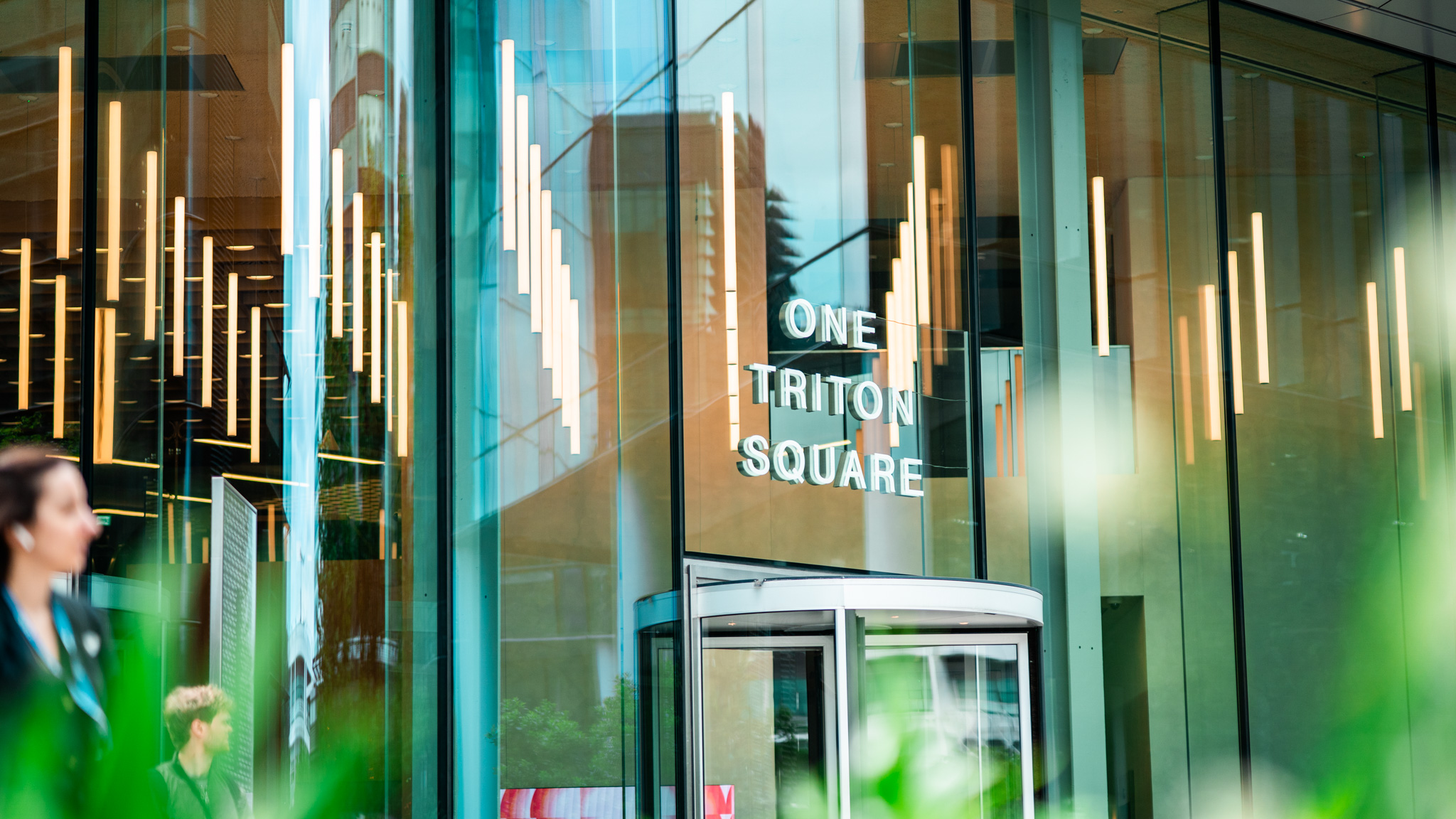
One Triton Square joins London’s best-connected buildings with Vorboss 100Gbps connectivity through British Land partnership
.avif)
Breach breakdown
In April 2025, Marks & Spencer (M&S) was hit by a serious cyberattack, and not by amateurs. The group behind it, known as Scattered Spider (also known as UNC3944 or Octo Tempest) has a track record. They’ve already taken on major U.S. giants like Caesars Entertainment and MGM Resorts.
Our team has done a deep dive into what happened and, more importantly, how businesses like yours can stay protected.
.avif)

London, 17 July 2025
Vorboss, London’s leading fibre network built exclusively for business, today announced the expansion of its managed services portfolio, reinforcing its position as the trusted single provider for the city’s enterprise connectivity needs. This strategic move reflects the growing demand for comprehensive, resilient services from a single, expert partner – particularly in light of the increasing complexity of cybersecurity threats and IT infrastructure.
- London businesses can now consolidate connectivity, managed services, and cybersecurity, backed by the fastest fibre network built exclusively for businesses
- Completed acquisitions of 40fi (cybersecurity) and Optimity (managed services), and strategic investment in Layer8 (network management for commercial real estate)
- 80+ new specialists join Vorboss, expanding total workforce to nearly 400
As part of this strategy, Vorboss has closed three acquisitions designed to broaden its capabilities beyond its core strength in managed network infrastructure. Among these are 40fi, a respected cybersecurity business, and Optimity, a leading provider of managed IT services. Together, these acquisitions bring an additional 80 experienced professionals into the Vorboss team, significantly enhancing the company’s ability to deliver end-to-end solutions for London’s most demanding businesses. Vorboss is excited to welcome the hundreds of customers that Optimity and 40fi serve across the UK today, and look forward to continuing the high levels of customer service and technical expertise currently provided.
This expansion addresses a clear and urgent need from Vorboss customers: the ability to consolidate connectivity, IT, and security under one accountable provider. By integrating cybersecurity expertise and managed IT services capabilities into its offering, Vorboss is now uniquely positioned to provide a comprehensive suite of services – spanning secure network infrastructure, endpoint management, threat mitigation, and strategic IT and cybersecurity consultancy.
Tim Creswick, Vorboss Founder: “Vorboss has a long history in managed services, but for the last 6 years, our focus has been on delivering the best enterprise fibre network London has ever seen. That has been a huge project, commanding millions of hours of labour from our team, and we are now connecting thousands of business customers to that network – all at 10Gbps and above. I’m excited that we’re now able to return to some of our managed services roots, with the timely addition of cybersecurity services. These are things that our customers and partners ask us about all the time. As operators of extensive, high-capacity infrastructure, we have a huge amount of real expertise in-house already, so customers know that they’re getting advice from real practitioners, not just consultants.
The addition of the Optimity and 40fi teams gives us some immediate scale to address those customer needs, with the same vertically integrated, high quality approach that they’ve come to love from us”.
In addition, Vorboss has also invested in Layer8, a first-of-a-kind software platform enabling building operators to automate, manage, and monetise their networks. Designed for commercial real estate environments, Layer8 gives building managers, managed service providers (MSPs), and non-technical users simple, secure control over on-site network infrastructure.
.avif)
London’s still the UK’s economic engine and one of the most innovative cities on the planet. But what’s keeping it ahead? And what needs to change to make sure it stays there?
Recorded live at Vorboss HQ during London Tech Week, this panel brought together influential figures from tech, property, and investment to talk recent news, the challenges businesses face, and the biggest opportunities shaping the future of London’s economy.

If you run a business in the UK, you’ve probably heard the term ‘fibre broadband’. But fibre comes in different forms, and not every connection delivers the same speed, reliability, or consistency. Broadband is one common option, but businesses can also choose dedicated fibre connections, like Direct Internet Access (DIA), sometimes called a leased line, that are built specifically for high-performance, reliable business use.
Understanding the differences between these connection types is key to making sure your internet keeps up with your team and growth.
Quick glossary
- FTTC (Fibre to the Cabinet): Fibre runs to a street cabinet, then copper lines carry it to your building. Speeds can be slow and fluctuate because the connection is shared.
- FTTP (Fibre to the Premises): Full fibre to your building, offering faster and more stable speeds than FTTC, but still shared with other users.
- Direct Internet Access (DIA/Leased Line): A dedicated fibre connection just for your business, with guaranteed symmetrical speeds and high-availability uptime.
FTTC (fibre to the cabinet): fibre, kind of
.jpg)
FTTC runs fibre from your provider’s network to a street cabinet near you, then uses copper wires to reach your premises (while still selling you ‘fibre’).
Copper = outdated. Which means slower speeds, interference, and fluctuating performance – especially if the cabinet’s a few blocks away or shared by lots of users. And those cabinets? They’re exposed to weather and vandalism, adding yet another layer of risk.
Who is FTTC for?
FTTC might work for casual browsing, but if your business depends on video calls, cloud platforms, or remote collaboration, expect slow uploads, dropped connections, and no guarantees when things go wrong.
FTTP (fibre to the premises): better, but still shared
.avif)
Unlike FTTC, FTTP is a fibre connection that runs straight from the exchange to your building. With no copper cabling involved, it offers better speed and stability.
But here’s the catch: while this is often what internet service providers call ‘business broadband’, you still share your connection with up to 30 others. And while the average speed range is typically quoted as 150 to 900Mbps, the reality is, you often won't always experience those speeds, particularly during peak times because you share your bandwidth with others.
Who is FTTP for?
For micro businesses or early-stage start-ups, FTTP may provide a half workable solution, especially as a stepping stone. But be prepared for pixelated, laggy video calls or a long wait to download a pitch deck during busy times and sometimes, for no apparent reason at all.
As we put it in our earlier blog comparing broadband to leased lines: ‘If it’s broadband, it’s shared’. FTTP is still broadband and not something that provides a genuine solution for reliable connectivity.
What to be aware of if you are considering buying FTTP
FTTP can sound a lot like a high-end business service. It’s full fibre. It promises impressive speeds. And it often comes with confident-sounding terms like ‘uptime guarantee’ or ‘symmetrical speeds’. But these features deserve a closer look, because what they offer in theory isn’t always what they deliver in practice.
Take ‘symmetrical speeds’. FTTP can technically offer equal upload and download speeds, but only if the network isn’t busy and your plan allows it. Most of the time, upload speeds drop off when everyone’s online.
Then there’s the ‘uptime guarantee’. Sounds great. But without automatic compensation for downtime or real SLAs, they're often just marketing phrases – not a sign of real accountability. Many providers only commit to a response or investigation window, rather than to actual fix times.
Other elements that sound impressive but don’t necessarily reflect business grade standards. Static IP addresses are promoted as a ‘business’ feature, but these are widely available as standard on home broadband. ‘Priority fault handling’ usually just means you’re ahead of domestic users - not first in line for a fix.
So, while FTTP is better than FTTC, it is still very much part of that ‘broadband’ family. It’s a strong consumer-grade product, but not a substitute for a business-grade connection.
FTTC vs FTTP: How to tell what connection you have
Many businesses get sold 'broadband' without knowing the type of fibre connection. Here’s how to check:
- Check your provider’s plan documents or welcome email – it often states FTTC or FTTP.
- Ask your provider directly – they can confirm whether your line is full fibre (FTTP) or fibre to the cabinet (FTTC).
Knowing which connection you have matters because FTTC and FTTP have very different speeds, reliability, and suitability for business workloads.
Direct internet access (DIA): fibre built for business
.jpg)
DIA, sometimes known as a ‘leased line’ or ‘dedicated internet’, is a full fibre connection exclusively allocated to a single business. Unlike FTTC or FTTP, it isn’t shared with neighbouring offices or homes, and it isn’t affected by the demands of other users on the network.
It’s your own, dedicated connection, built for performance, reliability, and security.
With DIA, you always get ‘actual’ symmetrical speeds, meaning your uploads are just as fast as your downloads. This makes a big difference for real-time communication, file transfers, and cloud tools. You also benefit from 1:1 contention, meaning your bandwidth is always your own and performance doesn’t drop at peak times - because there’s no one else on your line.
Most importantly, DIA comes with robust service-level agreements (SLAs). These go beyond vague promises, offering clear commitments on uptime guarantees, target fix times, and - with a good provider - automatic compensation if things go wrong.
It’s not just about speed; it’s about having trust in the service that underpins your operations.
Who is DIA for?
- Teams that rely on cloud-heavy workflows: platforms like Salesforce, Azure, AWS, or cloud CRMs need reliable 24/7 access. Outages or slow speeds mean lost hours and lost business.
- Creative and media teams: agencies and production houses transferring large design files or uploading media to the cloud need fast, stable upload speeds. DIA’s symmetrical performance makes that possible.
- Security-focused organisations: if your business runs VPNs, firewalls, or handles sensitive data, you need a connection that supports uptime and compliance without compromise.
- Hybrid/remote teams: distributed workforces need reliable video calls, collaboration tools, and seamless file sharing. DIA keeps everyone connected – consistently.
FTTC vs FTTP vs DIA: the differences that matter for London businesses
Choosing the right internet connection for your business
FTTC, FTTP and DIA each have their place, but they’re not interchangeable. Unfortunately for many businesses, the differences become visible the moment the connection is put under pressure.
For businesses in this day and age, FTTP and FTTC are not fit for purpose. And being overly reliant on outdated infrastructure costs London businesses billions a year in outages.
DIA (whether you call it a leased line or dedicated internet) is designed with business in mind. For teams working in the cloud, relying on uptime or collaborating in real time, it offers a level of confidence that shared broadband simply can’t match.
Choose with care. The best internet solution is the one that will support the way your business works not only now, but also as it grows.
If you want to find out if DIA is right for your business, get in touch with our team. We're always happy to chat through your options.
.avif)
London Tech Week – one of the most exciting events of the year for tech enthusiasts. It brings people from all over the world to our favourite city.
As a partner, we hosted a series of official fringe events at Vorboss HQ throughout the week – including a live panel discussion led by our Founder & CEO, Tim Creswick.
The panel featured industry leaders from tech, real estate, and investment:
- Russ Shaw CBE, Tech London Advocates & Global Tech Advocates
- Shaun Simons, Compton
- Jonathan Pollock, Elbow Beach Capital
Their conversation explored what’s driving London’s momentum, and where the biggest opportunities lie. From unlocking capital to the green transition, the panel shared where London is already winning, what’s starting to shift, and what needs to happen to turn potential into progress over the next decade.

At May's biquarterly Women in Telecoms meetup, hosted at Vorboss HQ, women from across the industry came together to share experiences, reflect on progress, and explore what real inclusion looks like.

The session, led by Natalie Strange, MD of RPS Telecoms and Head of the Women in Telecoms group, included a panel discussion with our colleagues at Vorboss about their experiences in the industry, the steps we’re taking to make telecoms more inclusive, and what's next.
Here’s how the discussion went

Meet the panel
Jade, Team Lead Engineer
Joined Vorboss at 18 as an apprentice. Now leads on-site fibre installation teams across London.
Tamryn, People & Culture Manager
Originally joined as a Training Administrator. Now helps embed inclusive policies and support systems across the organisation.
Taylor, Head of Operations
Leads the teams that connect customers and deliver our service end-to-end.
Q: What has your journey been like as a woman in telecoms?
Jade shared her positive experience:
“It’s been amazing. I knew I didn’t want to go down the university route; I wanted to get stuck in and work. Vorboss trained me from the beginning, and now I lead my own team. I genuinely love what I do.”
Tamryn, who recently came back from maternity leave, shared:
“Coming back was a big worry for me – would I still fit in? Would I be supported? The answer’s been yes. We have a parent room, a fridge for milk, and my son’s even visited the office. My son’s even visited the office!”
Q: What hiring barriers still exist in telecoms, and how are we addressing them?
Tamryn:
“For engineering roles especially, we had to rethink the language we used. The old versions were unintentionally harsh and often male-coded. Once we made them clearer and more neutral, more women applied”
Some practical changes discussed included:
- Remove industry jargon from job descriptions
- Manually review CVs instead of relying on (often biased) AI-driven filtering
- Eliminate unnecessary degree requirements
- Run diverse interview panels

Q: How can companies like Vorboss foster more inclusive environments that attract, support, and retain women – from technical roles to leadership positions?
Tamryn:
“We’ve made training fully in-house through the Vorboss Academy, so no previous experience is required. That’s opened doors to people who wouldn’t normally apply. We’ve also built internal career tracks, flexible policies, and training for inclusive management.”
Vorboss has launched these initiatives to retain talent and progress women into leadership roles:
- Internal secondments: opportunities to explore other career options internally.
- Training: manager training on inclusive team management plus annual DE&I and menopause awareness training for all staff.
- Flexibility: accommodating workforce needs, e.g. part-time contracts.
- Internal promotion: fostering internal growth means more women in senior roles, helping us retain talent.
- Listening and acting on feedback: from uniform design to policy, we want to ensure everyone feels seen.
Other policies include paid period days, free sanitary products, IVF and adoption leave, domestic abuse support, free breakfast and welfare vans.
Jade completed a secondment with our data centre team. Though she stayed in her role, she found the experience valuable:
“It was such a good learning experience. It gave me more context and helped me feel more confident in my role.”
Q: What barriers have you encountered (or seen others face), and what helped you or your teams overcome them?
Tamryn:
“Workwear. It seems small, but early on we realised all the uniforms were made for men; gloves, trousers, fireproof kit. We redesigned it all. It took time, but it meant that everyone could work more effectively.”
Q: What advice would you give to the next generation of women pursuing careers in telecoms?
Taylor had clear advice:
“Don’t assume the person you’re talking to knows more than you. Say yes to opportunities. If you fail, that’s fine. Ask for help and keep moving.”
Jade:
“Do it! It’s been life changing for me. I’m so grateful I took the chance.”

Q: What’s next for Vorboss?
We want to keep growing - not just in size, but in diversity, inclusion, and opportunity, and inspire others to follow suit.
We’ve set measurable goals for diversity and inclusion, including:
- Today: more than 1 in 3 of our technical and engineering roles are held by women.
- By 2027: we aim for 50/50 gender parity in technical and engineering roles.
- By 2028: we aim for gender parity company-wide.
We’ve signed Ofcom’s Women in Tech pledge and publish our gender pay gap report annually.
About Women in Telecoms
Women in Telecoms is an initiative by Comms Council UK, created in response to growing demand from its members for regular opportunities to network, share experiences, discuss key industry topics, and exchange ideas.
Latest from the press room
London, UK, 13 August 2026:
Vorboss, which owns and operates London’s dedicated business fibre network, has connected One Triton Square at Regent’s Place with 100Gbps connectivity, delivering exceptional digital capacity to one of the capital’s most exciting new destinations for science, technology and innovation.
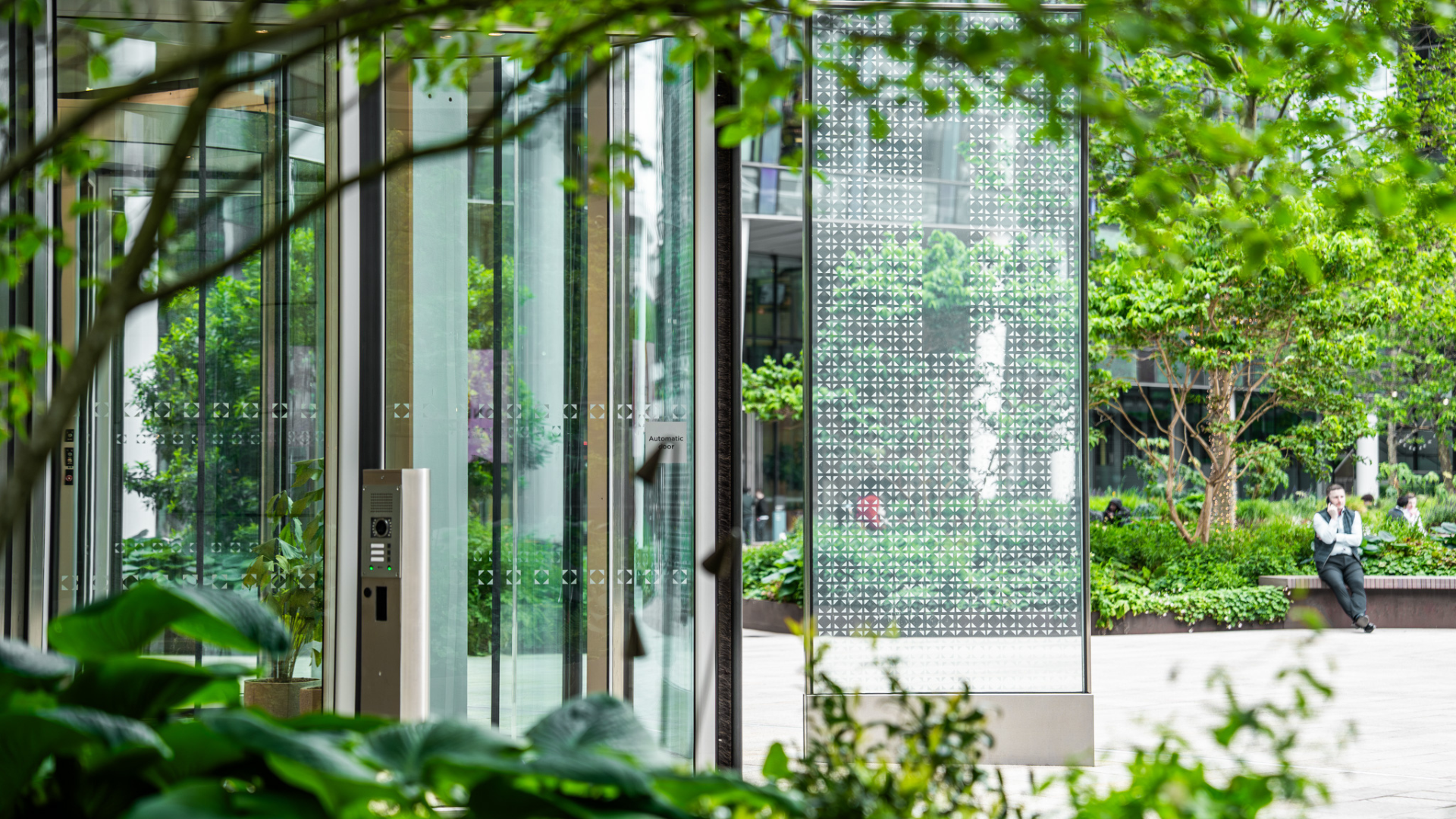
The flagship British Land and Royal London Asset Management building provides more than 300,000 sq ft of purpose-built space, bringing together fitted laboratories, flexible workspace, premium dedicated offices, and shared meeting and event space.
Located in the heart of London’s Knowledge Quarter, One Triton Square is designed to support ambitious businesses at every stage of growth. Flexible floorplates, advanced digital infrastructure and exceptional on-site amenities create an environment where emerging organisations can scale alongside established global leaders. It is workspace built for collaboration and long-term success.
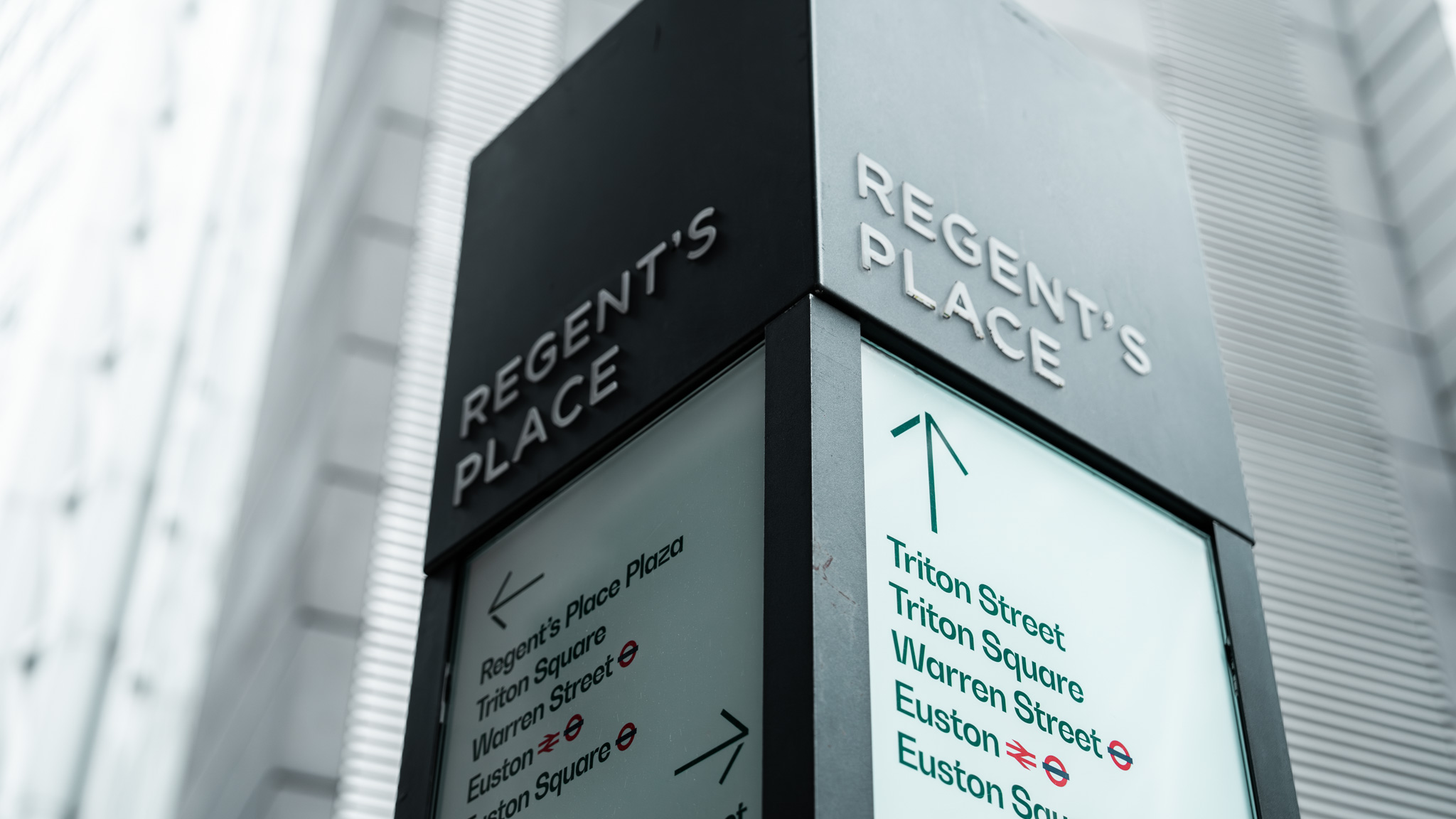
100Gbps is independently available on each floor, providing the capacity occupiers need to support increasingly data-intensive work and emerging technologies. The 100Gbps connection further reinforces One Triton Square’s position as a future-ready commercial destination.
Rhod Morgan, Co-CEO, Vorboss adds:
“Connecting One Triton Square with 100Gbps gives its occupiers the capacity they need not only for the way they work today, but for the technologies and opportunities that come next. It perfectly complements the vision British Land and Royal London Asset Management had for the building – a space designed around the needs of ambitious, innovation-led organisations”
“One Triton Square sits at the centre of London’s science and technology ecosystem, and we’re incredibly proud to be providing the infrastructure it needs to thrive.”
Simon Hepher, Head of Asset Management, Regent’s Place and Innovation Assets, British Land:
“One Triton Square is a landmark new building at the heart of Regent's Place, designed to support ambitious businesses at every stage - from agile start-ups to established global leaders. Alongside best-in-class laboratories, workspace, and offices, the building will now also offer some of the best digital connectivity in London, with 100Gbps providing occupiers the capacity they need for increasingly data-intensive work as they scale and grow.”
Mark Carroll, Property Development Director, Royal London Asset Management:
“As a long-term investor, we are focused on creating places where businesses can thrive. This investment in digital infrastructure further enhances One Triton Square's appeal to science, technology and innovation-led occupiers and supports its long-term success.”
The connection at One Triton Square forms part of Vorboss’ commitment to ensuring London has the serious digital infrastructure required to remain a leading global centre for business, science and technological innovation.
Ends.
The experience driving our growth
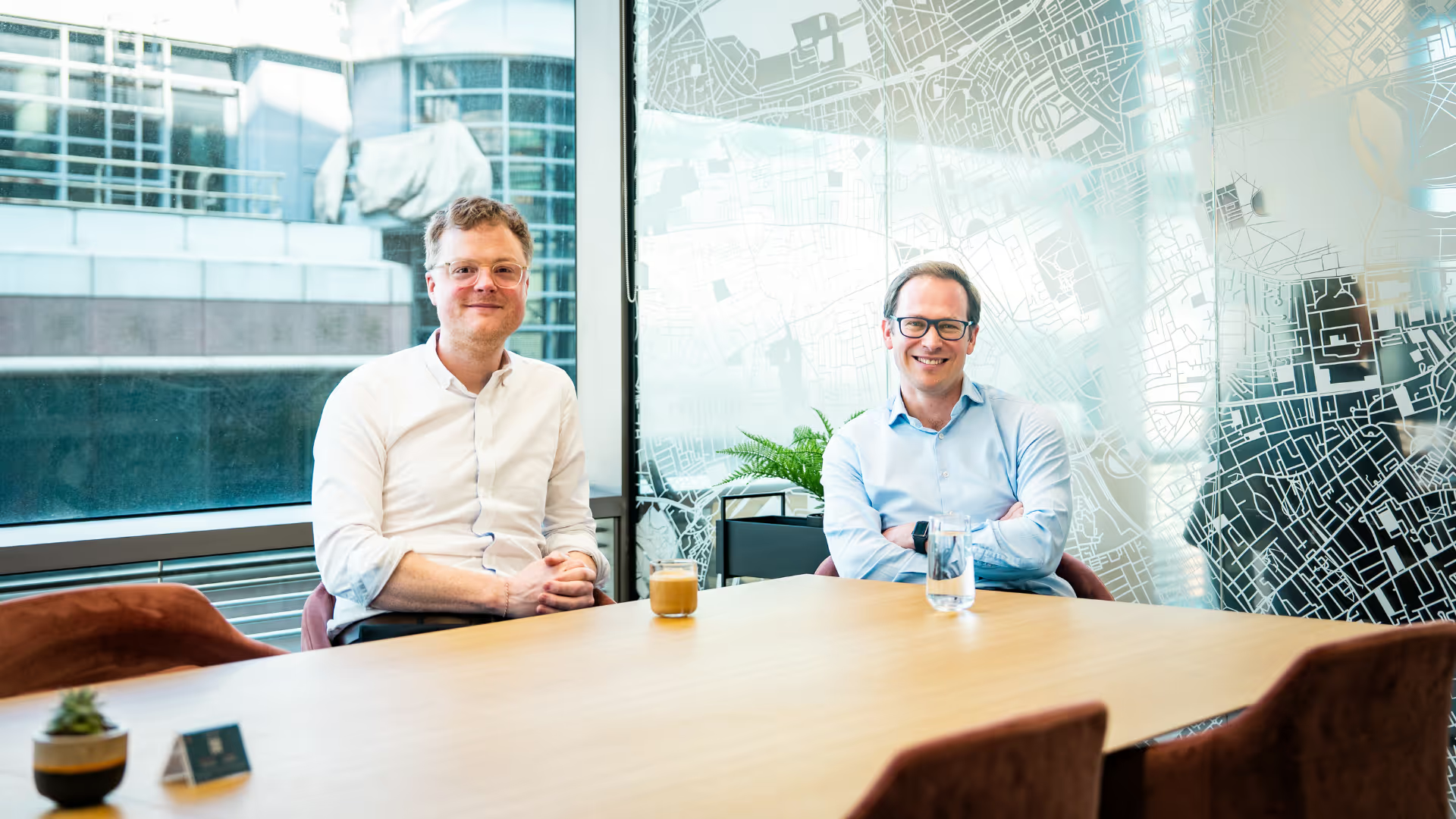
David has been central to our success as our Chief Financial Officer. Drawing on his experience at Zayo Group and RBC Capital Markets, he brings strong insight across large-scale infrastructure, investment banking and managed services. As our CFO, he’s been instrumental in shaping a commercial model that supports businesses as they grow, giving our customers the certainty and simplicity they expect.
Rhod has played a pivotal role in operations at Vorboss since 2020. He led the build of our network, now spanning over 900 km, and has raised industry standards across quality and efficiency, making sure our customers have a flawless experience. With previous roles at companies like Arup and WeWork, Rhod understands the complexity of London commercial real estate and knows exactly what it takes to deliver world-class technology in a fast-paced city.
The next chapter
Under David and Rhod’s leadership, we are doubling down on our commitment to keep things simple for our customers and remain the transparent, accountable provider ambitious businesses rely on as they grow.
“Vorboss is on path to becoming one of the UK’s leading B2B connectivity and managed service providers,”
says Adam Dunlop, Operating Partner at Octopus Capital and Chair of the Vorboss Board.
“With David and Rhod’s leadership, and the strength and commitment of the team across the business, I am genuinely excited about what lies ahead.”
Vorboss is part of the Fern Trading Group, managed and advised by Octopus Investments. This partnership, backed by £250million in funding, enabled us to build an independent, 100Gbps London fibre network and connect thousands of businesses across the capital. Having expanded our offering with a range of cybersecurity and managed technology solutions last year, we continue to do things differently by delivering everything end-to-end through our in-house teams.