One Triton joins London's best connected buildings with Vorboss 100Gbps

London's tech scene isn't slowing down, and we love to shout about it!
With record levels of investment, global tech giants setting up offices and homegrown startups and scaleups expanding, there's plenty to be excited about. And for London's commercial property sector, that means growing demand for workspaces that can keep up.
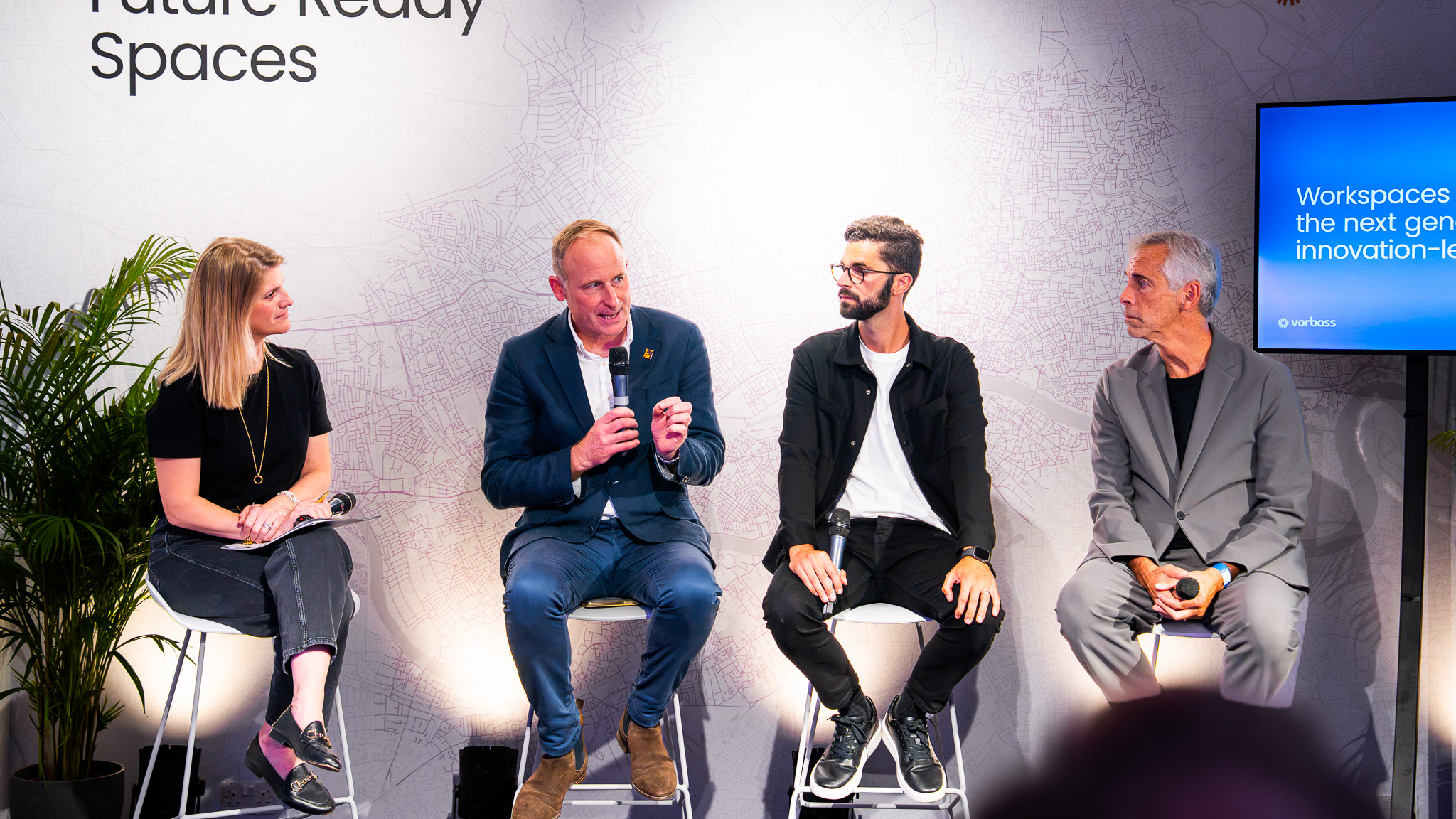
So, what are these businesses looking for? We brought together property leaders, technology experts and founders at Vorboss' Future Ready Spaces event series to explore how landlords, developers and operators can attract the next wave of occupiers.
Why is London a global tech hub?
London continues to attract investors, founders and talent from around the world. Here are some notable statistics from this year:
- $12.6bn of tech investment in the first five months of 2026, the third highest of any city globally and the highest in Europe.
- 152 unicorns call London home, including 12 new unicorns in 2026.
- 2,084 funded AI companies and 2,516 fintech companies are based in London.
And we're seeing this growth translating into demand for commercial space.
How is London's tech boom driving office demand?
Savills reports that tech and media businesses were the most active occupiers in Central London during the first eight months of 2026, acquiring 1.65 million sq ft of office space and accounting for 27% of total take-up. We've also seen some noteworthy deals happening.
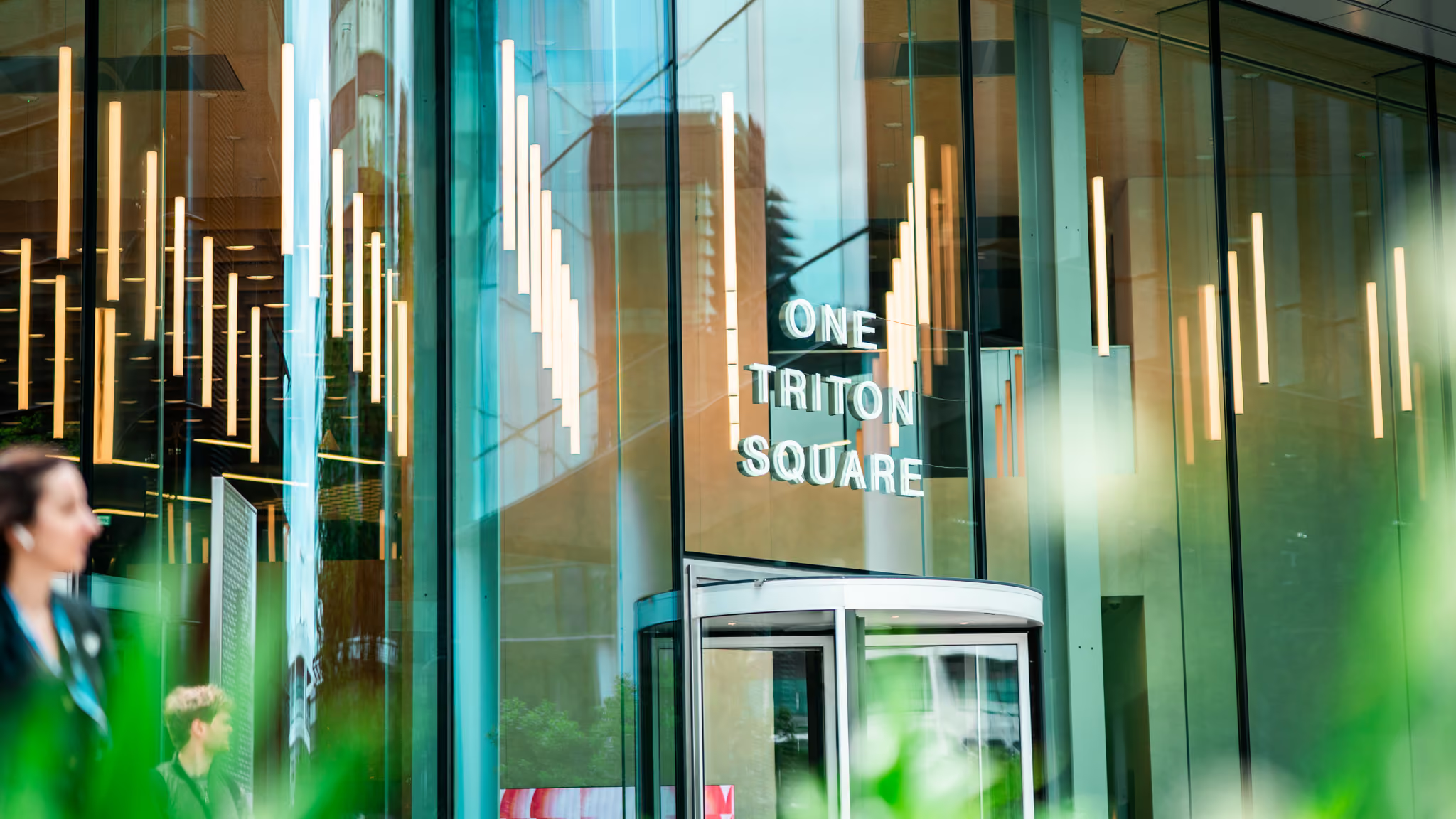
In April 2026, OpenAI announced its first permanent London office, taking space across the Jahn Court and Brassworks buildings at Regent Quarter in King's Cross. Meanwhile, Anthropic secured approximately 158,500 sq ft at One Triton Square, near Euston.
Just a month earlier, in March 2026, Databricks secured 136,300 sq ft at Network W1, taking the entire office element of the development.
And more recently, the London Initiative for Safe AI (LISA) announced an 82,000 sq ft deal at TRIBECA in King's Cross, where it plans to create a dedicated hub for AI safety research and collaboration.
These are just a handful of examples and according to research from Cushman & Wakefield, they're part of a much wider trend, forecasting that AI businesses alone could generate another 3–6.4 million sq ft of London office demand over the next three years.
For landlords, developers and operators, this presents a significant opportunity. But attracting these businesses takes more than simply having office space available.
What do London's fastest-growing businesses expect from their workspaces?
"Speed is absolutely everything."
Said Michael Clark, Director, Growth & Client Development at CBRE, who works closely with fast-growing technology and AI businesses.
These companies want spaces where they can move in and get straight to work, with great amenities, high-bandwidth connectivity and the infrastructure they need already in place.
They also want flexibility. A business might start with a small team and need twice as much space just a few months later. But it's not just about the facilities.
Gavin Poole, CEO of Here East, highlighted four factors influencing where businesses choose to establish themselves:
"It's geography, it's power, it's connectivity, and it's who's around you."
As the CEO of one of London's major innovation campuses, home to organisations including Plexal and Sports Interactive, alongside leading institutions such as University College London (UCL) and Loughborough University London, Gavin sees firsthand the importance of creating spaces where businesses can connect, collaborate and grow.
Access to talent, research, customers and other ambitious businesses can be just as influential as the building itself.
How can landlords attract and retain these businesses?
1. Make it easy for businesses to move in
Having essential building services, furnished workspaces, meeting rooms, connectivity and security systems already in place can reduce setup times and make moving in much simpler.
2. Give businesses room to grow and change
Can a business expand into additional space without relocating? Can its internet capacity easily increase as its data requirements grow? Can its workspace adapt as teams and ways of working change?
Businesses may not know exactly what they'll need in two years' time. The more flexibility a building can offer, the easier it becomes for them to stay and grow.
3. Create opportunities to connect
Russ Shaw CBE, Founder of Tech London Advocates and Global Tech Advocates, highlighted how London's innovation clusters have grown beyond traditional hubs like Shoreditch and Hoxton.
"People like to be around others where they can bounce things off of them, or see what's going on."
Whether through shared spaces, events or partnerships, it's about creating an environment where businesses want to stay.
Looking ahead
London's technology sector is creating significant opportunities for the commercial property market. But the next generation of occupiers won't all look the same, grow at the same pace or have the same requirements.
The opportunity for landlords, developers and operators is to create buildings that make it easier for businesses to move in, connect with others and adapt as they grow. The most attractive workspaces will be those that support businesses long after they've signed the lease.


Rob, why have the recent PHP discoveries made headline news?
Rob: The flaws attracted significant media attention because of how serious they were. Security vulnerabilities are essentially weaknesses in software or systems that attackers can take advantage of.
In this case, the potential risks were serious enough for some organisations to temporarily take their websites offline while they applied security updates. That's why we saw hundreds of websites being down.
What made this particularly significant was the role AI played. Researchers used it to examine software code and identify these vulnerabilities.
Talk to us about how AI is changing the security landscape
Rob: The biggest change is speed.
Security vulnerabilities have always existed, but traditionally, finding them could take days or even weeks of examining code and testing different approaches.
AI is making that process much faster. Researchers can use it to analyse huge amounts of code and identify potential weaknesses in a fraction of the time, which is a really positive development.
The flip side is that attackers can use the same technology. That means businesses have less time to respond between a vulnerability being discovered and someone attempting to exploit it.
Should businesses be worried about this?
Rob: Businesses certainly need to be aware of the risks, but you don't necessarily need an entirely new cybersecurity strategy because of AI. The good news is that many of the measures businesses can take to protect themselves are already well established and widely available.
So, what is the absolute minimum every business should be doing?
Rob: Getting the fundamentals right is the single most important thing you can do. There's little point investing in expensive security tools if you've got software that's out of date or systems nobody's keeping an eye on. This applies to businesses of all sizes. You don't need to be a large enterprise to be targeted.
I'd start with three things.
First, understand where you're exposed
You need to know what technology your business relies on, from laptops and applications to servers, websites and network equipment. Pay particular attention to anything that's accessible over the internet. If you don't know a system exists, it's very difficult to protect it.
Second, regularly check for vulnerabilities
New weaknesses are discovered all the time, including in software you've been using for years. Regular vulnerability scanning can help identify these weaknesses and prioritise which ones need attention.
Third, keep your systems updated
When a critical security update becomes available, particularly for something exposed to the internet, you want to get that applied as quickly as possible.
And where you can, automate the process. This is called 'automated patching and monitoring'. This will take a lot of the work off your team's hands and reduce the chances of human error.
What if a business has a small IT team, or no dedicated cybersecurity team at all?
Rob: That's very common, particularly among smaller and growing businesses.
The reality is that most IT teams already have a lot on their plates. They're looking after devices, supporting colleagues, keeping systems running and dealing with everything else that comes their way. Expecting them to manually track every new vulnerability isn't realistic. That's where automation and external support can make a real difference.
A vulnerability assessment is a good place to start. It'll help you understand where your weaknesses are, which ones pose the greatest risk and what you should prioritise.
Finally, if there's one thing you'd want businesses to take away from this, what would it be?
Rob: Don't wait until something goes wrong to find out where you're exposed to threats.
So far in 2026, more than 85,000 software vulnerabilities have been disclosed, that's close to double the number reported last year.
While not all of these were discovered using AI, the sharp increase highlights just how quickly the cybersecurity landscape is changing and why businesses need to be more proactive about protecting themselves.
Want to understand where your business might be exposed?
Vorboss cybersecurity experts combine specialist knowledge of London's threat landscape with a personalised approach, providing tailored vulnerability assessments, managed cybersecurity and ongoing monitoring to help protect your business.
Get in touch to arrange a quick chat with our team about your cybersecurity needs and how we can help.
A quick roundup of 2026 so far
In the first half of 2026, London continued to attract significant investment, nurture fast-growing businesses and welcome some of the biggest names in technology.
- $12.6bn of tech investment in the first five months of 2026, the third highest of any city globally and the highest in Europe.
- 152 unicorns call London home, including 12 new unicorns in 2026.
- Major technology businesses continue to choose London, including Anthropic, Databricks, OpenAI, Fuse Energy and Isomorphic Labs.
What's behind the momentum?
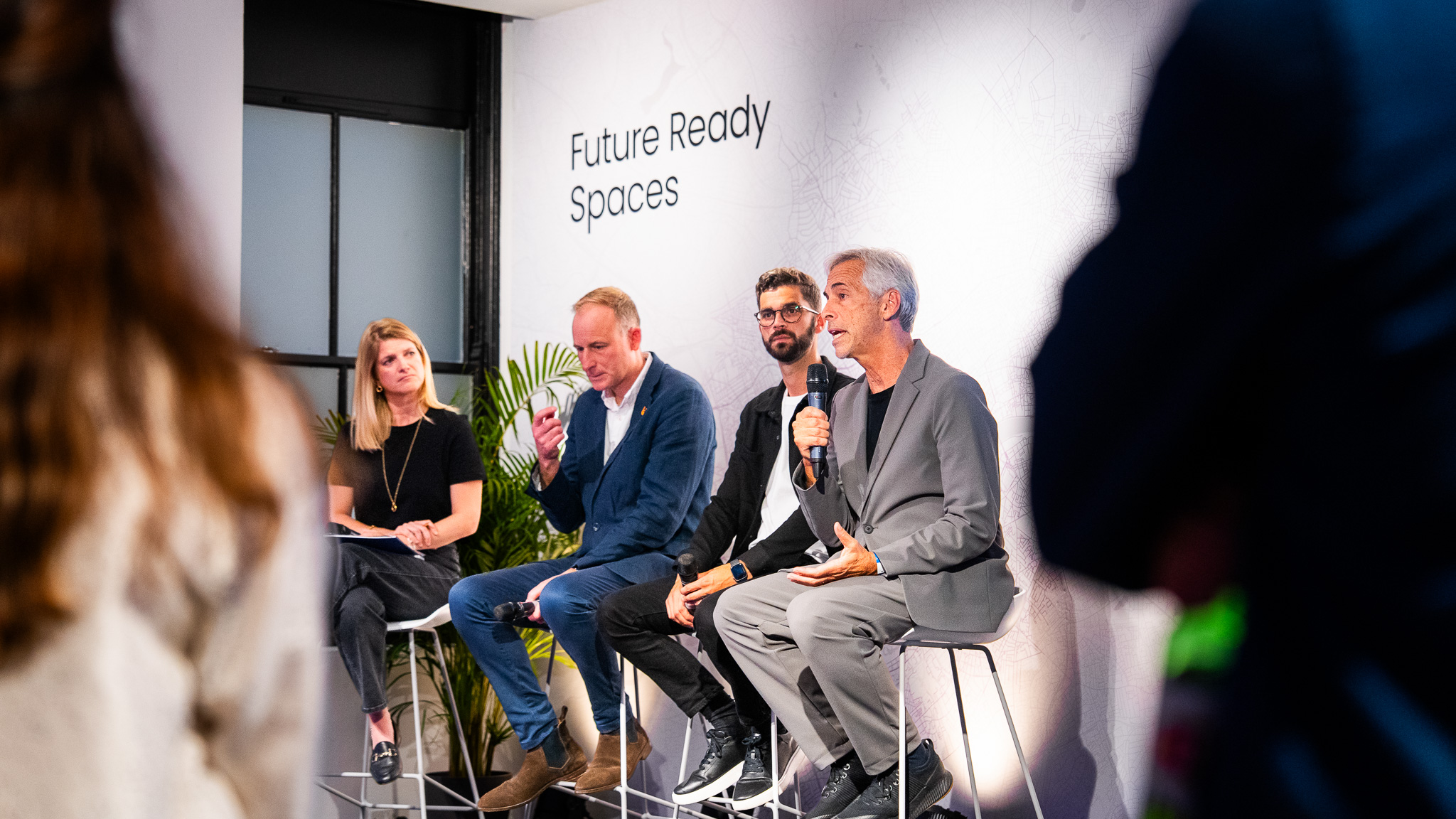
Russ Shaw, Founder of Tech London Advocates and Global Tech Advocates, highlighted the strength of London's technology ecosystem across fintech, cybersecurity, health tech, biotech and creative technology.
"London is open and friendly. People are willing to network and connect with each other."
Russ attributes London's success to its vibrant ecosystem where businesses, talent and investors connect, share ideas and create opportunities.
Business is here to stay
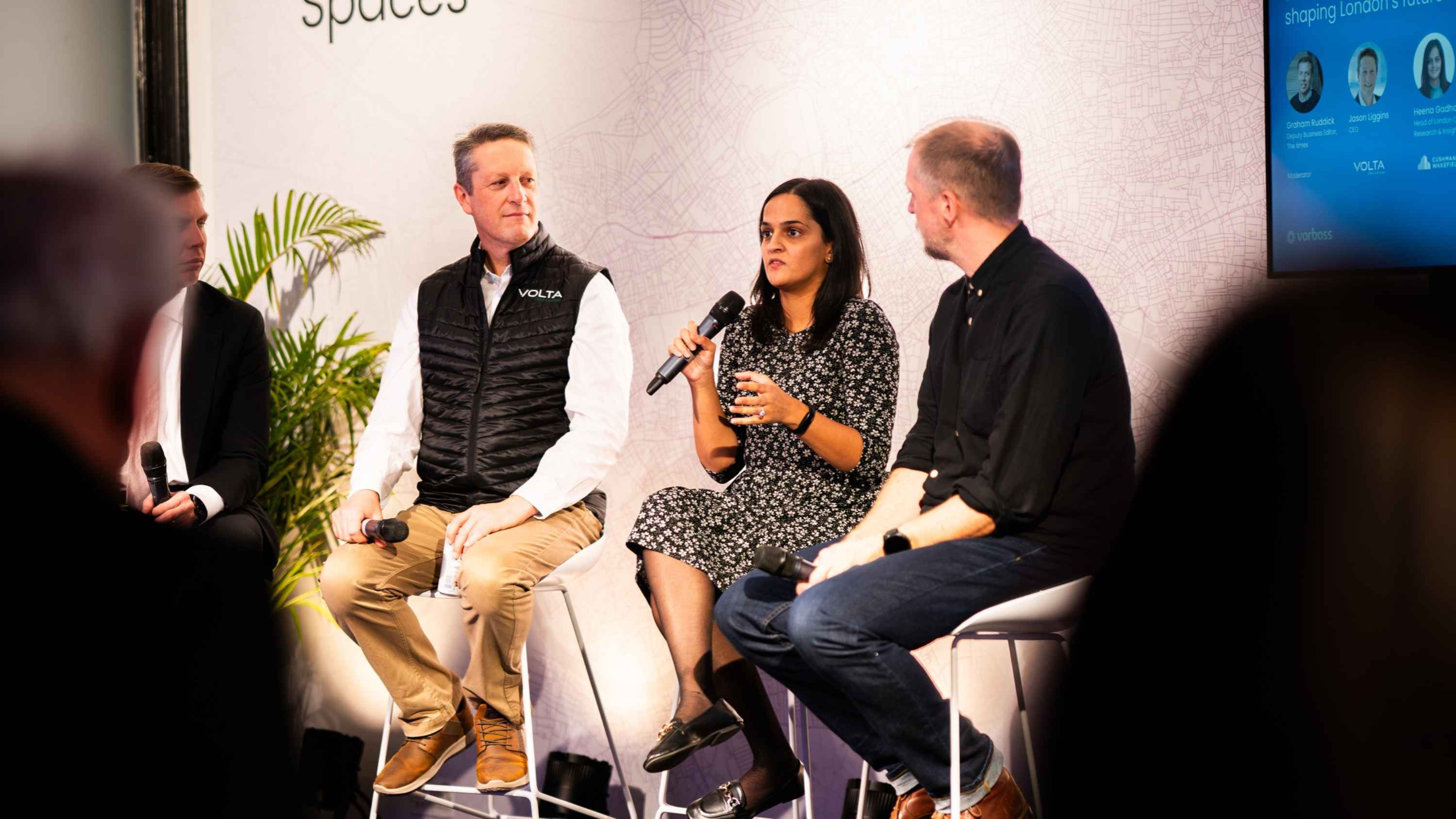
Heena Gadhavi, Head of London Offices Research at Cushman & Wakefield, shared some very positive findings about companies expanding their footprint here.
"11 of the 12 largest office deals in Central London in 2025 involved businesses expanding their operations."
According to Cushman & Wakefield's London Moves report, net office expansion reached 3.82 million sq ft, up 16% on 2024 and the highest since 2019.
The research also forecasts that AI businesses alone could generate another 3–6.4 million sq ft of London office demand over the next three years.
What will London's next generation of businesses need?
As more technology businesses scale in London, the infrastructure supporting them needs to keep pace.
"Speed is absolutely everything."
Says Michael Clark, Director, CBRE, who works closely with fast-growing technology and AI businesses.
These companies are looking for workspaces where they can move in and get straight to work, with reliable, high-capacity connectivity from day one, great amenities and the flexibility to expand as their business grows.
Gavin Poole, CEO of Here East, highlighted three factors influencing where high-growth businesses choose to establish themselves:
"Geography, digital capacity and who's around you."
Here East is a 1.2 million sq ft innovation campus, home to startups, global businesses, universities and researchers.
There's plenty of positive news to shout about. Looking ahead, we're excited to see how London builds on this momentum and continues attracting and retaining the businesses driving its economy forward.
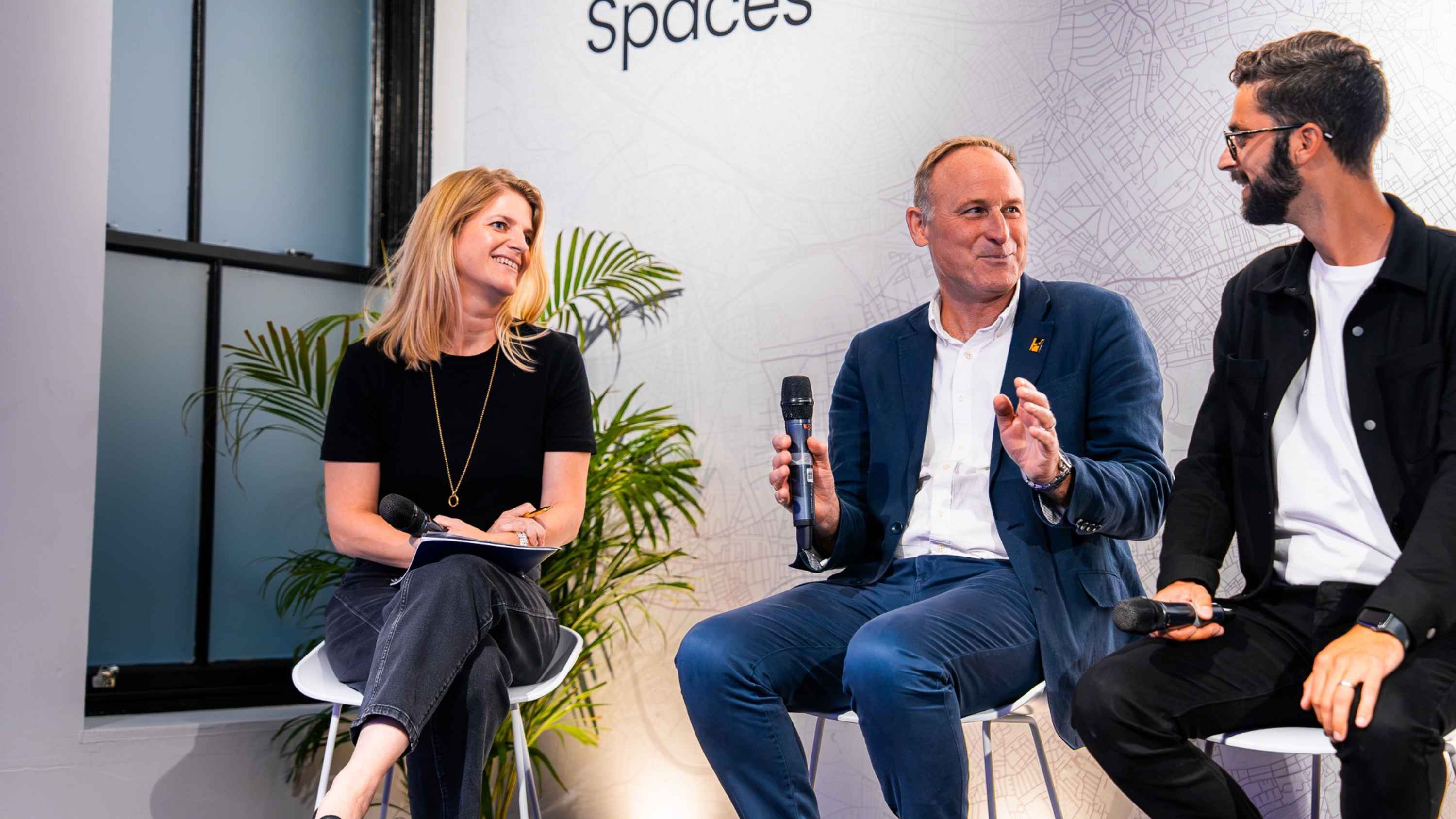
Future Ready Spaces
These insights come from Future Ready Spaces, Vorboss' two-week event series bringing together industry voices to exploring what it takes to scale and grow an ambitious business in London.
See more insights from the series, including retail & hospitality technology and moving with purpose session.
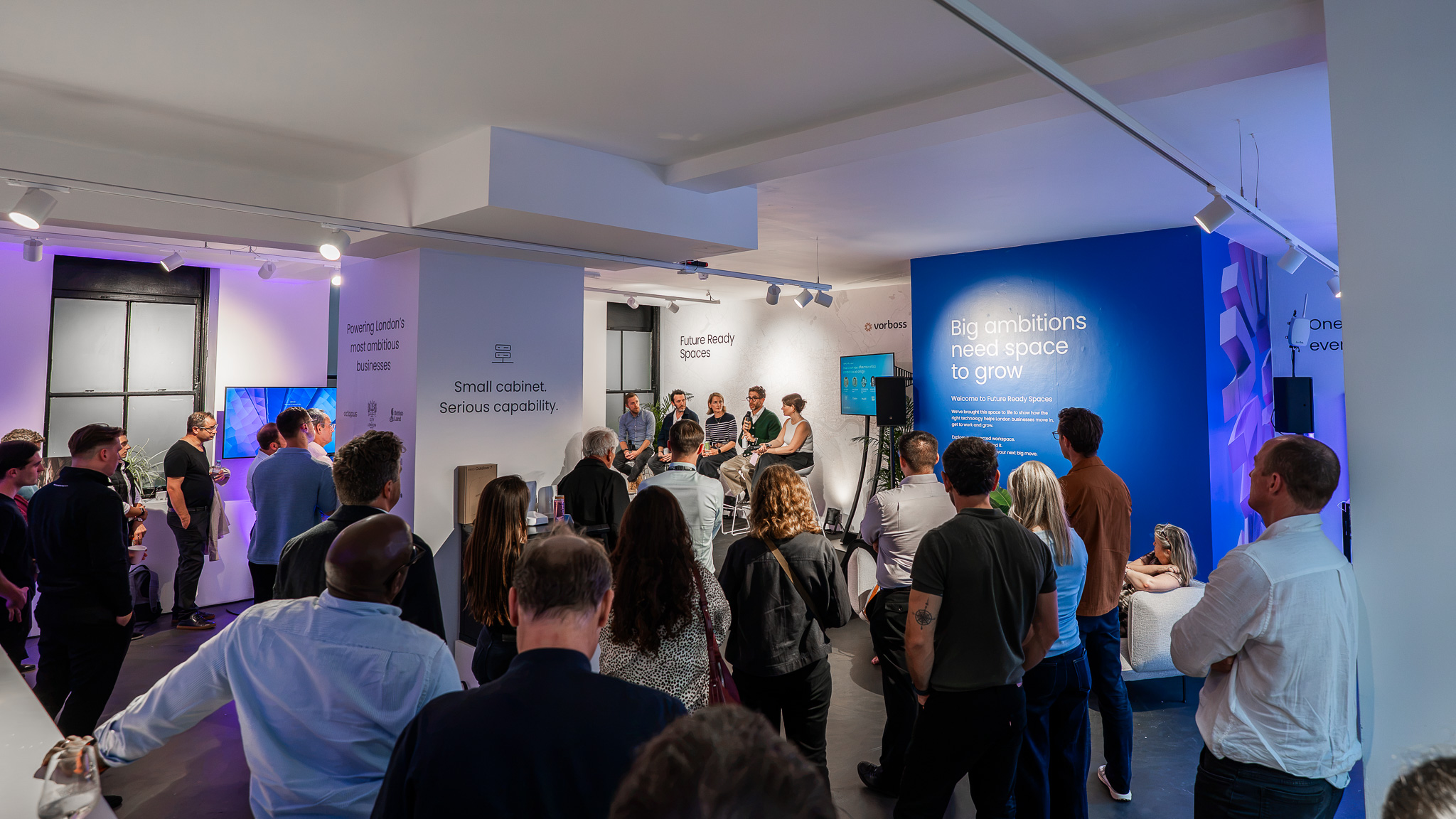
Beyond the location, lease negotiations and logistics of an office move lies a much bigger opportunity, one that many businesses overlook.
Think stronger culture, better collaboration, greater productivity and, most importantly, happier colleagues who genuinely want to come into the office.
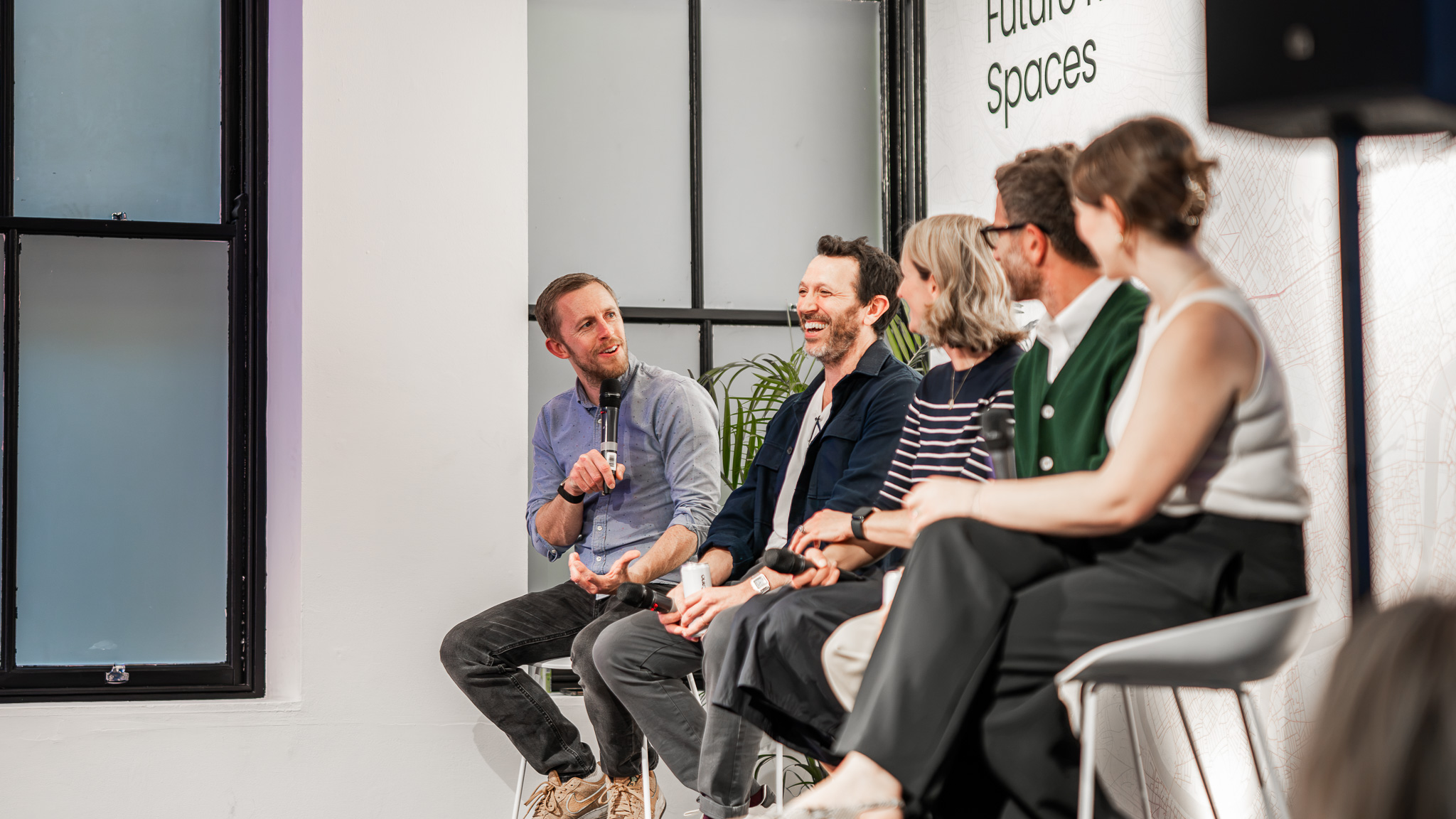
And because moving office is no small feat, we decided to get the experts in a room and gather their best tips, which we've carefully curated below.
Featuring:
- Shaun Simons, Founder, Compton
- Andy Heath, Co-Founder & CEO, Quarterback
- Katherine Harvey, Workplace Consultant, Rethink Workplace Group
- Clive Fogelman, COO, sub800
1. Start with what you want to achieve, not where you want to move
Before browsing Rightmove, Katherine, Workplace Consultant at Rethink Workplace recommends you ask yourself this: What do we want to do better as a business?
Keeping this at the forefront of making your decision will help you avoid unnecessary costs further down the line and ensure you find a space that powers your business ambitions.
2. It's like a buffet, it's important you understand what's on offer
"The amount of optionality in the middle is overwhelmingly positive."
Shaun, founder of Compton highlighted how London's office market for SMEs has evolved over the years, offering limitless choice in workspace types, contract lengths and levels of service, comparing it to a breakfast buffet! This is a great thing, particularly for smaller businesses that need flexibility as they grow.
Shaun also made the point that the property industry hasn't made navigating all this choice particularly easy. If you're speaking directly to someone advertising an office, you'll naturally only hear about what they're offering. That's why getting advice from someone who understands the wider market can be so valuable, especially if you're moving for the first time. You might discover an option you hadn't considered that suits your business better and saves you money down the line.
3. A beautiful office doesn't automatically create a great workplace culture
"Culture isn't about installing a pool table. It's about the people, how they behave and what the new space enables them to do." explained Andy, Co-founder & CEO, Quarterback.
A great workplace starts with understanding the culture you have and the one you want to create. Think about the behaviours you want to encourage, from better collaboration to stronger relationships between colleagues, and how the design of your new space can support them.
"It's a chance to re-establish your company's identity, strengthen its culture and create a springboard for the next stage of growth," said Clive Fogelman, COO of sub800.
After all, an impressive fit-out means very little if the space doesn't bring people together, enhance collaboration and drive that ambition.
4. Your CEO might not know best
Katherine made a particularly interesting point:
“A CEO doesn’t usually know how the people in the company work and move.”
So, before making big decisions, get the unfiltered truth from your colleagues. What works, what's annoying them and what would genuinely make them want to come into the office and collaborate?
5. Understand the full picture
From meeting room technology and internet connectivity to furniture and ongoing maintenance, it's easy to underestimate what getting a new workspace up and running involves.
Bring the right experts in early to scope out your requirements, get a clear picture of the costs, keep everything on track for moving day and make the tech switchover seamless.
What's our biggest takeaway?
The opportunities for SMEs in London are endless; more choice, more flexibility and more ability to create a space where your people and business thrive.
In the last few years, retail and hospitality technology has advanced rapidly, and customer expectations have grown alongside it. Whether shopping online, visiting in person or using an app, people expect one consistent experience.
But are brands making the most of their technology?
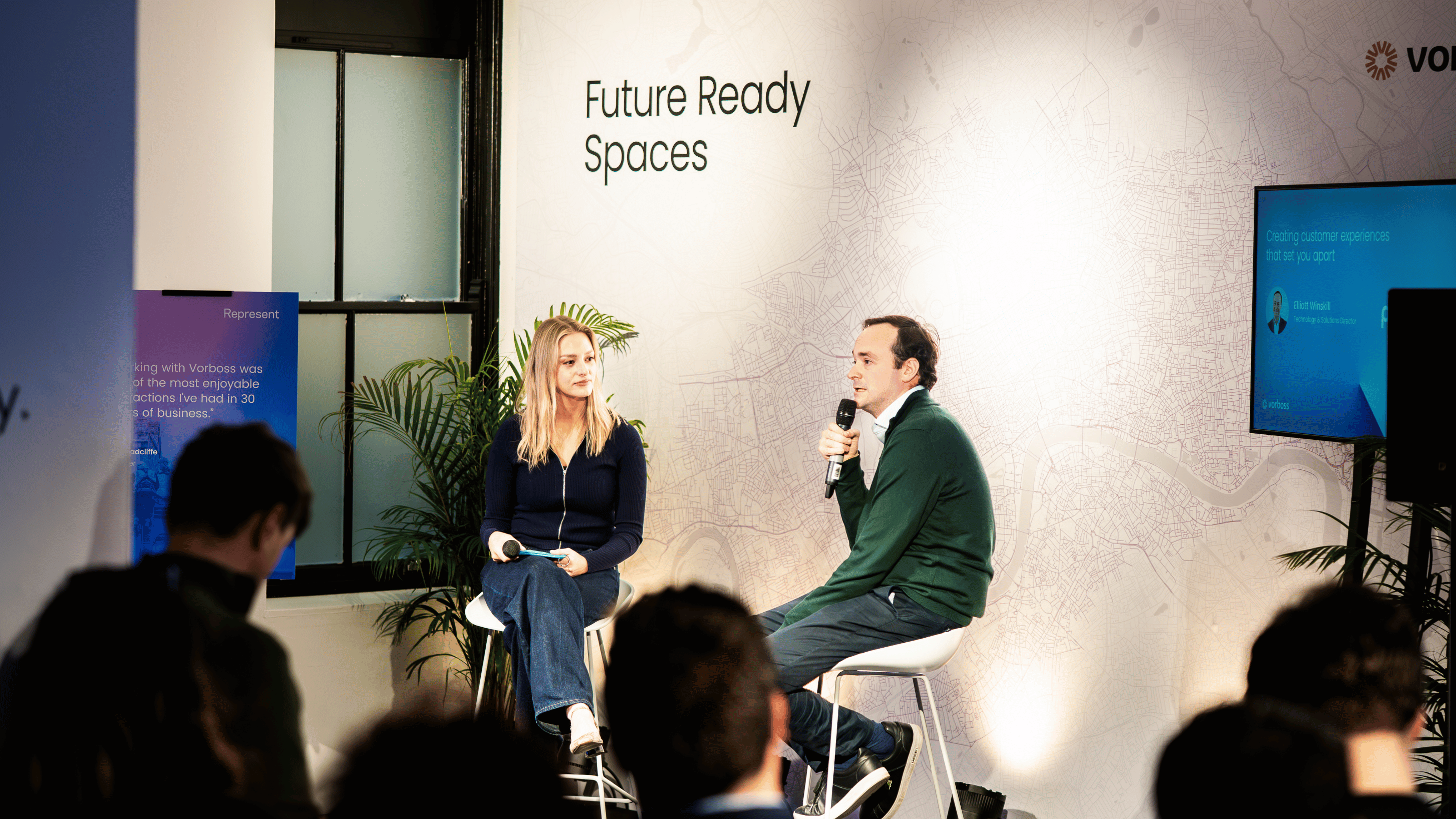
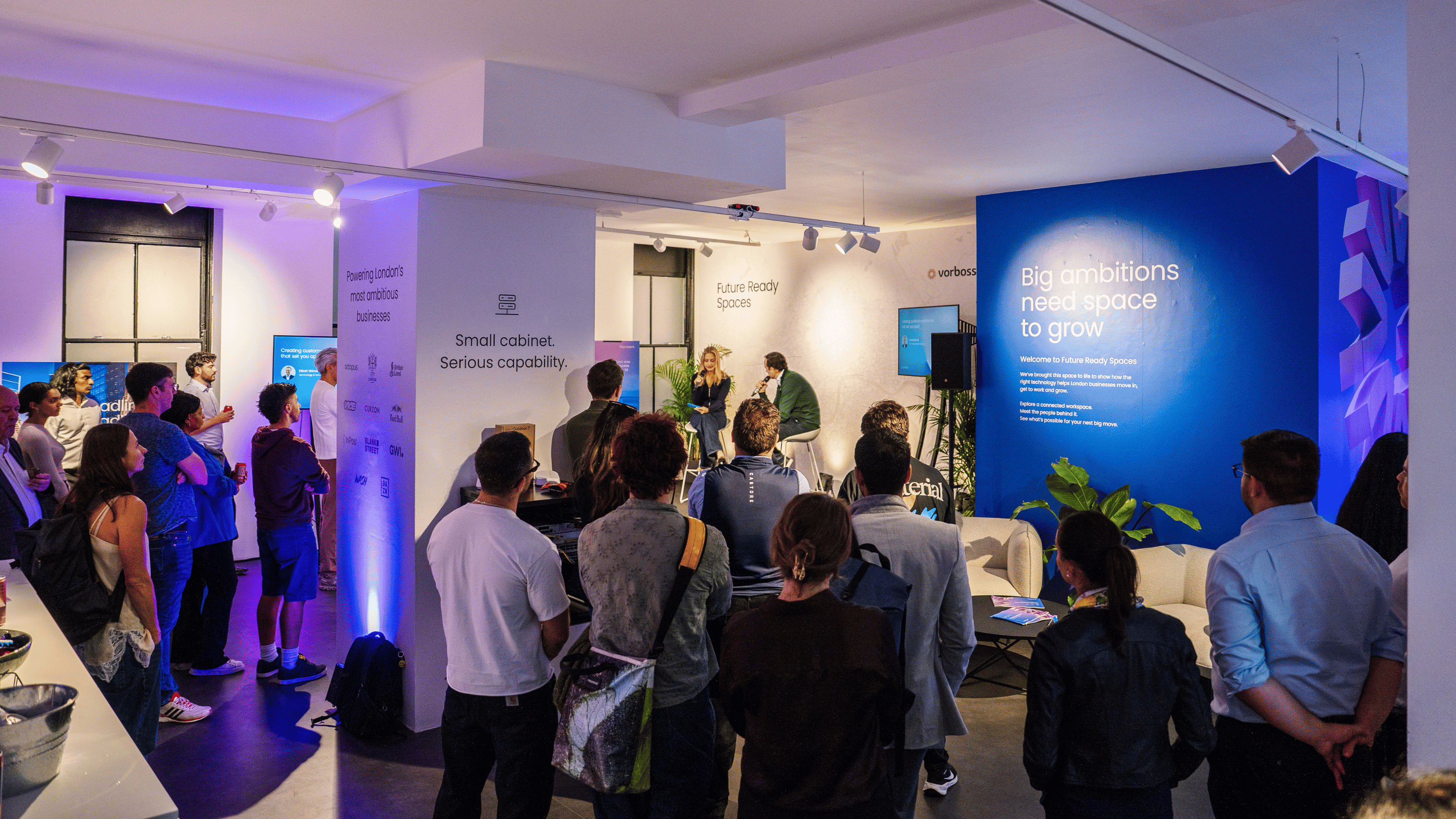
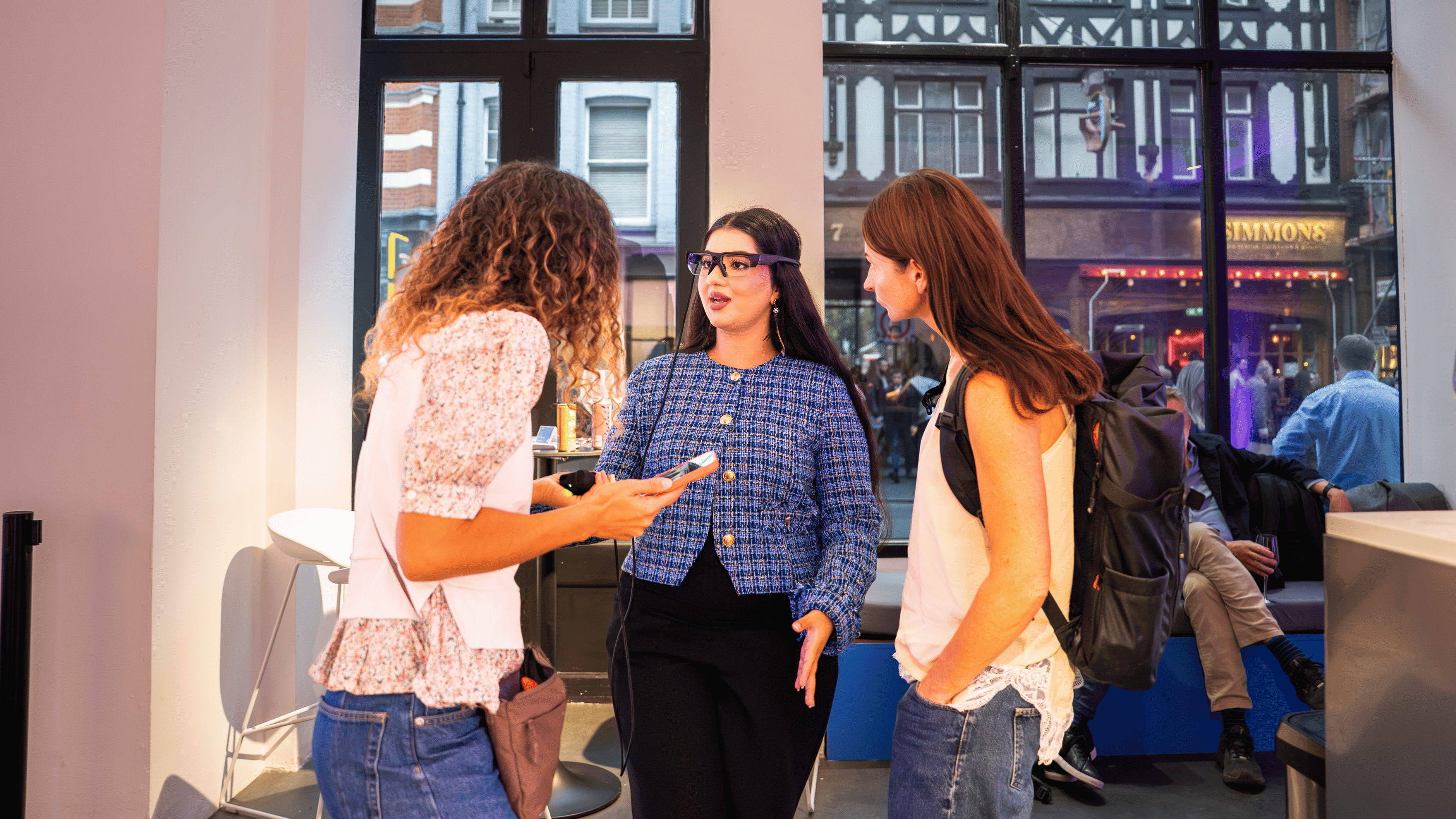
At our Future Ready Spaces panel, Margaret Wajnkaim, Content Marketing Manager at Vorboss, sat down with Elliott Winskill, Director of Technology Solutions at PMC, to explore how London's retail and hospitality businesses can deliver an exceptional experiences that build trust and loyalty.
Here's how their conversation went.
What's changed in what customers expect today compared with a few years ago?
Customers no longer think in channels. They expect brands to recognise them and know their history, wherever they interact.
Services like click & collect, live stock availability and hotels remembering guest preferences once set brands apart. Today, they're basic expectations.
Where have businesses fallen behind?
Many businesses have invested in customer-facing technology, but the systems behind it haven't kept pace.
"Customers never see your technology. They feel the inconsistencies in their experience."
says Elliott.
When stock, order and customer data aren't connected, it creates confusion, delays and a negative interaction with your brand. And with customers having less patience than ever, a frustrating encounter could be enough to stop them coming back.
How can you create an experience that will keep the customer choosing your brand consistently?
Customer data shouldn't just power marketing. It should give staff the information they need to deliver better service.
As Elliott explained,
“By empowering your people with live data, you’re giving them the tools to solve problems in real time.”
Imagine a customer returning an online purchase in store without a receipt. With access to connected data, staff can instantly find the order, process a refund and arrange a replacement.
No marketing campaign involved, just a great experience that builds trust and gives customers a reason to return.
How can businesses tell when to use AI and when customers need the human touch?
"Automate the routine, humanise the exception,"
says Elliott.
The key is understanding where customers experience friction. Follow their journey and identify where purchases are abandoned, payments fail or complaints build up.
Use AI and self-service technology to make simple tasks faster and easier, but keep human support within easy reach.
Where should businesses start when looking to improve customer experience?
It's simpler than businesses might think, says Elliott. You don't need to replace every system or invest in lots of new technology. Start by making sure your existing systems work together, with accurate, up-to-date information flowing between them.
Then pick one customer journey that needs improving, fix it, measure the impact and build from there. The same goes for AI. Without reliable, connected data behind it, even the smartest technology can only do so much.
Future Ready Spaces
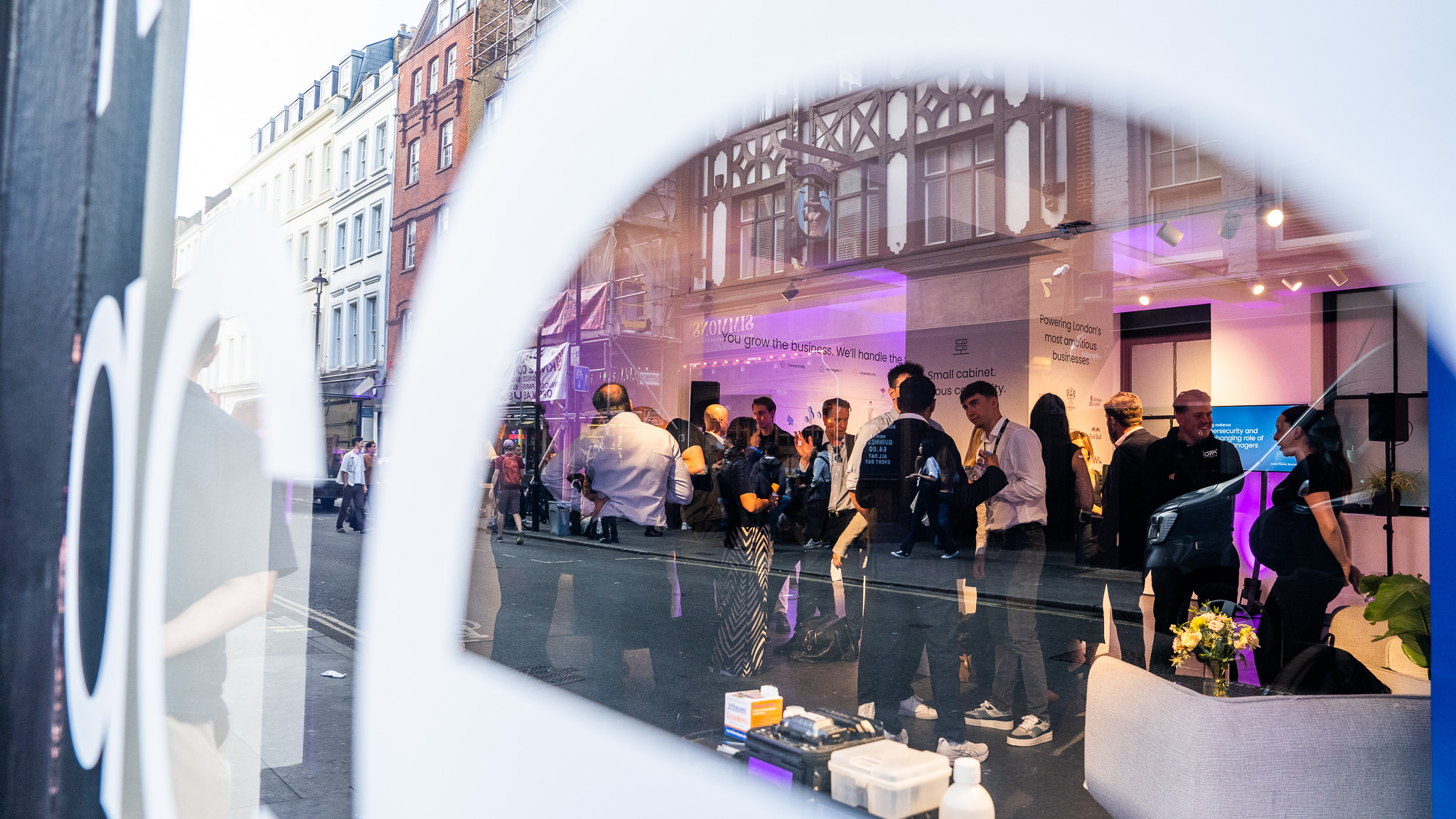
A big thank you to everyone who joined us at Future Ready Spaces! It's been a brilliant two weeks of conversations exploring how technology can drive growth and support businesses across London.
Building management systems, Wi-Fi, access control and CCTV are all standard technology in commercial buildings today.
But smarter technology doesn't mean it's safer.
So, as building systems advance and cybersecurity regulation raises expectations, how can commercial real estate developers and operators stay ahead of it all?
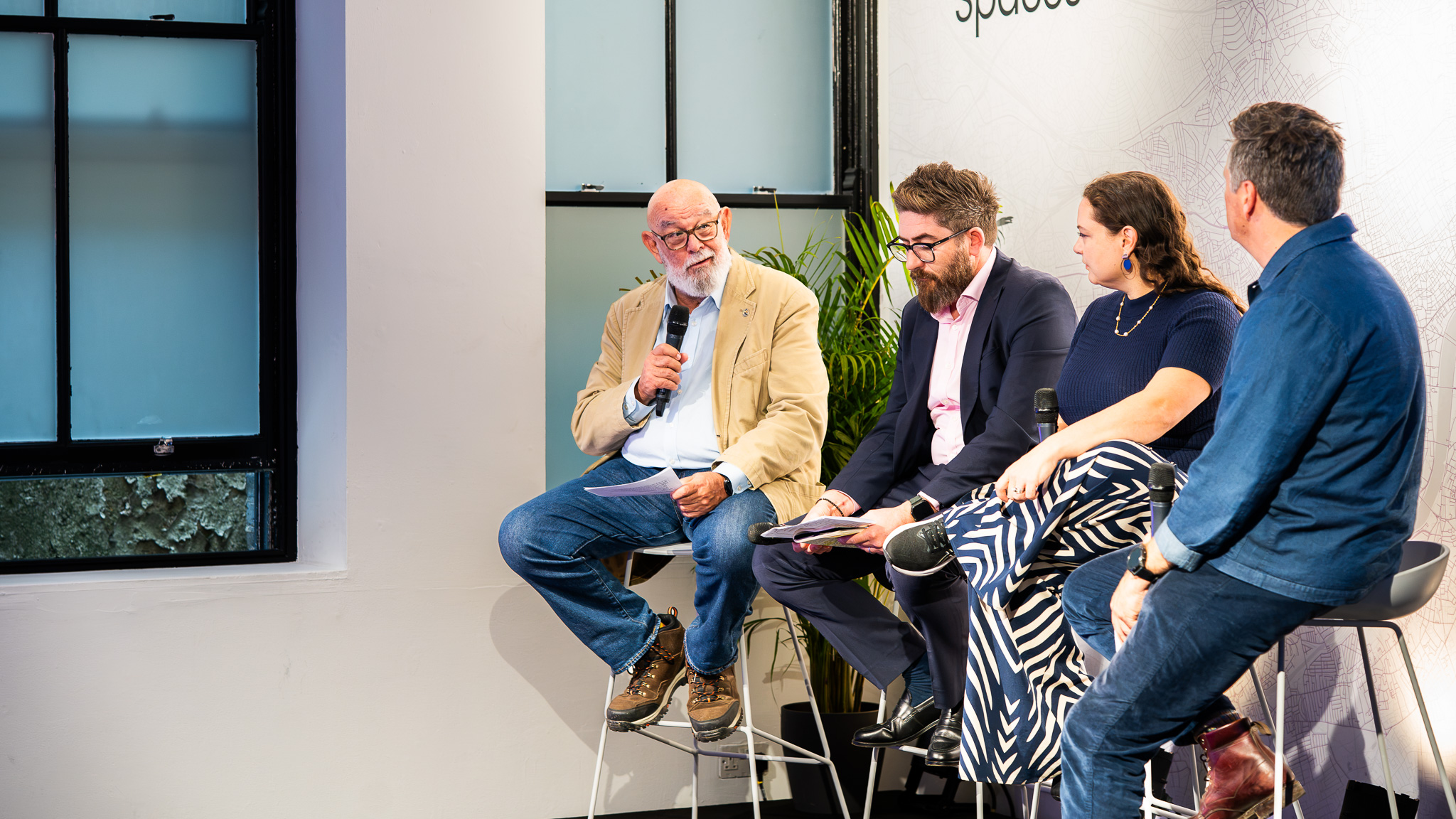
We hosted a cybersecurity panel to explore just that, featuring Bruce Braes, Head of Security Consultancy at Buro Happold, Sophie Hatch, Senior Estates Manager at Knight Frank Promise and Ian Kilvington, Principal Business Development Manager, Willmott Dixon.
Here's what we discussed.
From compliance to proposition
It's important to understand how cybersecurity regulation is changing. The Cyber Security and Resilience Bill will expand the UK’s existing cyber regulation to cover more of the digital services businesses rely on, including the digital infrastructure behind the spaces they operate from.
Not every commercial building will fall directly within scope, but landlords shouldn't wait for regulation to reach them before thinking about resilience. Tenants are already under growing pressure from customers, investors and regulators to demonstrate that they are secure. Increasingly, the building they occupy forms part of that picture.
Ian Kilvington made an interesting observation about where this is heading:
“Compliance won’t be a tenant issue, it’ll be a proposition to tenants.”
Cyber resilience will be key in creating building value, and it will truly differentiate your asset against the competition.
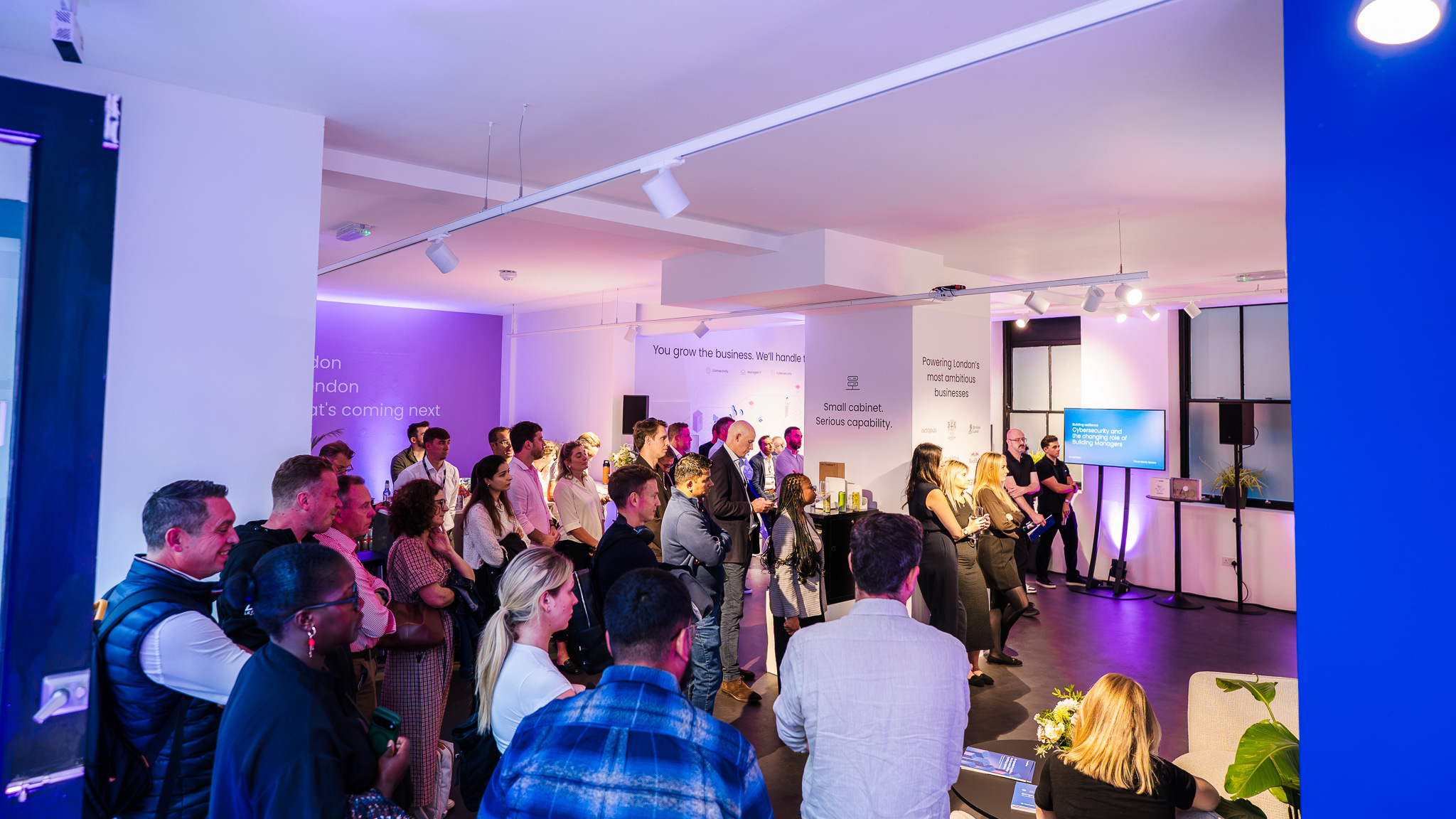
How your role as a building manager is changing
Tenants can’t run their businesses without a fully functional building, from internet connectivity and temperature controls to secure access. If even one of these systems stops working, the building could become inaccessible, critical equipment such as servers could be compromised and occupier operations could even come to a halt.
That's why tenants need confidence that your building's digital systems are protected. A truly cyber-resilient building is one where it’s clear who is responsible for managing each system, and there’s a plan to recover quickly if something goes wrong.
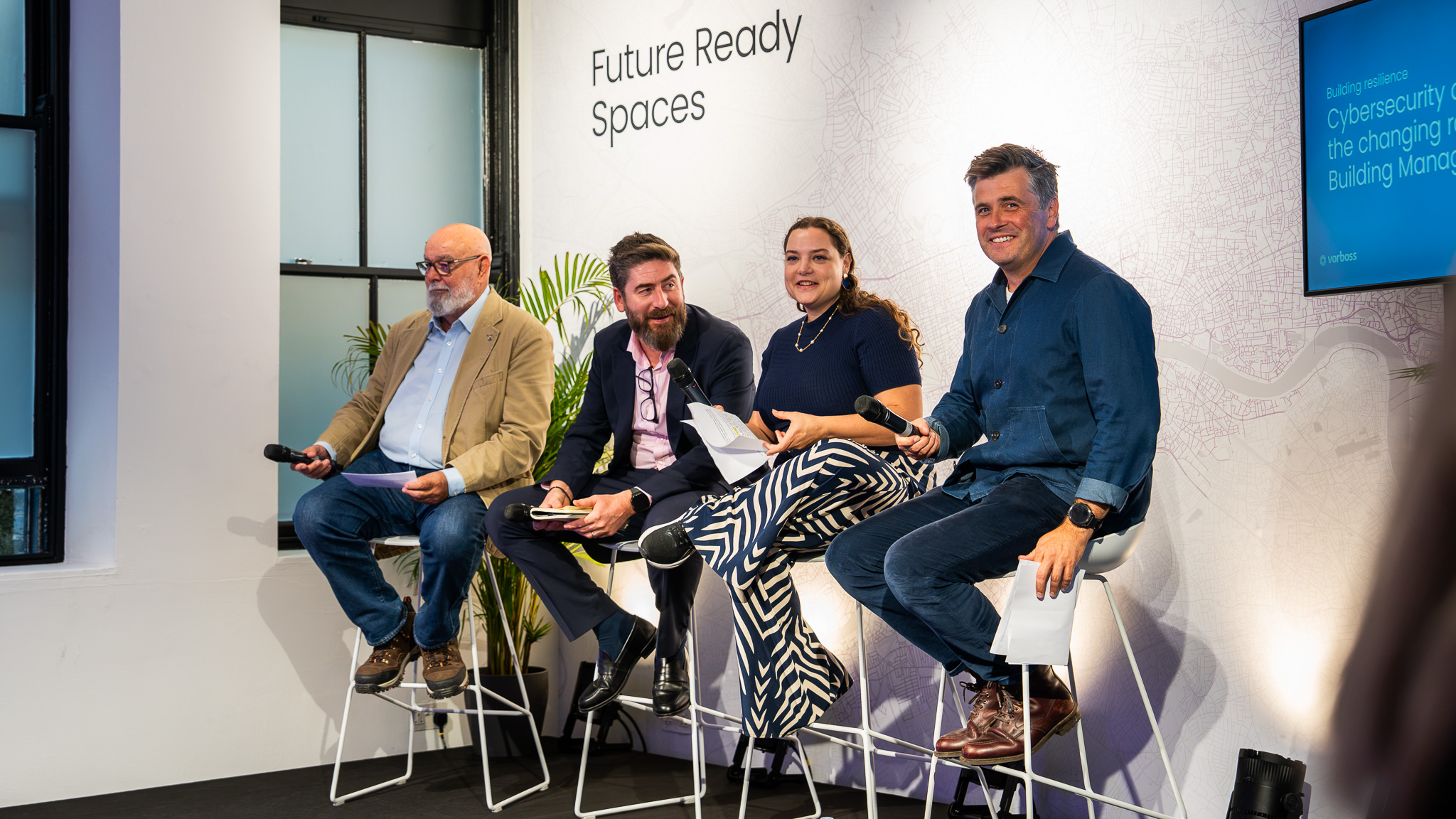
Cyber resilience: where do you start?
When asked where operators should start, Bruce Braes said:
“You can’t protect what you don’t know you have.”
As a landlord, you may have a clear view of the major systems you operate, but what about older technology, third-party suppliers, connected devices or systems installed later on?
Understanding what is connected, who can access it and who is responsible for keeping it updated is a fundamental part of keeping any building secure.
How do you prove to tenants that your building is resilient?
We're glad you asked. Our guide to secure and resilient building systems for landlords and operators covers the questions occupiers may ask, how to answer them, and the practical steps you can take to strengthen resilience across your estate.
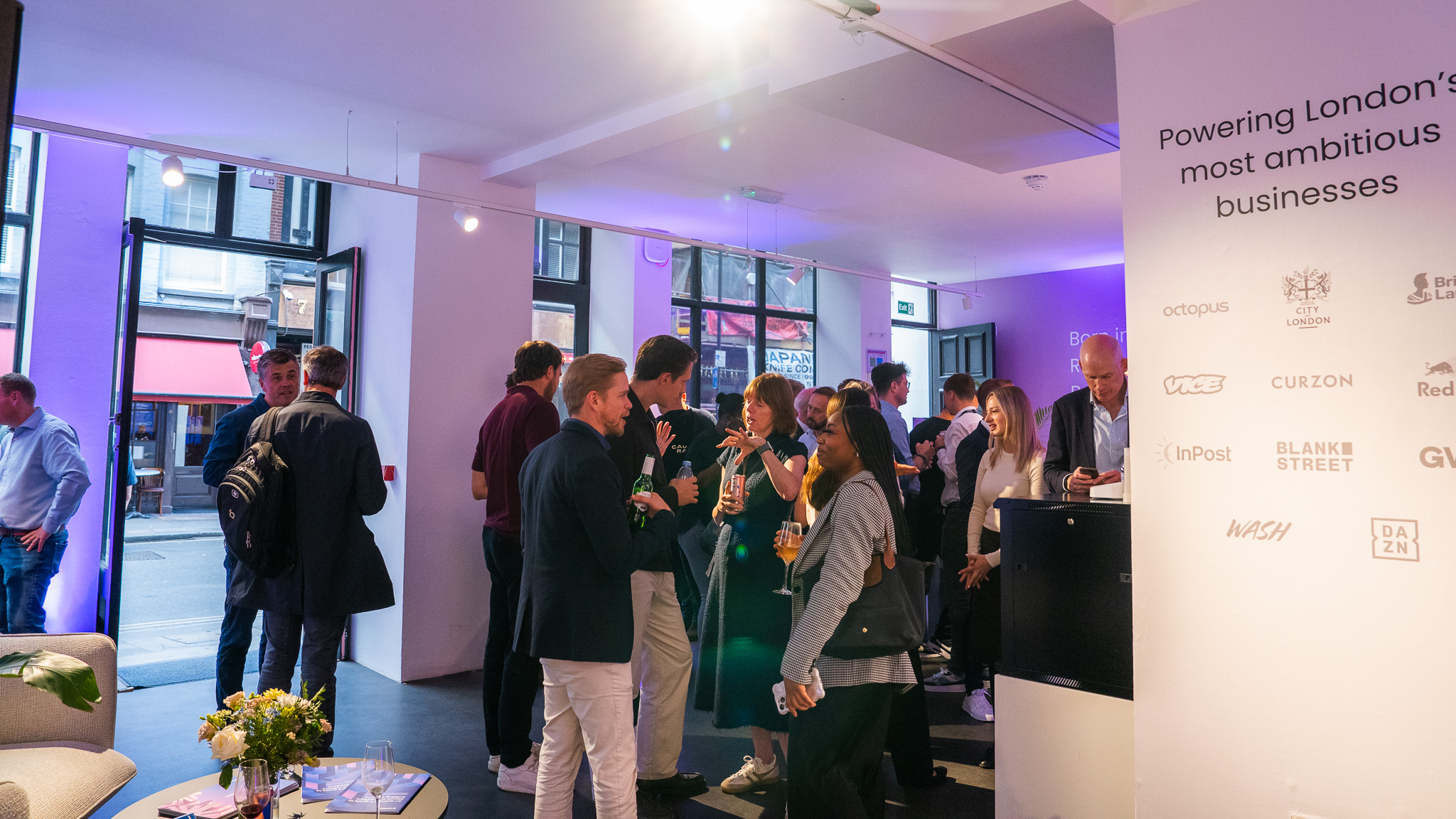
Security improves the tenant experience
For Sophie Hatch, the conversation was not simply about reducing risk. It was also about the change in attitude and culture.
"Learning about cybersecurity can be daunting for anyone, but the buildings that will be picked over and over will be those that can adopt new technology in a way that genuinely improves the tenant experience, without creating unnecessary complexity or exposure."
Cybersecurity cannot sit separately from conversations about smart buildings, digital infrastructure or tenant experience. It needs to be considered from the beginning.
A safer building is one where tenants can operate more efficiently, enhancing not only their own experience but also that of their end customers. It's becoming part of what tenants expect from a well-managed, modern building.
Latest from the press room

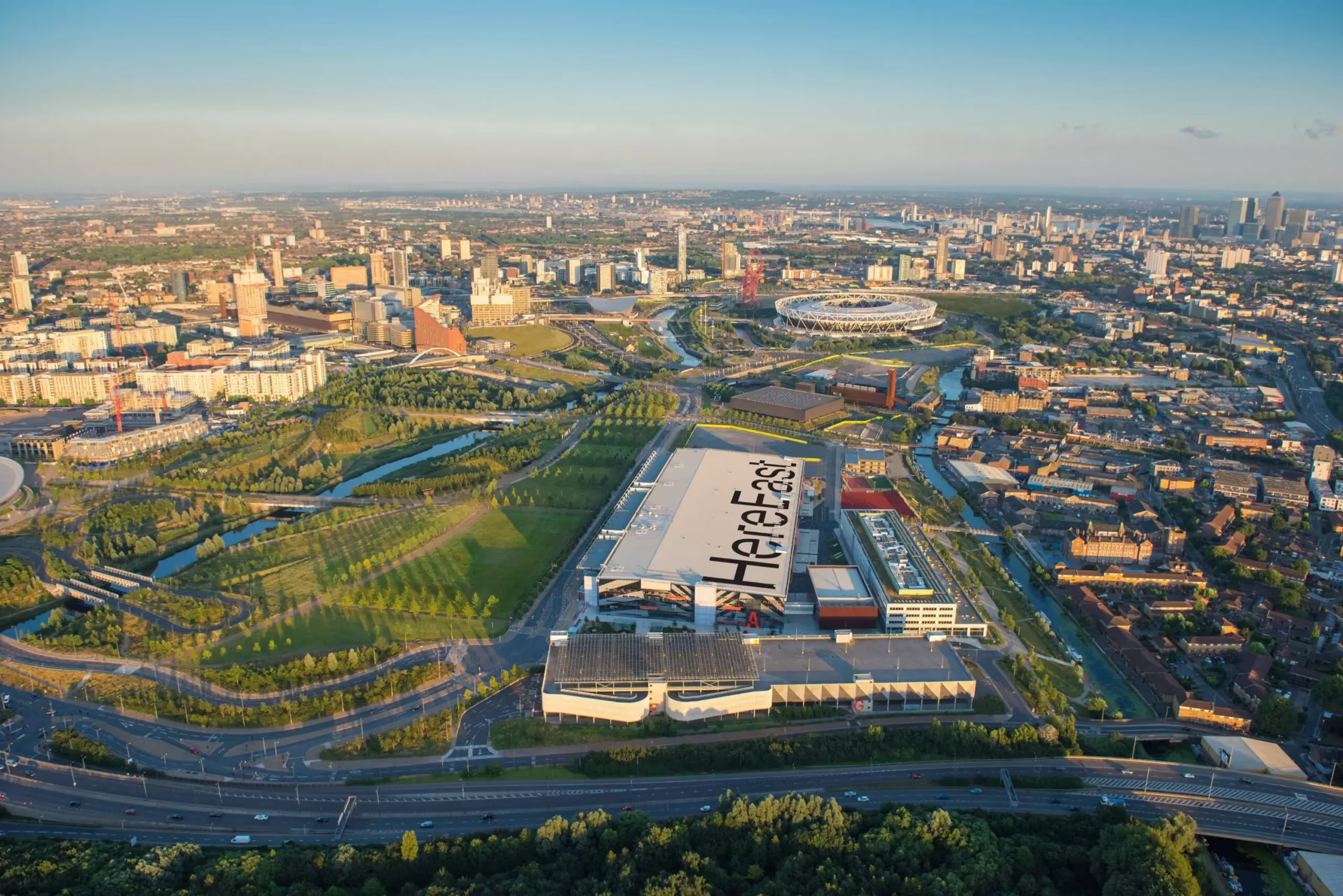
LONDON, UK: 15 September 2026 – Here East, the multi-award-winning hub for innovation and creativity, today announces a strategic partnership with Vorboss to deliver dedicated 400Gbps fibre connectivity across its campus.
With demand for ultrafast, enterprise-grade connectivity accelerating, the investment will elevate the campus’s digital backbone to world-class standards, enabling organisations to innovate without limits and scale at speed.
The partnership comes as Here East cements its position as one of Europe’s most ambitious and globally competitive innovation ecosystems, with rapid growth in world-leading organisations spanning AI, advanced content production and emerging technologies.
The announcement lands at a defining moment for London’s innovation economy. In 2026 alone, the capital attracted $12.6bn in tech investment - the third highest of any city globally and the highest in Europe - while producing 12 new unicorns, more than any other European city.
Vorboss will install a core network node at Here East. Unlike a standard fibre connection, where traffic is carried back to a provider's data centre or telephone exchange, a Vorboss node means internet connectivity effectively originates from within the campus itself. This delivers dedicated 400Gbps fibre connectivity, exceptional speed, low latency, resilience and performance at a scale rarely available in urban campuses.
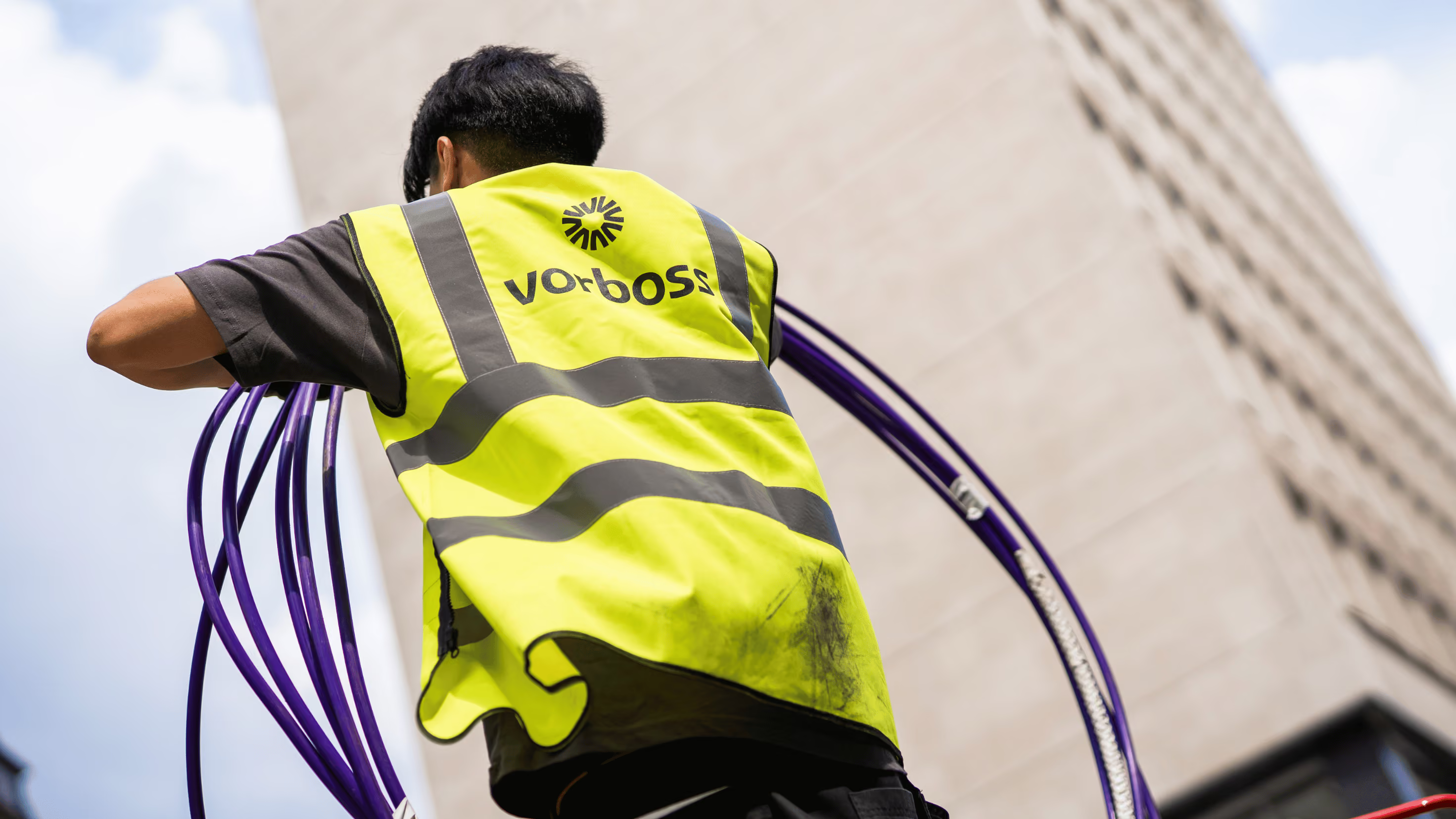
The upgrade significantly enhances Here East’s ability to support organisations operating at the frontier of innovation, from high-growth start-ups to global industry leaders. Unlike traditional providers, Vorboss owns and operates its network end-to-end, ensuring unmatched control, accountability and consistently high performance.
Located in the Queen Elizabeth Olympic Park, Here East is home to a unique concentration of pioneering institutions, global brands and creative leaders, including V&A East Storehouse, Sports Interactive, Ford Mobility, Hawk London and six global universities. More than 7,000 people collaborate, experiment and build the future on site each day, making it one of the most vibrant and influential innovation and creative communities in Europe.
By integrating Vorboss’s cutting-edge fibre network, which was built to power London’s data-hungry businesses, Here East is setting a new benchmark for connected campuses, ensuring its community can handle exponential data growth, accelerate innovation cycles and unlock entirely new frontiers of opportunity.
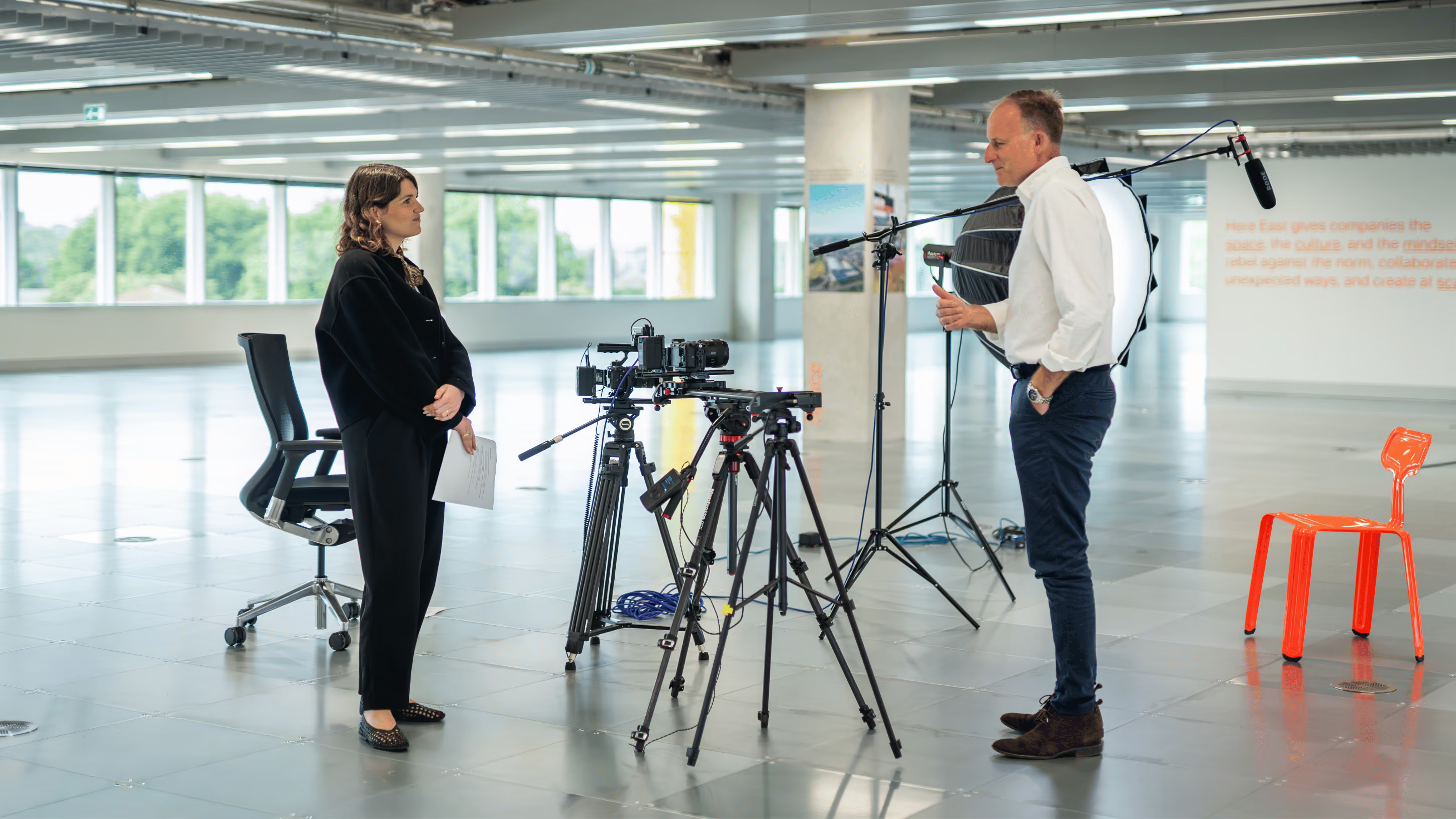
Gavin Poole, CEO of Here East, commented:
“Businesses working at the forefront of AI, data and content creation need infrastructure that can match their ambition and pace of change.
Here East was created to bring together the industries shaping the future - from advanced technology to the creative sector - in a single, collaborative environment. Delivering on that vision means providing not just exceptional space, but infrastructure of a truly global standard.
Our partnership with Vorboss ensures that as our ecosystem continues to grow, it is supported by the speed, scale and resilience required to lead on the world stage.”
Rhod Morgan, Co-CEO at Vorboss, added:
“Here East is exactly the kind of place our network was built for: ambitious, data-hungry organisations that need infrastructure that keeps pace with their growth.
Connecting the campus with 400Gbps means we’re bringing high-capacity infrastructure directly to one of London’s most important innovation hubs. With dedicated capacity, Here East’s tenants get the speed, resilience and headroom they need to scale without being held back by connectivity.”
ENDS
Notes to editors
About Here East
Here East is London’s multi-award-winning campus, home to more than 7,000 people working and studying on site to create at scale: from global technology companies and start-ups, to major academic institutions and pioneers in the creative industries.
Designed for cultural institutions and businesses that want the freedom to experiment, collaborate, and grow, the 1.2 million sq ft campus offers a spectrum of spaces, from creative offices to expansive warehouse studios.
The ecosystem is home to over 30 organisations, including Plexal, the innovation centre and co-working space; Sports Interactive; FORD, Human Centred Design Complex; Studio Wayne McGregor; and The Trampery on the Gantry, which provides low-cost studios for creative businesses and artists. Five of the UK’s leading universities are also based on campus, including UCL and Loughborough University London, along with major cultural institutions including the V&A East Storehouse.
Built within the former Olympic Press and Broadcast Centre, Here East is owned by clients of Delancey, a specialist real estate investment advisory company. It has been recognised by the International Olympic Committee as one of the most successful post-Olympic regeneration projects in the world.
About Vorboss
Vorboss owns and operates London’s leading dedicated business fibre network, built from the ground up for the city’s most demanding organisations. Its high-performance infrastructure delivers the speed and resilience needed by businesses working with AI, advanced content production and data-intensive technologies.
Vorboss also provides IT and Cybersecurity support and services giving businesses greater control over the technology they rely on, backed by one expert team, one number to call, and support from people who take it personally.
Media contact
For press inquiries, interviews, or further information, please contact:
● Email: press@hereeast.com
● Website: www.hereeast.com/press